The global touch screen LCD market is at a crossroads. While demand for interactive displays continues to rise across industries, emerging technologies like AMOLED and shifting consumer preferences are reshaping the competitive landscape. From smartphones to automotive interfaces, touch screen LCDs remain integral, but their future hinges on innovation, cost efficiency, and adaptability. This article analyzes the forces driving—or hindering—market growth from 2024 to 2029, drawing insights from industry reports, technological advancements, and market trends.
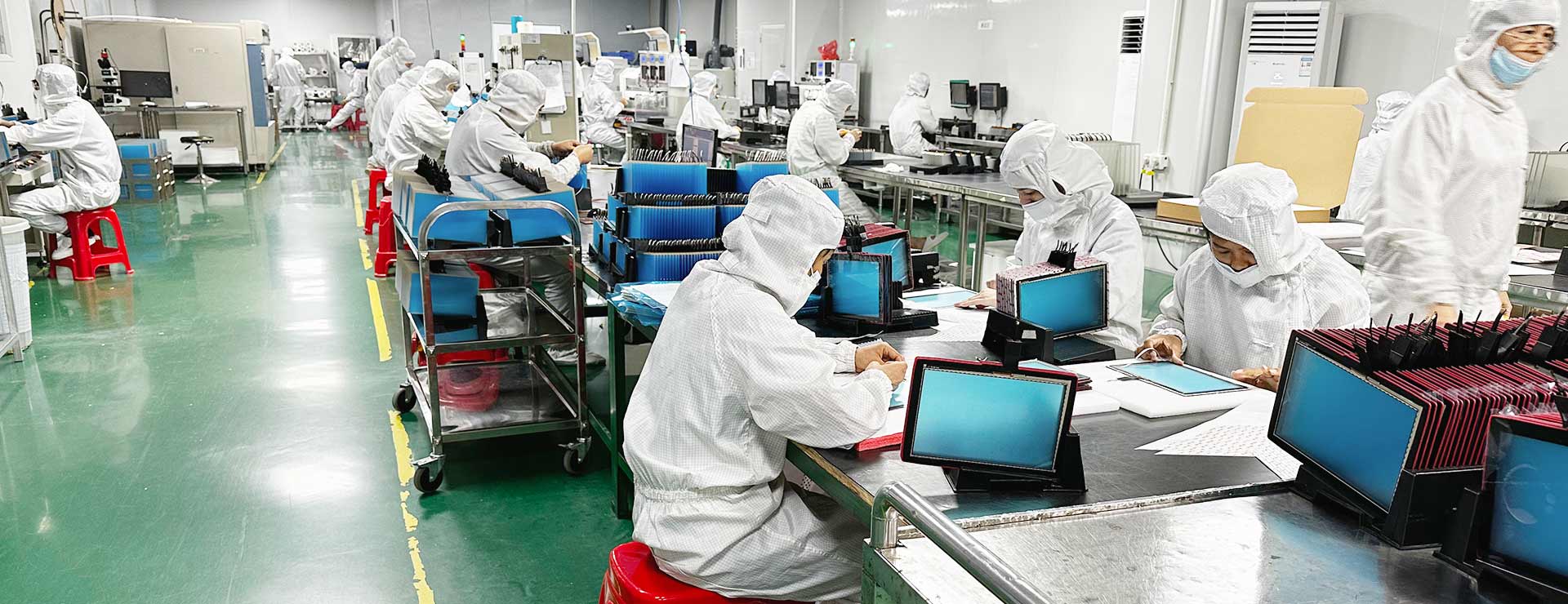
Despite competition from AMOLED displays, touch screen LCDs are evolving through advancements like OnCell and InCell technologies. These innovations integrate touch sensors directly into the display layers, reducing thickness and improving responsiveness. For instance, Leibao High-Tech highlighted the role of InCell technology in enhancing laptop touch screens, enabling slimmer designs without compromising durability. Such developments are critical for retaining market share in devices prioritizing affordability and functionality.
The integration of AI into LCD manufacturing processes further refines quality control and design optimization. AI-driven simulations can predict user interaction patterns, allowing manufacturers to tailor touch sensitivity for specific applications, such as gaming or industrial use. Additionally, hardcoat films—used to protect LCD screens from scratches and smudges—are becoming more sophisticated, with materials like PET and polycarbonate enhancing durability while maintaining optical clarity.
Innovation in layer integration (e.g., InCell) is reducing production costs and improving user experience.
AI and protective films are addressing historical weaknesses of LCDs, such as susceptibility to damage.
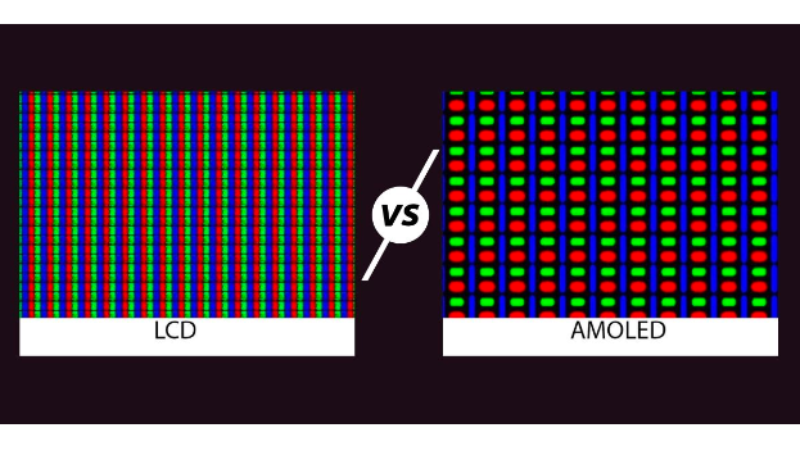
AMOLED displays are steadily overtaking LCDs in smartphones, with Omdia predicting AMOLED shipments will surpass TFT LCDs in 2024. However, LCDs retain dominance in budget devices and larger screens. For example, while Apple leads the premium smartphone segment with AMOLED, brands like Xiaomi and Transsion continue leveraging LCDs for cost-effective models targeting emerging markets.
The cost disparity remains a key factor. AMOLED production involves complex organic materials, making it 20–30% more expensive than LCDs. This gap ensures LCDs stay relevant in tablets, laptops, and automotive dashboards, where screen size and affordability outweigh the need for perfect blacks or ultra-thin designs.
Cost efficiency ensures LCD dominance in mid-range devices and large-format applications.
Emerging markets prioritize affordability, sustaining demand for LCDs despite AMOLED’s rise.
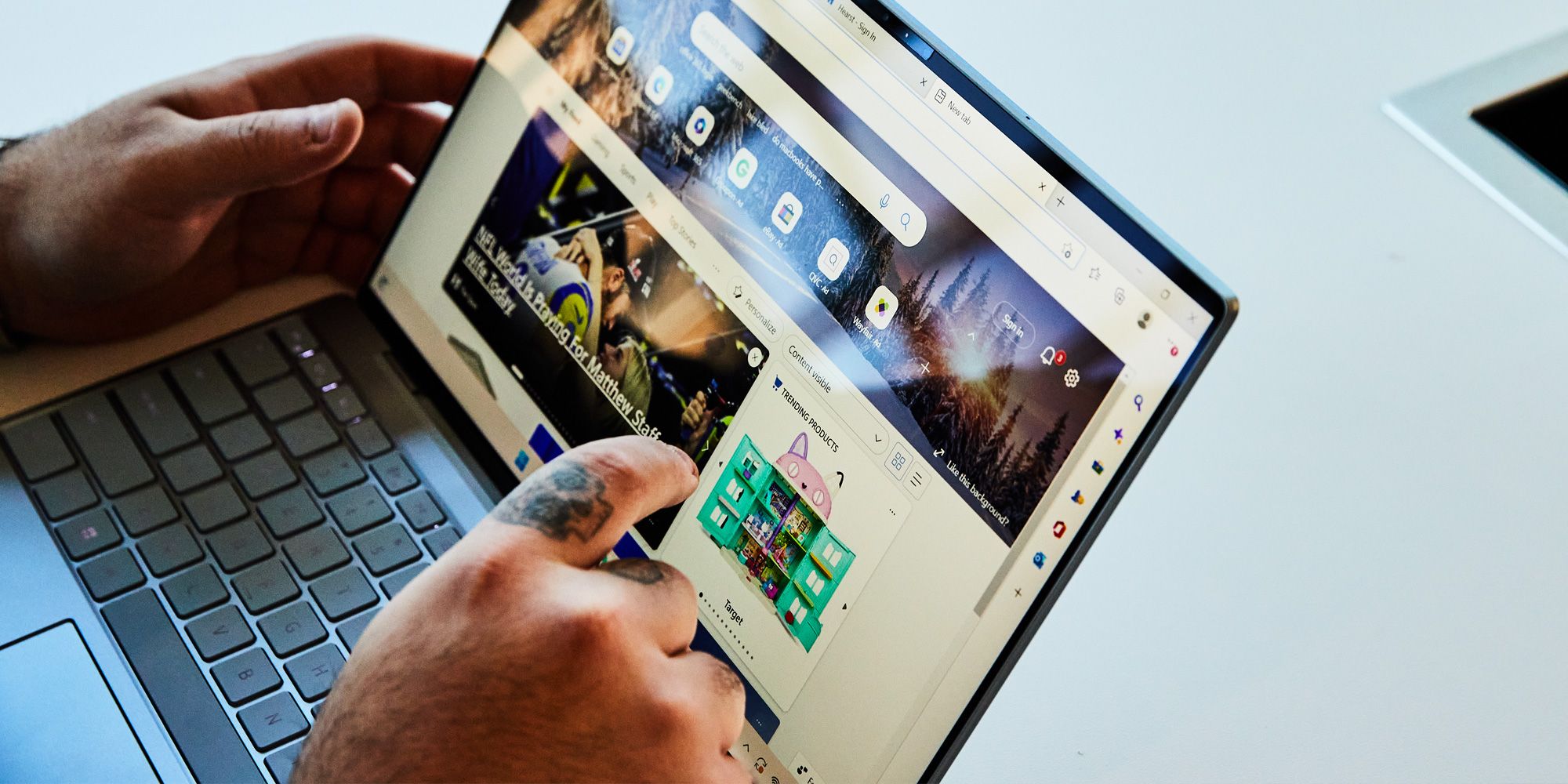
Beyond consumer electronics, touch screen LCDs are gaining traction in automotive, healthcare, and retail sectors. For instance, interactive kiosks and medical diagnostic tools increasingly adopt LCDs due to their reliability in varied lighting conditions. Leibao High-Tech’s focus on laptops also underscores demand in hybrid work environments, where touch-enabled devices enhance productivity 7.
The education sector presents another growth avenue. Tablets and interactive whiteboards using LCDs are replacing traditional tools, driven by digitization trends. Meanwhile, industrial applications—such as control panels for machinery—rely on LCDs for their balance of durability and cost 3.
Diversification into non-consumer sectors (e.g., automotive, healthcare) is offsetting smartphone market saturation.
Hybrid work and education trends are fueling demand for touch-enabled laptops and tablets.

Supply chain disruptions and raw material shortages pose significant risks. For example, geopolitical tensions and pandemic-related factory closures have intermittently strained LCD panel production. Additionally, environmental regulations targeting hazardous materials used in LCD manufacturing could increase compliance costs 37.
Consumer preference for premium displays also pressures manufacturers. While AMOLED adoption grows, LCD producers must invest in R&D to narrow the performance gap. Brands like Samsung are already shifting focus, which could marginalize smaller LCD suppliers 910.
Supply chain instability and regulatory hurdles threaten production scalability.
R&D investment gaps risk leaving smaller manufacturers behind.
The touch screen LCD market’s trajectory from 2024 to 2029 will depend on balancing innovation with cost efficiency. While AMOLED dominates premium segments, LCDs thrive in affordability-driven markets and emerging applications like automotive and healthcare. However, challenges like supply chain vulnerabilities and environmental policies require strategic mitigation. Missing data on regional adoption patterns and recycling practices highlights the need for deeper market analysis to fully predict growth opportunities.

