Ever tried using your smartphone with wet fingers at a construction site? Yeah, that's child's play compared to what modern touch sensors endure daily. Let's dive into gritty world of touch sensors that face extreme temperatures, chemical baths, and constant pounding - and discover which technologies come out on top.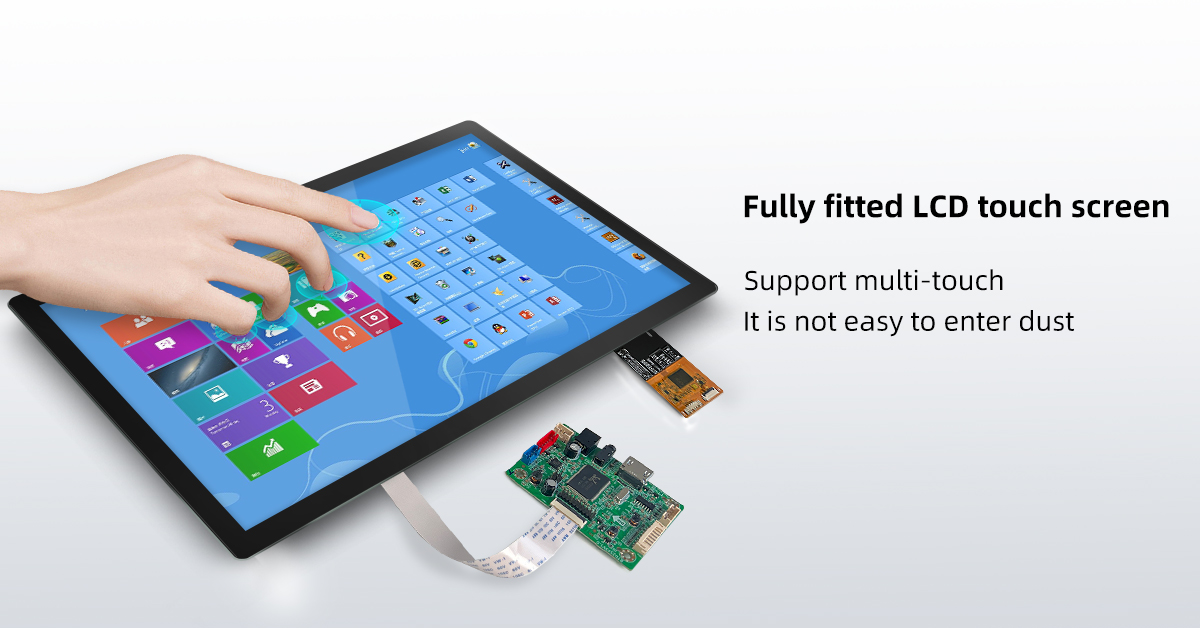
The "tank" of touch tech: Two flexible layers that register touch through pressure. Not fancy but tough as nails.
Your smartphone's BFF: Uses electrical fields to detect touch. Great for precision, but a bit of a diva in harsh conditions.
The "invisible" tech: Uses sound waves across glass. Perfect until… well, let's talk about dust later.
The force field approach: Crisscrossing light beams detect interruptions. Surprisingly robust, but has some Achilles' heels
Imagine touchscreens that survive welding sparks, hydraulic fluid showers, and -20°C freezer rooms. That's daily life in.
From ATM kiosks in Dubai's 50°C heat to subway ticket machines in Canadian winters, these screens eat blizzards and sandstorms for breakfast.

Continuous pokes from gloved fingers wear down resistive sensors faster than a kid's tablet. Meanwhile, forklift vibrations turn unsecured sensors into modern art.
Construction: Like a sandwich - two conductive layers with air gaps
Weather Test: -40°C? No sweat. Chemical spray? Just it off.
Weakness: That plastic surface scratches easier than a lottery ticket
Pro Tip: Projected capacitive (your phone). surface capacitive (ATM screens) - know the difference!
Survival Hack: Diamond-coated glass makes them construction-site ready
Achilles' Heel: Try using it with welding - not happening
Cool Factor: Pure glass surface = perfect image clarity
Dust Dilemma: One spec of dirt = dead zone. daily spa treatment
Secret Weapon: Self-cleaning coatings that repel grime
Party Trick: Works through 10mm of glass - perfect for bulletproof enclosures
Weatherproof: Sealed units handle monsoons and acid rain
Maintenance Catch: Keep those LED/receiver pairs spotless or face ghost touches
vs. Acrylic Showdown:
Flexible Circuitry: New-based sensors that bend around pipes
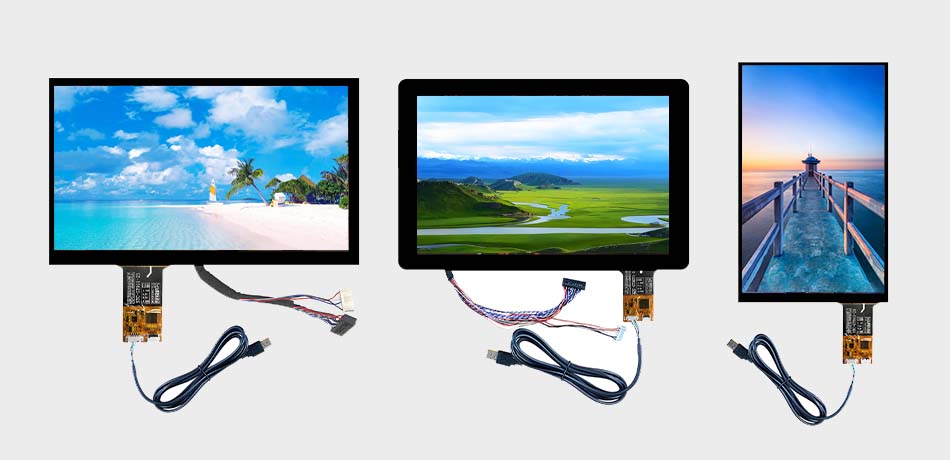
Case Study: Oil rig control panels using heated capacitive screens that work with any glove type
Innovation Alert: Mumbai's monsoon-proof ATMs using pressurised infrared arrays
Breakthrough: Sensors that survive 1000+ autoclave cycles using sapphire substrates
IoT Integration:
Morphing surfaces that adapt to gloves/fingers automatically
Brutal Conditions:
Pro Tip: Hybrid systems are stealing the show - capacitive touch with infrared moisture detection anyone?

