
Industrial display systems refer to specialized screens used in manufacturing, automation, and industrial settings for monitoring, control, and data visualization. Unlike consumer-grade displays, industrial displays are built to withstand harsh environments, including extreme temperatures, dust, vibrations, and moisture. These displays are critical in industrial operations, as they enable real-time data monitoring, improve efficiency, and enhance decision-making in sectors such as manufacturing, transportation, energy, and healthcare.
Over the years, display technologies have advanced significantly, transforming from traditional cathode-ray tube (CRT) displays to modern high-resolution liquid crystal displays (LCD), organic light-emitting diode (OLED), and light-emitting diode (LED) screens. Innovations in interactive touchscreen interfaces, rugged designs, and energy-efficient displays have further expanded their application across various industries.

This article aims to provide an in-depth analysis of the industrial display system market, including its size, share, key players, and technological advancements. It explores market segmentation based on display types, technologies, and regional distribution while highlighting the factors driving and restraining market growth.
The analysis is based on market reports, industry insights, and statistical data from reliable sources, including government publications, company financial reports, and expert interviews. The research also considers trends in industrial automation and emerging display technologies.
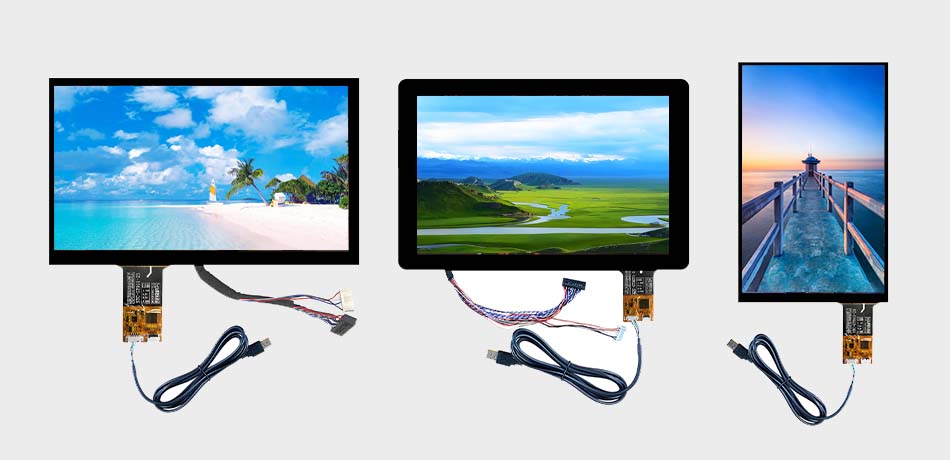
The industrial display system market has witnessed steady growth due to increasing automation across industries. The demand for smart manufacturing, coupled with advancements in IoT (Internet of Things), has propelled the need for high-performance industrial displays. As industries prioritize real-time monitoring and data visualization, the market is expected to expand further in the coming years.
The market is segmented across key regions, including North America, Europe, Asia-Pacific, and the Rest of the World. North America and Europe are mature markets, driven by high investments in industrial automation. Meanwhile, Asia-Pacific is experiencing rapid growth due to the rise of manufacturing hubs in China, India, and Southeast Asia.
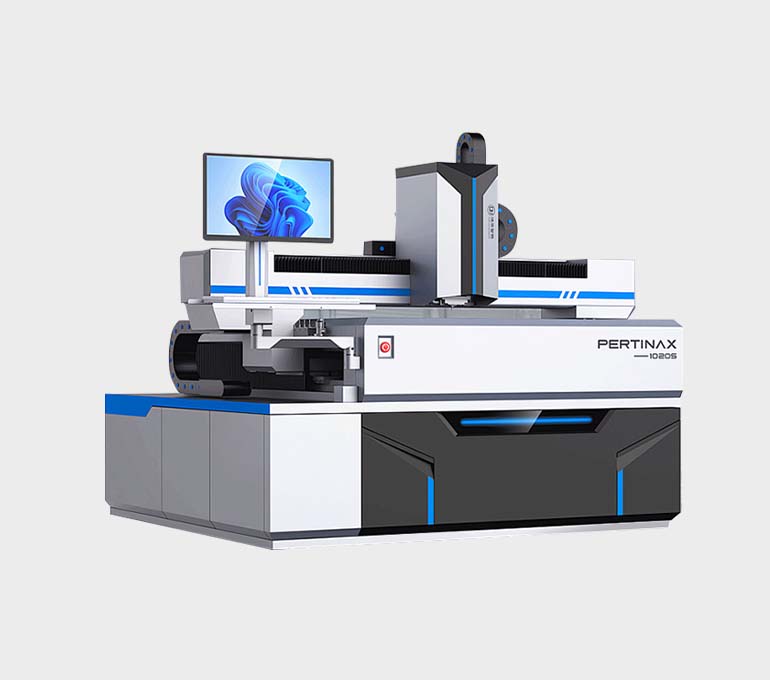
Several leading manufacturers dominate the industrial display system market, including:
These companies invest heavily in research and development to improve display performance, energy efficiency, and durability.
In addition to established players, new companies are entering the market with innovative display technologies, such as flexible OLED screens and AI-driven interactive displays. These disruptors are challenging traditional manufacturers by offering cost-effective and technologically advanced solutions.
LCD screens are widely used in industrial settings due to their durability, energy efficiency, and affordability. They are commonly found in factory control panels, diagnostic equipment, and process monitoring systems.
Despite competition from OLED and LED technologies, LCD remains dominant in the industrial sector due to its reliability and cost-effectiveness. Manufacturers continue to improve LCDs with better resolution and touchscreen capabilities.
OLED displays offer superior contrast, faster response times, and flexibility, making them suitable for modern industrial applications. Unlike LCDs, OLEDs do not require a backlight, reducing power consumption.
While OLED adoption in industries is still growing, sectors such as healthcare and aerospace are increasingly incorporating OLED displays for high-precision applications.
LED displays are known for their brightness, longevity, and energy efficiency. They are widely used in outdoor industrial environments, signage, and control rooms.
Industries such as oil & gas, transportation, and logistics are leveraging LED technology for real-time data visualization, ensuring clear display visibility even in extreme conditions.
Once popular, plasma displays have declined due to their high power consumption and weight. However, they are still used in specific industrial applications where high refresh rates are required.
These displays are valued for their ruggedness and ability to operate in extreme environments, making them ideal for military and aerospace applications.
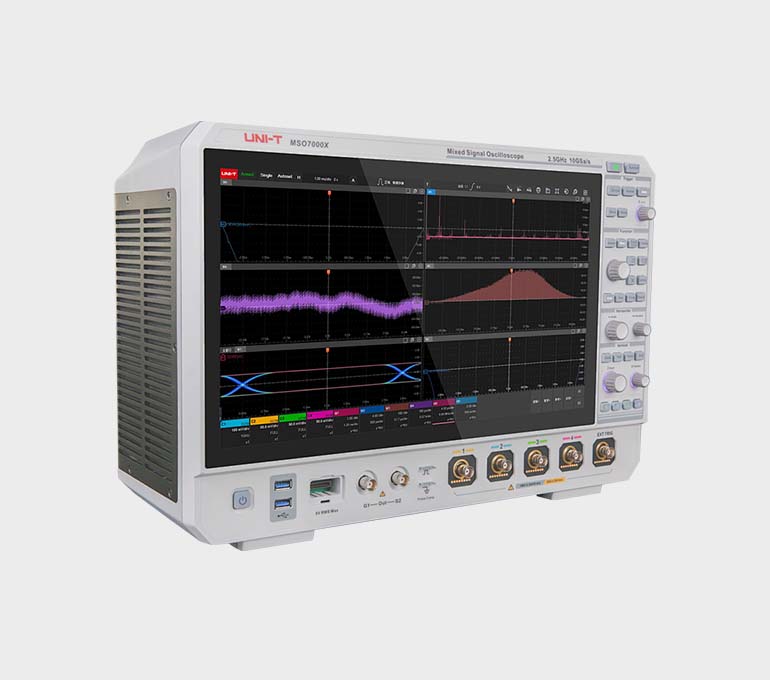
The integration of industrial displays with IoT and smart factory technologies is transforming operations by enabling real-time data access, predictive maintenance, and automation.
With growing sustainability concerns, manufacturers are focusing on energy-efficient displays that reduce power consumption while maintaining high performance.
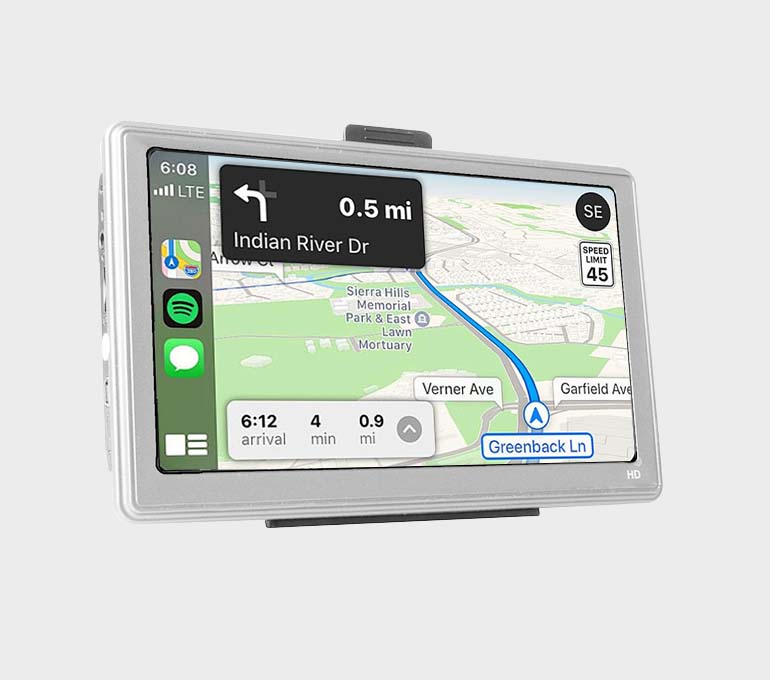
Automated production lines and robotic systems rely heavily on industrial displays for real-time control, diagnostics, and monitoring.
Industrial displays enhance efficiency by providing accurate data visualization, reducing errors, and improving workflow management.
Developing economies are experiencing increased industrialization, driving demand for reliable display systems in manufacturing and infrastructure projects.
Governments and private entities are investing in smart factories and digital transformation, further propelling the industrial display market.
North America is a mature market with strong adoption of advanced display technologies. Key industries, such as automotive and healthcare, drive demand for high-resolution industrial displays.
Europe’s market is influenced by stringent regulations and the increasing need for automation in industrial processes. Germany and the UK lead in industrial display adoption.
Asia-Pacific is the fastest-growing region due to rapid industrialization, particularly in China, India, and Japan. The presence of leading display manufacturers further boosts market expansion.
Emerging markets in South America, the Middle East, and Africa present new growth opportunities, though challenges such as high costs and technical barriers exist.
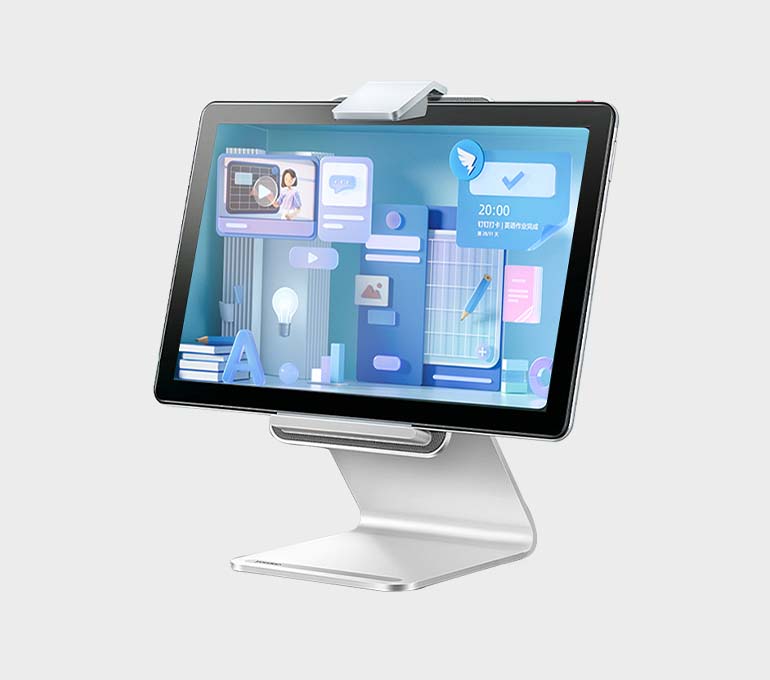
Advancements such as MicroLED and flexible displays are expected to revolutionize industrial applications, offering better durability and efficiency.
Technology companies are forming strategic partnerships to enhance product development, expand market reach, and improve supply chain efficiency.
Governments worldwide are enforcing regulations on energy consumption and sustainability, pushing manufacturers to develop eco-friendly display technologies.
The industrial display system market is witnessing rapid growth, driven by automation, technological advancements, and increasing demand for smart industrial solutions.
Companies should focus on innovation, energy efficiency, and strategic collaborations to stay competitive in the evolving market.
Future research should explore AI-integrated displays, 5G-enabled display systems, and sustainable manufacturing practices to enhance industrial display technology further.

