
The elevator panel—once a simple grid of mechanical buttons—has undergone a radical transformation. What began as a utilitarian tool for selecting floors now integrates artificial intelligence, biometric authentication, and predictive algorithms. This shift raises critical questions about accessibility, security, and the human-machine relationship in shared spaces.
While touch screens dominate contemporary discussions, the evolution of elevator interfaces reveals deeper and technological patterns. Early systems prioritized durability over design, but modern interfaces now balance aesthetics, functionality, and data collection. Missing from most analyses is how these changes impact vulnerable populations or influence building energy.
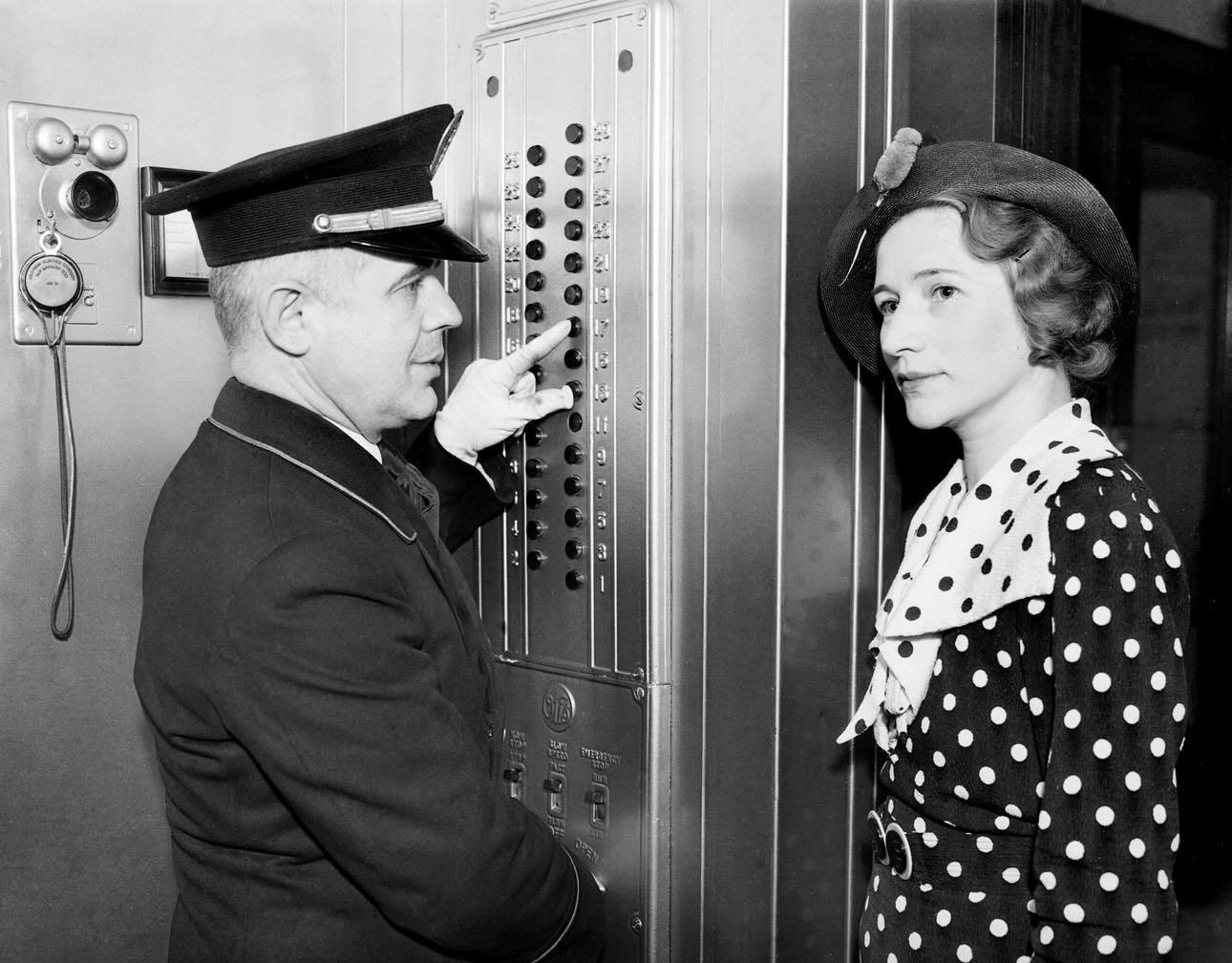
Pre-digital elevator interfaces required physical force operate. The 1910s saw lever-controlled hydraulics where operators manually aligned cars with floors. By the 1930s, push-button panels emerged, though their 3-5 activation pressure excluded children and individuals with motor impairments. These systems had no error correction—a mispress meant waiting until the next stop.
Early button panels used direct-wired circuits without logic boards Pressing "5" physically connected that floor's relay to the motor controller. This simplicity ensured reliability but eliminated customization. Maintenance logs from the period show monthly repairs due to jammed buttons, a problem eliminated with membrane switches in the 1970s.
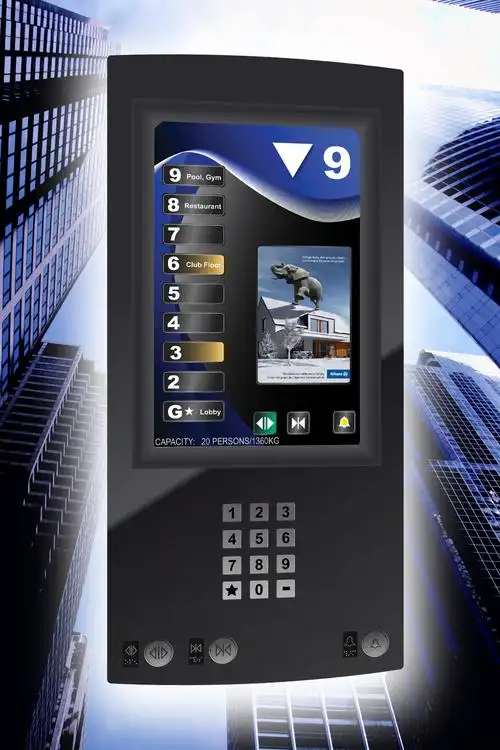
The transition accelerated after 2012 when capacitive touch technology achieved 99.9% in lab tests. Unlike resistive screens requiring pressure, capacitive systems detect finger conductivity—reducing mechanical wear. However, hospital studies found touch screens transmitted 18% more pathogens than antimicrobial buttons, a-off rarely addressed in product literature.
Manufacturers adopted touch interfaces not just for aesthetics but data harvesting. Modern panels track usage patterns, peak traffic times, and even approximate user height through camera integration This information optimizes elevator dispatch algorithms but introduces privacy concerns absent in analog systems.
A 2023 University of Tokyo study revealed troubling disparities: touch screens had a 22% higher input error rate among users over 70 compared to tactile buttons.aptic feedback solutions only partially resolved this, with vibration recognition varying by individual sensitivity. The Americans with Disabilities Act (ADA) still mandates physical buttons in public buildings, creating hybrid interface designs.
Voice integration—present in 34% of new installations—introduces language barriers. Systems trained on North American English dialects struggle with accents, regional vocabulary, and speech disorders. Some manufacturers now implement controls as a supplemental input method, though standardization remains elusive.

While touch screens reduce mechanical repairs, their software dependencies create new vulnerabilities. Cybersecurity audits in 2024 found 41% of internet-connected elevator systems had unpatched vulnerabilities allowing floor override. Firmware updates require specialized technicians, increasing long-term maintenance contracts by 15-20% compared to conventional systems.
Energy consumption patterns shifted unexpectedly. Though LED screens use less power thanandescent button lighting, always-on displays in lobbies account for 8% of some buildings' total energy use. Sleep mode implementations vary widely, with some systems taking up to 90 seconds reactivate—frustrating users accustomed to instant response.
Key Developments

