
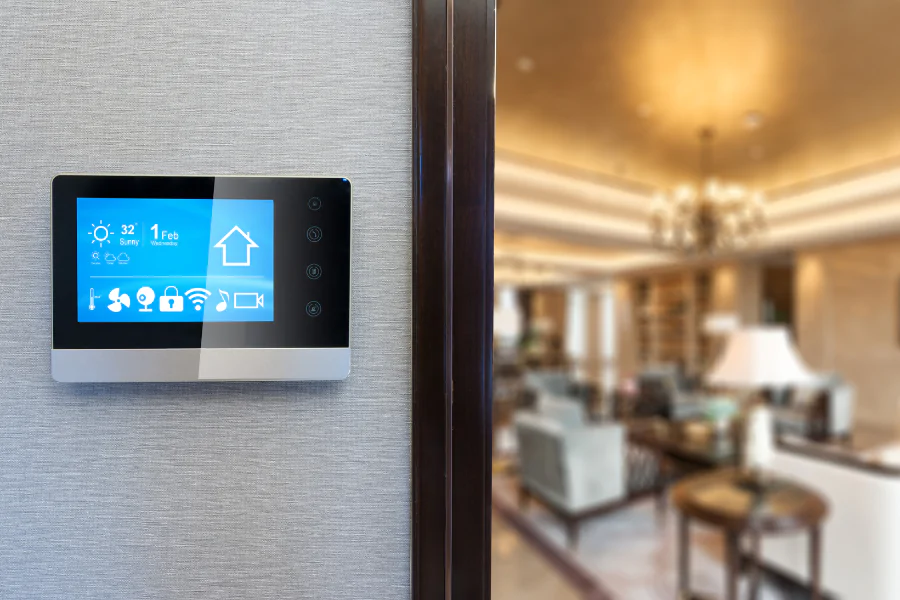
Smart homes have moved from luxury to mainstream. In this transformation, touchscreens have emerged as the central interface, bridging the gap between humans and connected devices. As an engineer, I see touchscreens not just as displays, but as control hubs that define the smart living experience.
Centralized Control
Touchscreen panels allow homeowners to manage multiple systems from a single point—lighting, HVAC, security, and entertainment. Instead of juggling apps on different devices, users get a unified, intuitive interface for their entire home ecosystem.
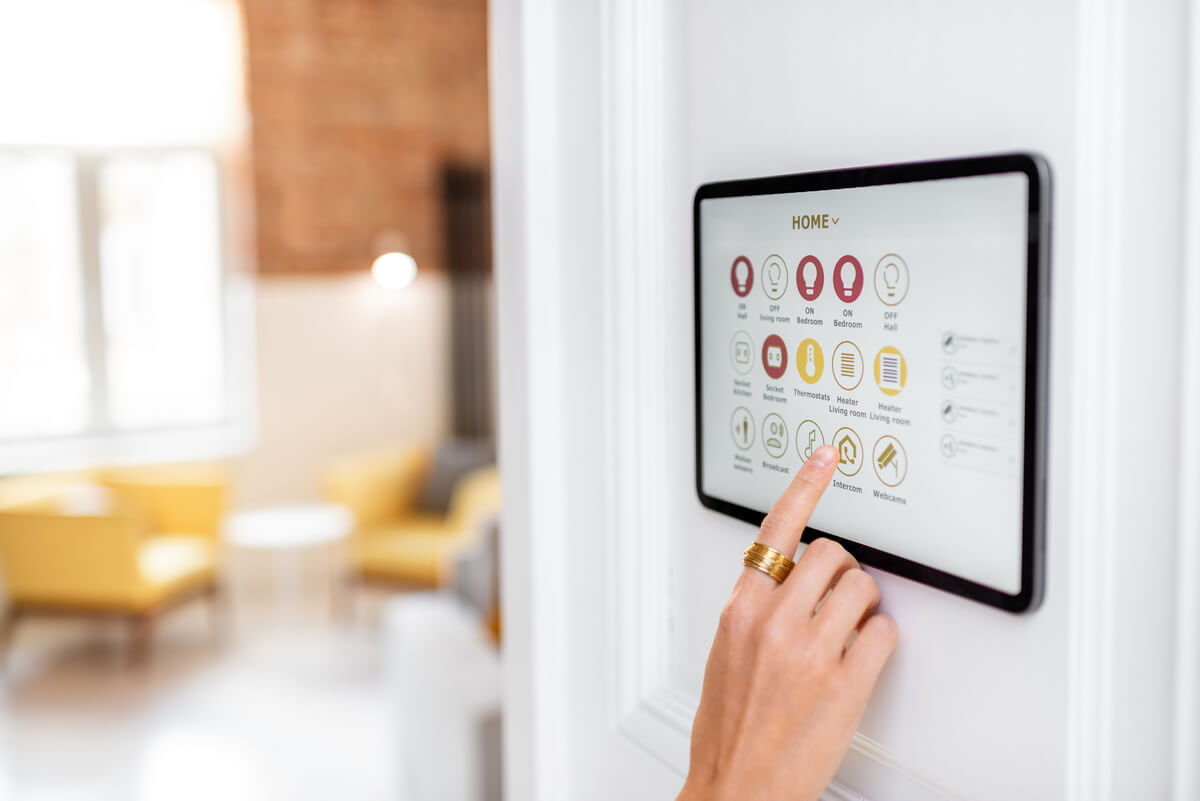
Integration with IoT
Modern smart homes are powered by IoT devices. Touchscreens act as the central hub, consolidating data and enabling seamless control. For example, a single panel can show energy consumption, adjust smart thermostats, and trigger security systems, all with a few taps.

Enhanced User Experience
Unlike traditional switches, touchscreens are customizable. Homeowners can design their control layouts, set automation routines, and even integrate voice assistants. The personalization factor makes living spaces more comfortable, efficient, and secure.
Future of Smart Living
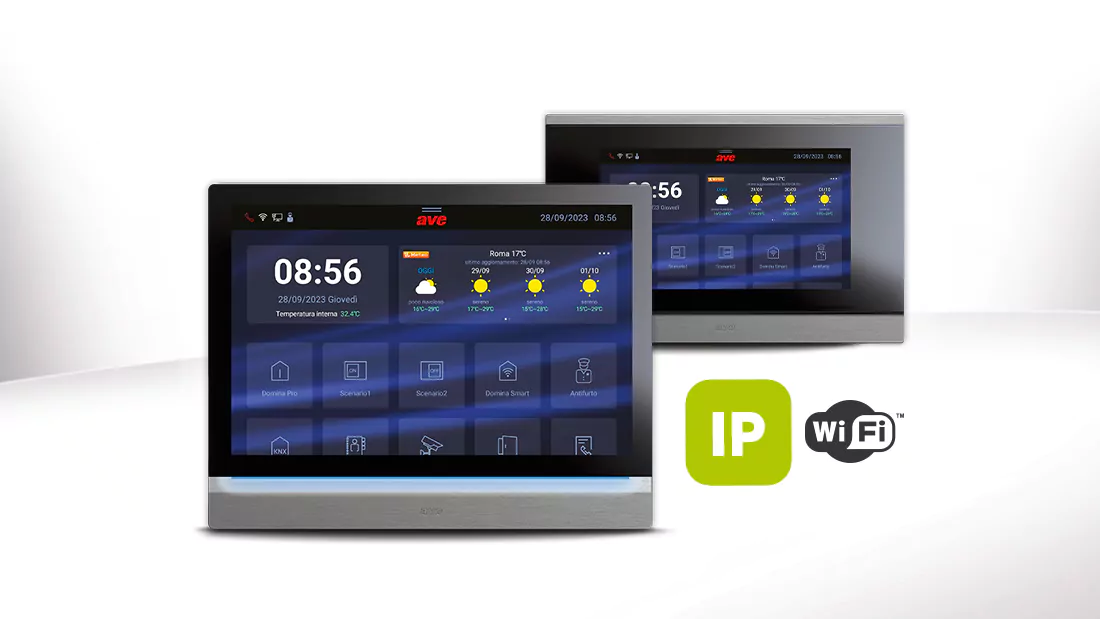
The next generation of smart homes will integrate AI-driven touchscreens capable of learning user preferences and adapting automatically. From predictive lighting adjustments to proactive security measures, touchscreens will remain central to the future of connected living.
