
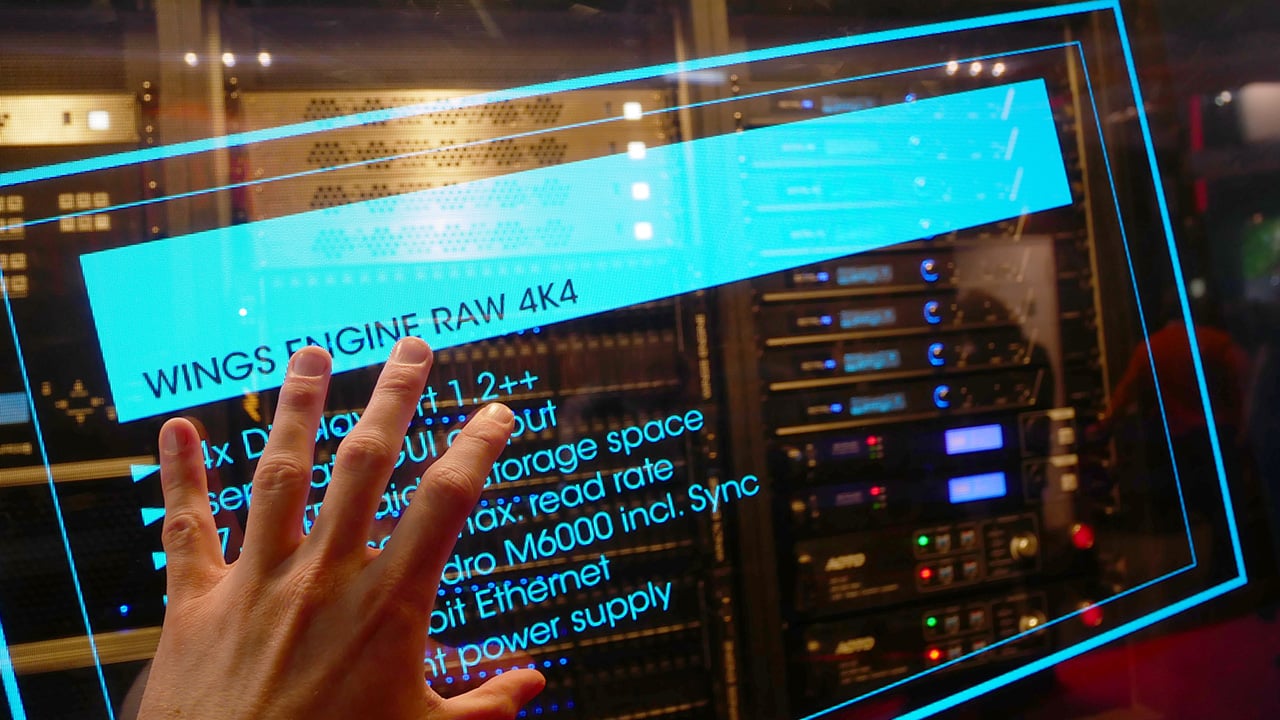
Transparent touchscreen technology once belonged to science fiction, but today it’s becoming reality. As an engineer, I’ve seen early prototypes evolve into practical applications, particularly in retail, automotive, and futuristic smart devices. The potential is vast and exciting.
Retail Applications
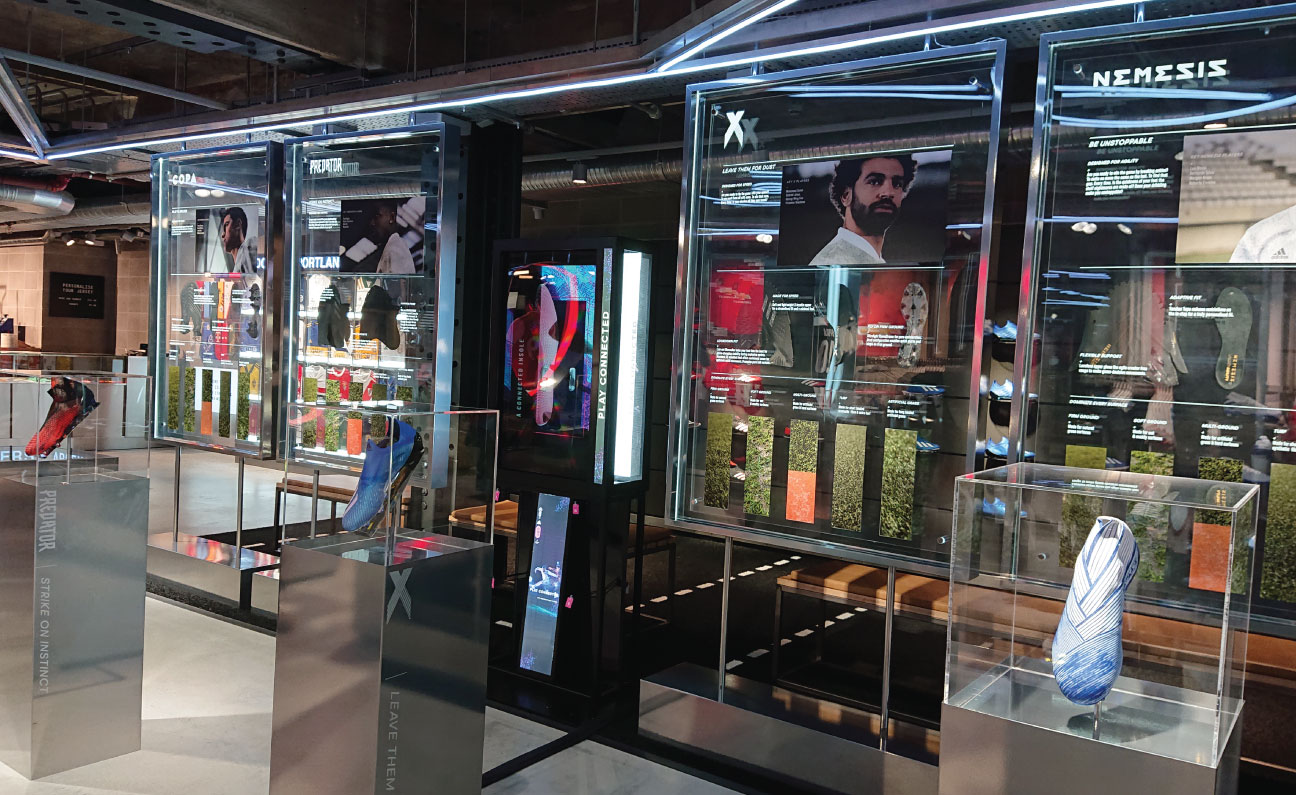
Transparent displays transform storefronts into interactive showcases. Customers can view products behind the glass while interacting with digital information. This merging of digital and physical retail environments enhances customer engagement and increases sales opportunities.
Automotive Integration
Car manufacturers are exploring transparent touchscreens for heads-up displays and navigation systems. Imagine accessing driving data directly on the windshield, without losing focus on the road. This integration of safety and interactivity is paving the way for smarter vehicles.

Smart Devices and Consumer Electronics
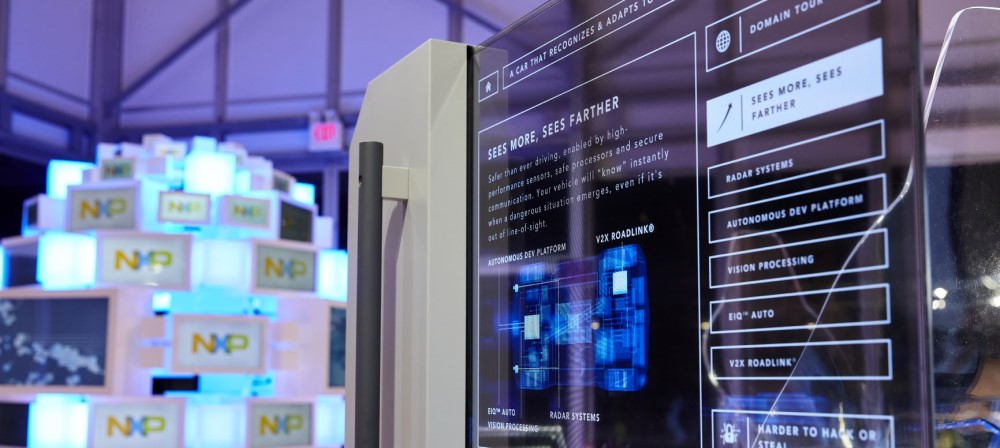
Transparent smartphones, tablets, and appliances are already being tested by tech giants. The challenge lies in balancing clarity, brightness, and responsiveness. With advancements in OLED and flexible substrates, transparent touchscreens are moving closer to mainstream adoption.
Challenges and Future Outlook
Cost, durability, and outdoor visibility remain hurdles for transparent touchscreens. However, as manufacturing matures, prices will fall and adoption will rise. Within the next decade, transparent touchscreens could redefine how we interact with everyday objects, from windows to household furniture.
