In an era where capacitive touchscreens dominate consumer electronics, the 4-wire resistive touch panel remains a staple in industrial, medical, and retail environments. But why is this seemingly outdated technology still thriving? In this article, we’ll dive into why the 4-wire resistive touch panel continues to play a key role in certain industries, despite the increasing popularity of capacitive touch technology.
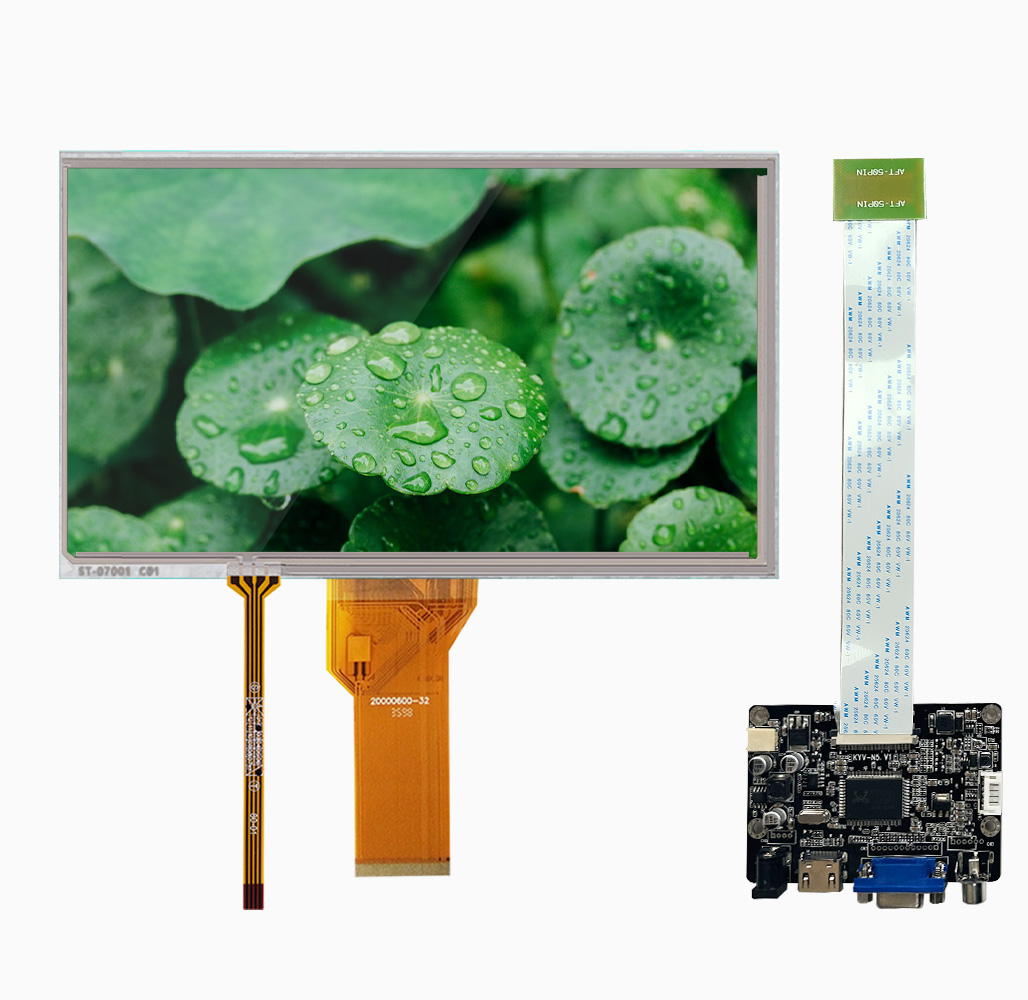
4-wire resistive touch panels might seem like an old technology compared to modern capacitive touchscreens, but they still offer unmatched durability and functionality in specific use cases. From industrial machines to medical equipment, the versatility of resistive panels shows that they remain crucial in environments where durability and cost-effectiveness are paramount.
Before exploring the reasons for their continued relevance, let’s first take a closer look at what exactly makes a 4-wire resistive touch panel work and how it compares to other touchscreen technologies.
Despite being one of the oldest forms of touch technology, the 4-wire resistive touch panel continues to outperform many modern touchscreens in terms of durability, affordability, and environmental resistance, especially in harsh and industrial settings.
A 4-wire resistive touch panel consists of two layers separated by a gap. When pressure is applied to the screen, the layers make contact, and the location of the touch is detected. This technology is simple yet effective, offering reliable performance at a fraction of the cost of newer touch technologies.
In a resistive touchscreen, the four wires are responsible for determining the X and Y coordinates of the touch by sending a small current through each layer. The screen responds to pressure, making it versatile for various industrial and medical applications.
Unlike capacitive touch panels, which require electrical conductivity from the user’s skin, a resistive panel works by detecting pressure. The four wires correspond to the horizontal and vertical axes of the panel, allowing for touch detection even with gloves or other non-conductive tools.
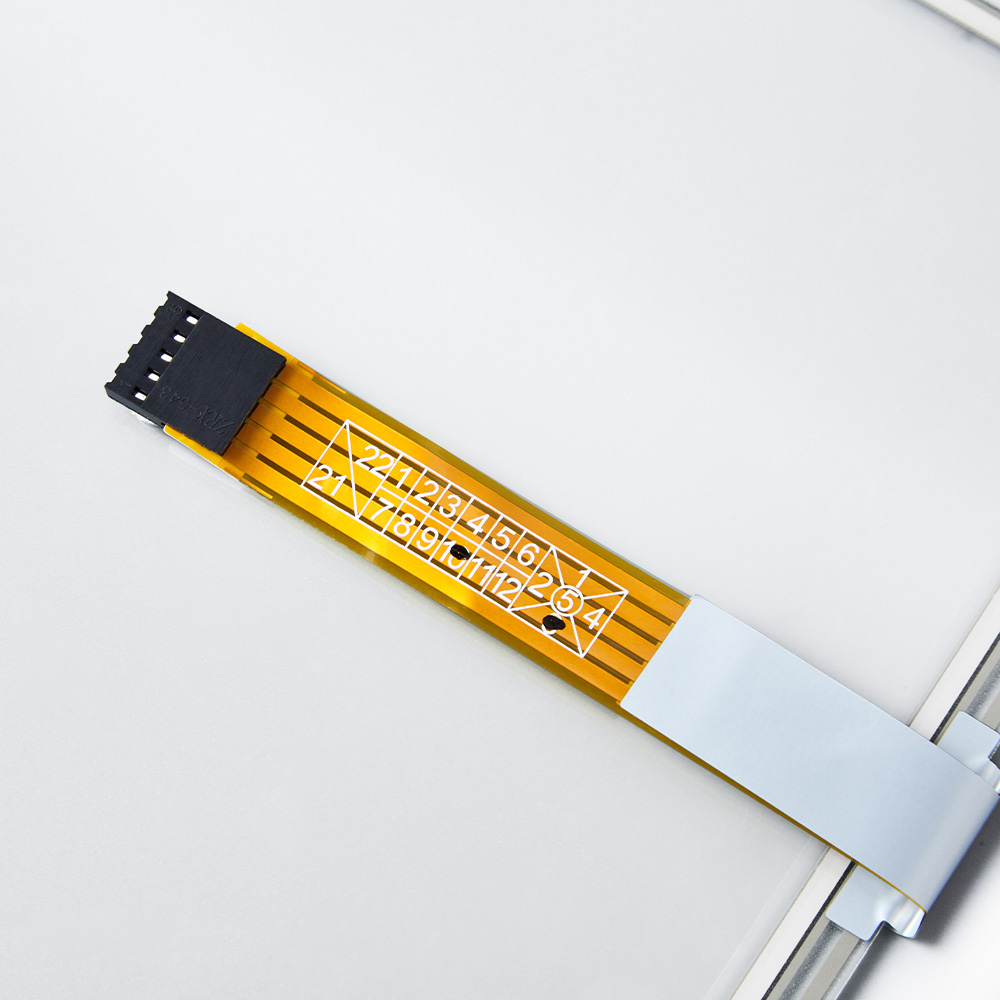
Capacitive touch panels have become the go-to choice for smartphones and consumer electronics. However, resistive panels still have significant advantages in certain scenarios. Let’s compare the two technologies and see where resistive panels shine.
While capacitive touchscreens excel in sensitivity and multi-touch capabilities, they fall short in ruggedness and usability with non-conductive objects. In contrast, 4-wire resistive panels provide unmatched durability and can be operated with any object, including gloved hands.
Capacitive panels are highly responsive and can register multiple touches at once. However, they require direct contact from a conductive object, such as a finger, and don’t work with styluses or gloves. In contrast, 4-wire resistive panels work with pressure-based input, making them ideal for use in environments where gloves or styluses are necessary.
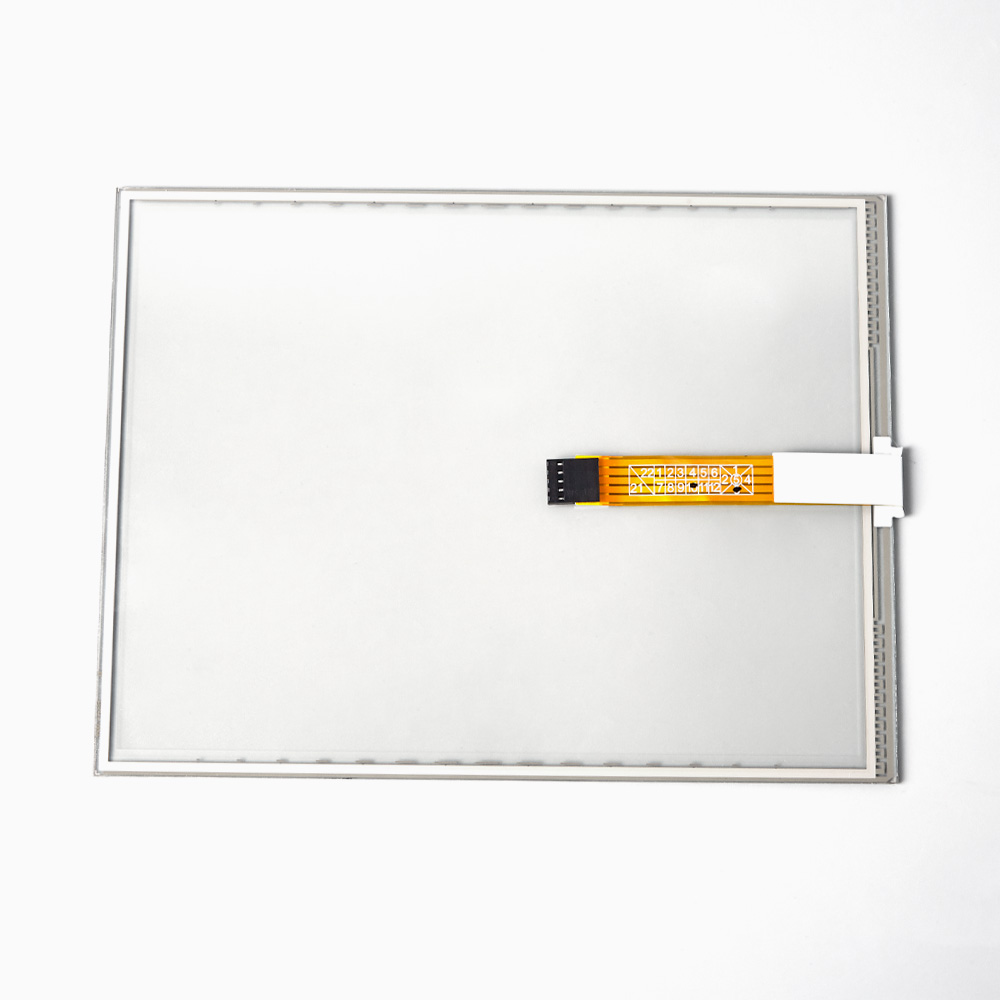
Industrial environments demand technology that can withstand heavy usage and exposure to extreme conditions. The 4-wire resistive touch panel has long been the go-to solution for these settings.
4-wire resistive touch panels are known for their durability and ability to perform well under pressure, both literal and figurative. Whether in factories, warehouses, or rugged construction sites, these panels continue to be integral to industrial devices.
The reliability of 4-wire panels in harsh environments such as factories, warehouses, and construction sites can be attributed to their robust construction. They can withstand high levels of vibration, physical abuse, and even moisture, unlike their capacitive counterparts.
The continued relevance of 4-wire resistive touch panels in modern applications is a testament to their resilience and adaptability. While capacitive panels have their place in the consumer market, the unique advantages of 4-wire panels, particularly in industrial, medical, and outdoor environments, ensure they remain an essential component of many devices.

