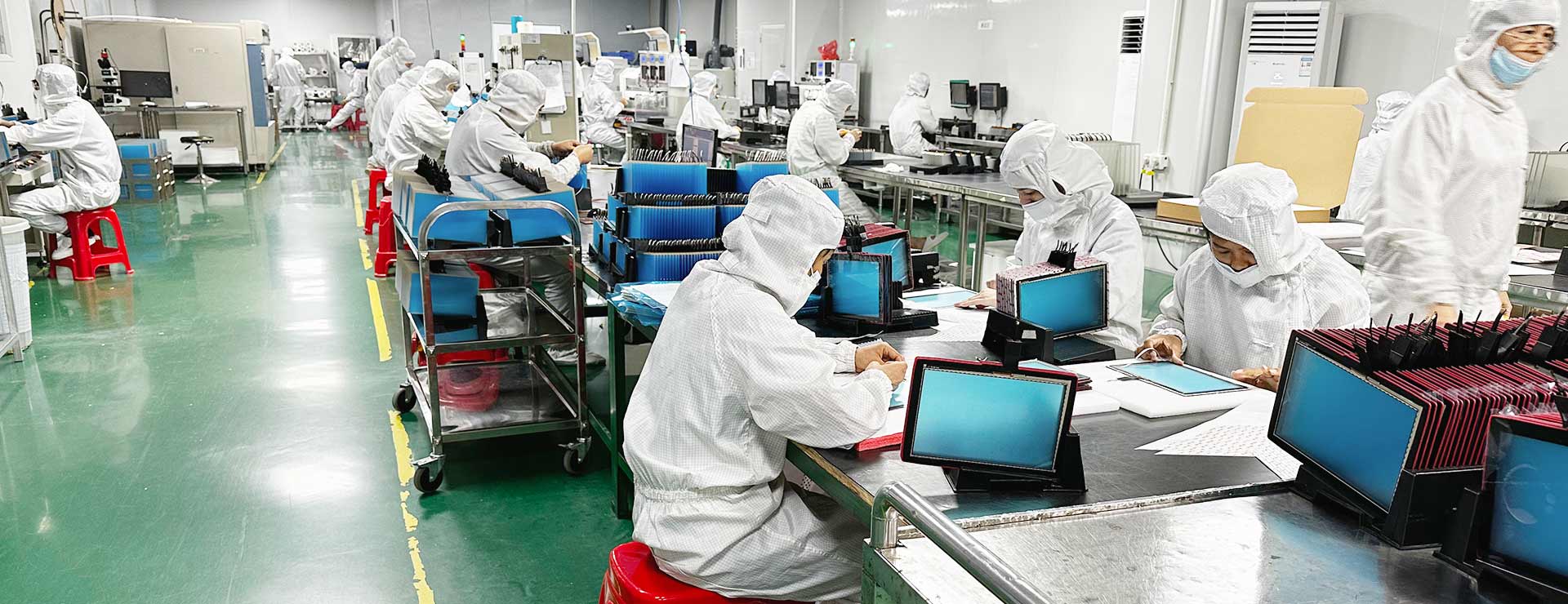
In the rapidly advancing world of electronic devices, the integration of touch functionality into LCD displays has become a standard requirement across various industries. From medical equipment to industrial controls, the demand for OEM LCD displays with integrated touch solutions is on the rise. Understanding the nuances of these integrations is crucial for manufacturers aiming to deliver responsive and reliable user interfaces.
OEM LCD displays with touch integration offer streamlined interfaces, combining display and touch functionalities into a single unit. This integration enhances user experience, reduces component count, and simplifies device design. However, selecting the right integration approach requires careful consideration of factors like application requirements, environmental conditions, and budget constraints.
To navigate the complexities of OEM LCD touch integrations, it's essential to explore the available technologies, understand the benefits and limitations of each, and identify reputable suppliers who can meet specific project needs.
Selecting the appropriate OEM LCD display with integrated touch functionality is pivotal in ensuring device performance, user satisfaction, and overall product success.
1. What Are the Different Types of Touch Integration Technologies?
Touch integration technologies have evolved to meet the diverse needs of various applications. The primary methods include On-Cell, In-Cell, and Touch and Display Driver Integration (TDDI).
On-Cell technology places the touch sensor on top of the display panel, offering a balance between performance and cost. In-Cell integrates the touch sensor within the display panel, resulting in thinner devices. TDDI combines the touch and display drivers into a single chip, reducing components and improving synchronization.
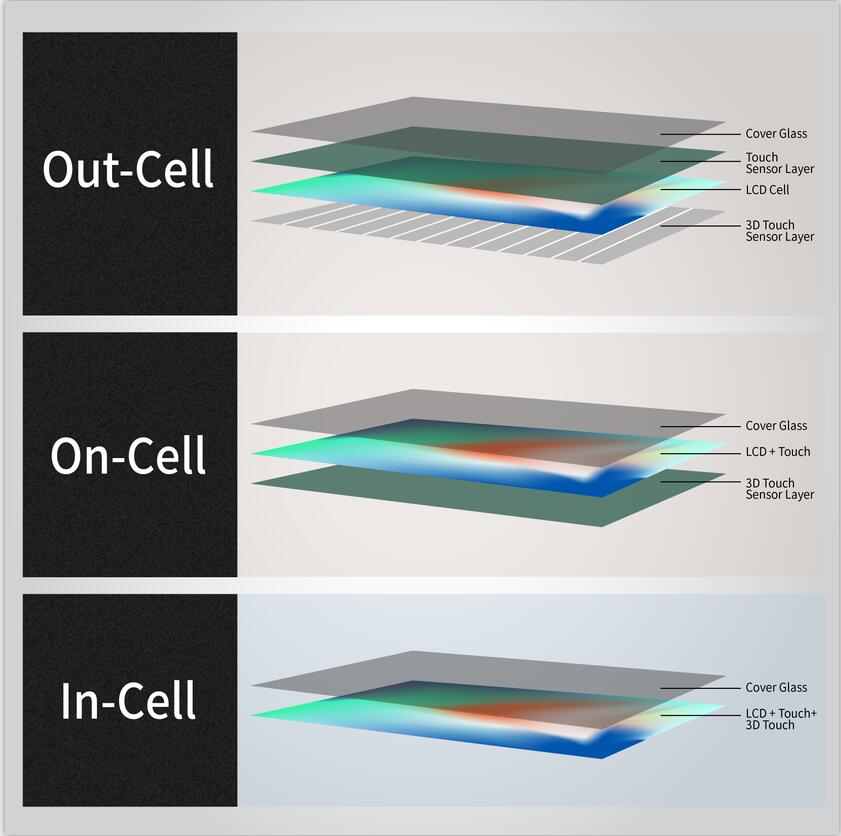
On-Cell technology is widely used due to its mature manufacturing process and compatibility with various display types. In-Cell technology, while offering slimmer profiles, can be more complex to manufacture and may have limitations in touch sensitivity. TDDI, as highlighted by Synaptics, offers advantages in reducing display-induced noise and improving touch responsiveness by synchronizing display updates and touch sensing functions.
-
On-Cell technology provides a cost-effective solution suitable for many applications.
-
In-Cell technology enables thinner device designs but may involve higher manufacturing complexity.
-
TDDI offers improved integration by combining touch and display drivers, enhancing performance and reducing component count.
2. How Do Application Requirements Influence Touch Integration Choices?
The choice of touch integration technology is heavily influenced by the specific requirements of the intended application, including factors like environmental conditions, user interaction expectations, and device form factor.
Applications in medical, industrial, and consumer electronics each have unique demands that dictate the most suitable touch integration approach. For instance, medical devices may prioritize hygiene and glove compatibility, while consumer electronics focus on sleek design and multi-touch capabilities.
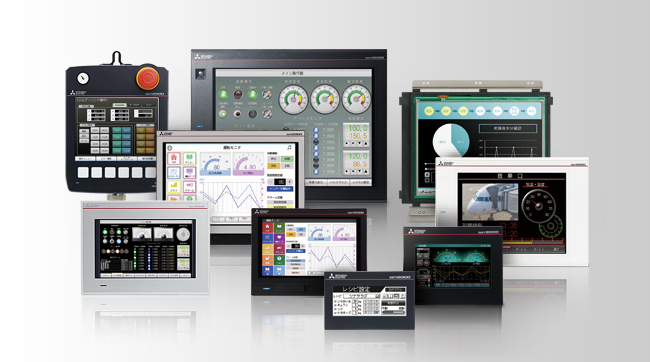
In medical environments, resistive touch screens are often preferred for their compatibility with gloves and resistance to contaminants. Industrial applications may require touch screens with enhanced durability and resistance to environmental factors like moisture and dust. Consumer electronics typically favor capacitive touch screens for their responsiveness and support for multi-touch gestures. Understanding these application-specific requirements is crucial in selecting the appropriate touch integration technology.
-
Medical applications benefit from touch screens that are easy to sanitize and operate with gloves.
-
Industrial environments require robust touch screens that can withstand harsh conditions.
-
Consumer devices prioritize touch responsiveness and support for complex gestures.
3. Which Suppliers Offer Reliable OEM LCD Touch Integration Solutions?
Identifying reputable suppliers is essential for obtaining quality OEM LCD displays with integrated touch functionality. Several companies specialize in providing customized solutions tailored to various industry needs.
Suppliers like STOUCH, offer a range of products and services, from standard modules to fully customized touch display solutions, catering to industries such as medical, industrial, and consumer electronics.
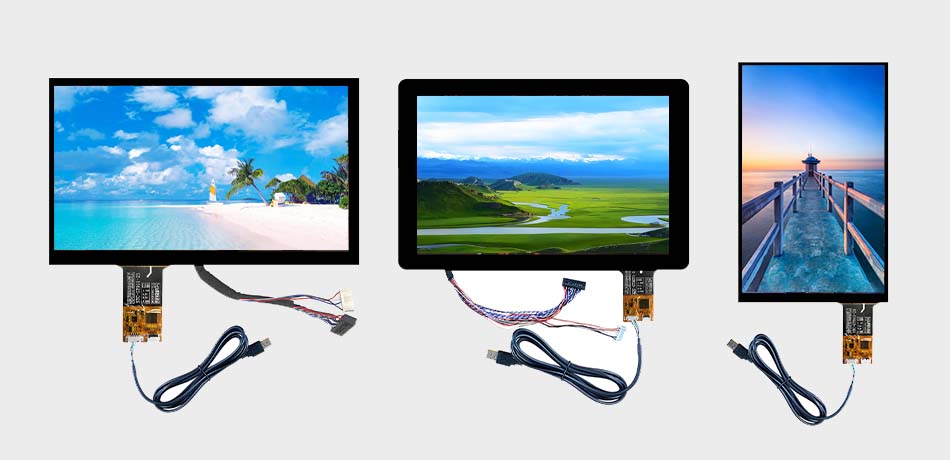
STOUCH specializes in small to medium-sized TFT LCD displays, offering both capacitive and resistive touch options, with customization services for cover glass and optical treatments . We provide a wide range of TFT displays and touch panels, with capabilities for custom adapter boards and open-frame monitors, we focuse on customizable touch screens for OEM solutions.

