Capacitive touch screens have revolutionized the way we interact with devices, offering responsive and intuitive interfaces. When combined with optical bonding, these screens provide enhanced durability and visibility, making them ideal for various applications.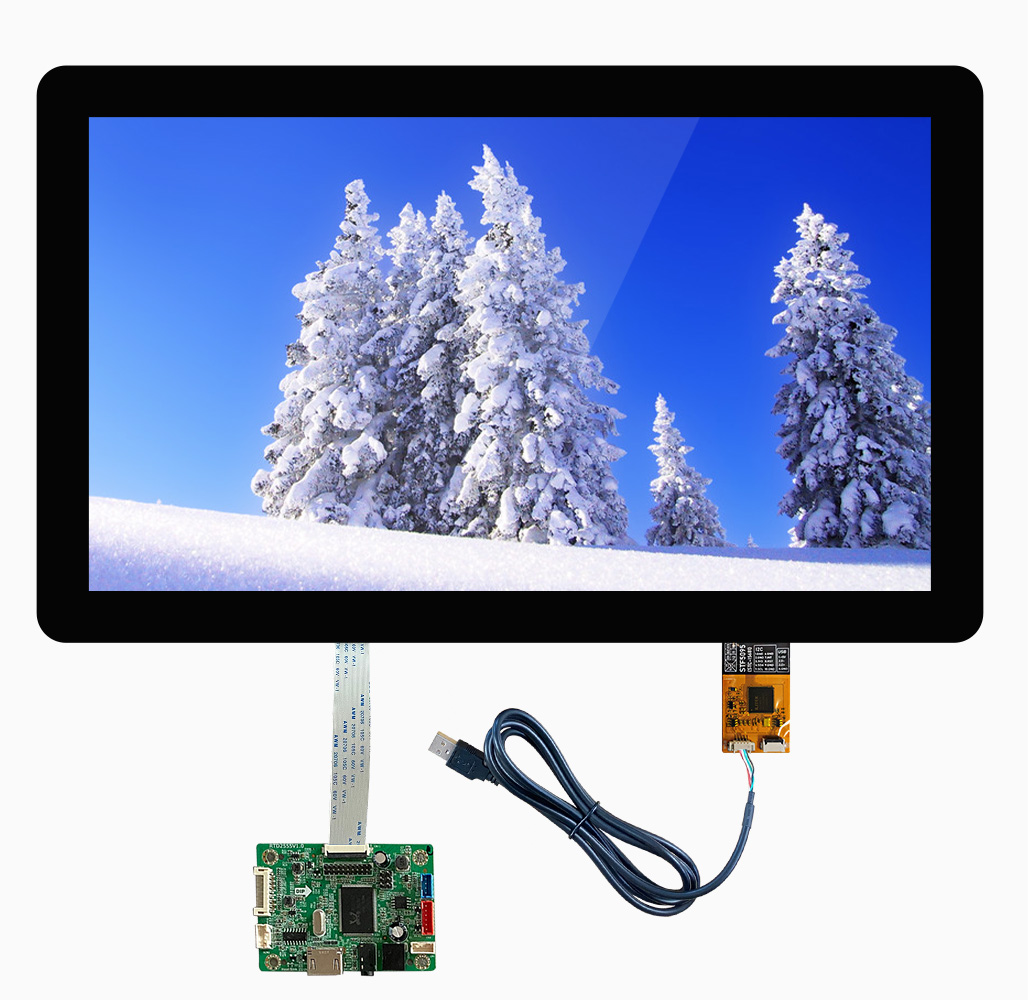
Capacitive touch screens with optical bonding offer improved touch sensitivity, reduced glare, and increased durability, making them suitable for diverse environments and applications.
To understand the benefits of combining capacitive touch technology with optical bonding, it's essential to explore the underlying principles and the enhancements this integration brings.
Integrating optical bonding with capacitive touch screens significantly enhances display performance, durability, and user experience across various applications.

Capacitive touch screens operate by detecting changes in capacitance when a conductive object, such as a human finger, touches the screen. Unlike resistive touch screens, which rely on pressure, capacitive screens offer a more responsive and intuitive user experience.
Multi-Touch Capability: Supports gestures like pinch-to-zoom.
High Sensitivity: Responds to light touches.
Durability: Less prone to wear and tear due to the absence of moving parts.
There are two primary types:
Surface Capacitance: Utilizes a single conductive layer.
Projected Capacitance: Employs a grid of conductive layers, allowing for multi-touch functionality.
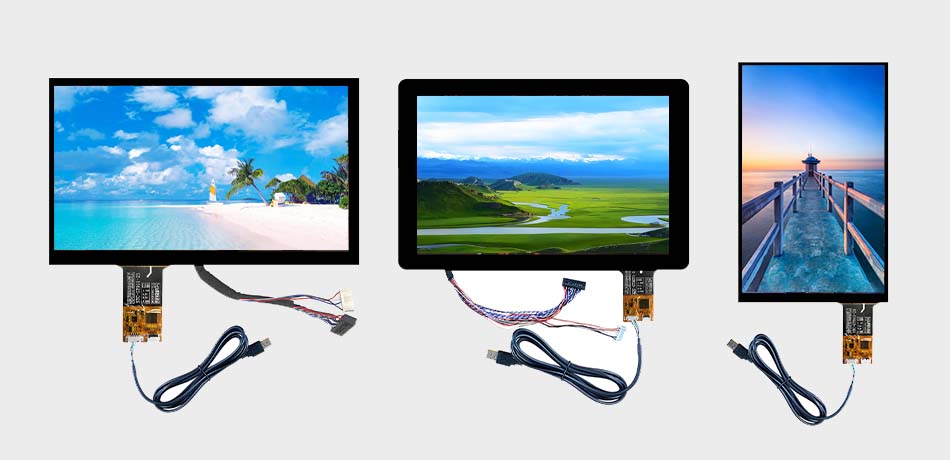
Optical bonding involves adhering a protective glass layer directly onto the touch screen using a transparent adhesive. This process eliminates the air gap between layers, resulting in improved display performance.
Reduced Glare and Reflection: Minimizes light refraction, enhancing visibility.
Improved Durability: Strengthens the screen against impacts and vibrations.
Enhanced Touch Accuracy: Eliminates parallax errors, leading to precise touch responses.
While optical bonding offers numerous advantages, it can increase production costs and may complicate repairs due to the fused layers.
Integrating optical bonding with capacitive touch screens amplifies the strengths of both technologies:
Enhanced Readability: Ideal for outdoor use with reduced glare.
Superior Touch Experience: Offers precise and responsive interactions.
Robustness: Withstands harsh environments, making it suitable for industrial applications.WIRED+8维基百科+8DigiKey+8
| Feature | Capacitive Only | Capacitive + Optical Bonding |
|---|---|---|
| Touch Sensitivity | High | Very High |
| Glare Reduction | Moderate | Excellent |
| Durability | Good | Excellent |
| Outdoor Visibility | Fair | Superior |
The combination is prevalent in sectors requiring reliable and durable touch interfaces:
Medical Devices: Ensures clarity and hygiene.
Automotive Displays: Provides visibility under varying light conditions.
Outdoor Kiosks: Withstands environmental challenges.
High-end smartphones and tablets utilize this technology to deliver premium user experiences, especially in devices designed for outdoor use.
Combining capacitive touch screens with optical bonding results in displays that are not only responsive and accurate but also durable and readable under various conditions. This integration is increasingly becoming the standard in industries where performance and reliability are paramount.

