
When it comes to medical devices, the right touchscreen is more than just a user interface; it is a critical component that can impact patient care, diagnostic accuracy, and overall usability. Over the years, I’ve seen firsthand how important it is for medical professionals to interact with devices that are not only easy to use but also highly reliable. Let’s explore some of the key factors to consider when selecting a touchscreen for medical applications.

1. Understanding the Environment: Hospital vs. Home Use
The environment in which the touchscreen will be used plays a significant role in determining the type of touchscreen technology needed. In a hospital setting, devices are often exposed to high-touch frequencies, disinfectants, and even harsh environmental conditions. This means that touchscreens must be durable, resistant to wear, and able to function in conditions where precision is paramount.
In contrast, home use applications may require less ruggedness but emphasize ease of use and intuitive navigation. Here, capacitive touchscreens may be more suitable due to their high responsiveness and sensitivity to light touch, offering users a more streamlined experience.
Why It Matters: The environmental factors, like exposure to cleaning agents or heavy usage, will influence whether a capacitive or resistive touchscreen is a better fit for the device.
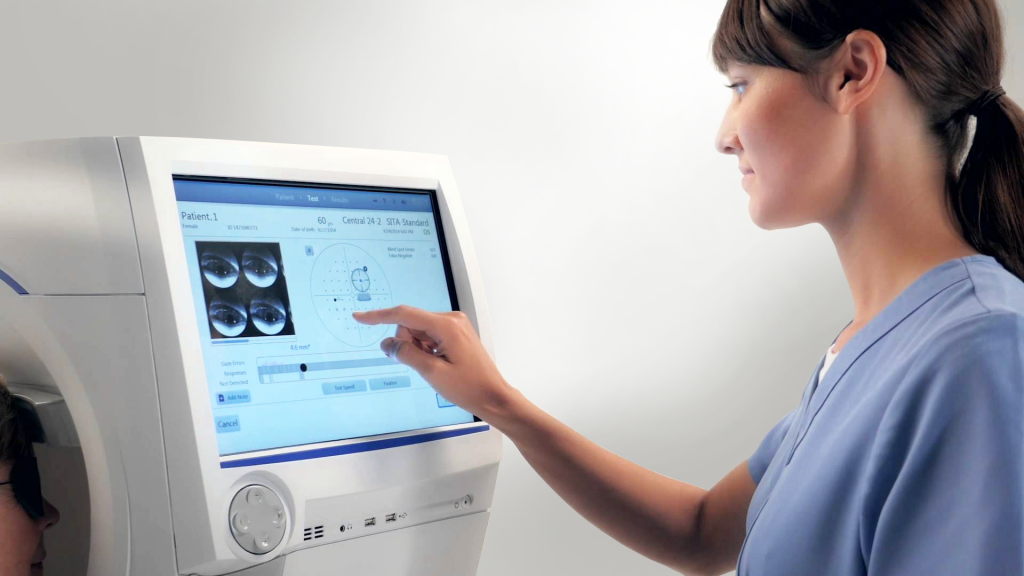
2. Touchscreen Technology: Capacitive vs. Resistive
When choosing a touchscreen for medical devices, understanding the difference between capacitive and resistive touch technology is crucial. Capacitive touchscreens offer superior sensitivity and a smooth user interface, which makes them ideal for applications such as diagnostic equipment or patient monitoring systems where quick interaction is necessary.
Resistive touchscreens, on the other hand, may be more suited to environments where users need to interact with the screen while wearing gloves or in situations requiring a firmer touch, like in laboratory equipment or surgical devices. While resistive screens are not as sensitive as capacitive ones, they excel in durability and precision under pressure.
Why It Matters: Choosing the right touchscreen technology for medical devices depends on the level of sensitivity required, the environment, and whether or not the users need to wear gloves.
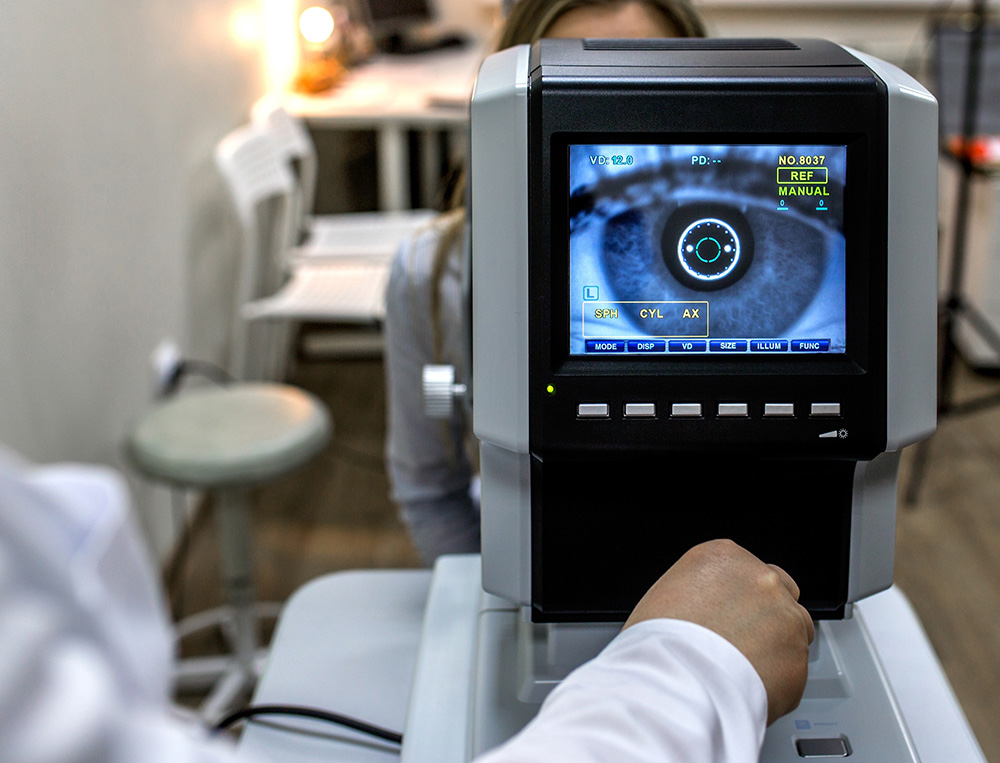
3. Regulatory Compliance and Safety
Medical devices must meet strict regulatory standards to ensure patient safety and device effectiveness. In many regions, including North America and Europe, medical devices must be certified according to the FDA (Food and Drug Administration) in the U.S. or the CE mark in Europe. Touchscreens used in these devices must also comply with these regulations.
For example, touchscreen panels must be designed to withstand cleaning protocols commonly used in healthcare settings. Additionally, they should meet safety standards that prevent issues such as accidental touch activation or unintentional input errors, which could compromise patient safety.
Why It Matters: Ensuring that the touchscreen complies with safety and regulatory requirements is critical for manufacturers to avoid costly recalls and to maintain the highest standards in patient care.
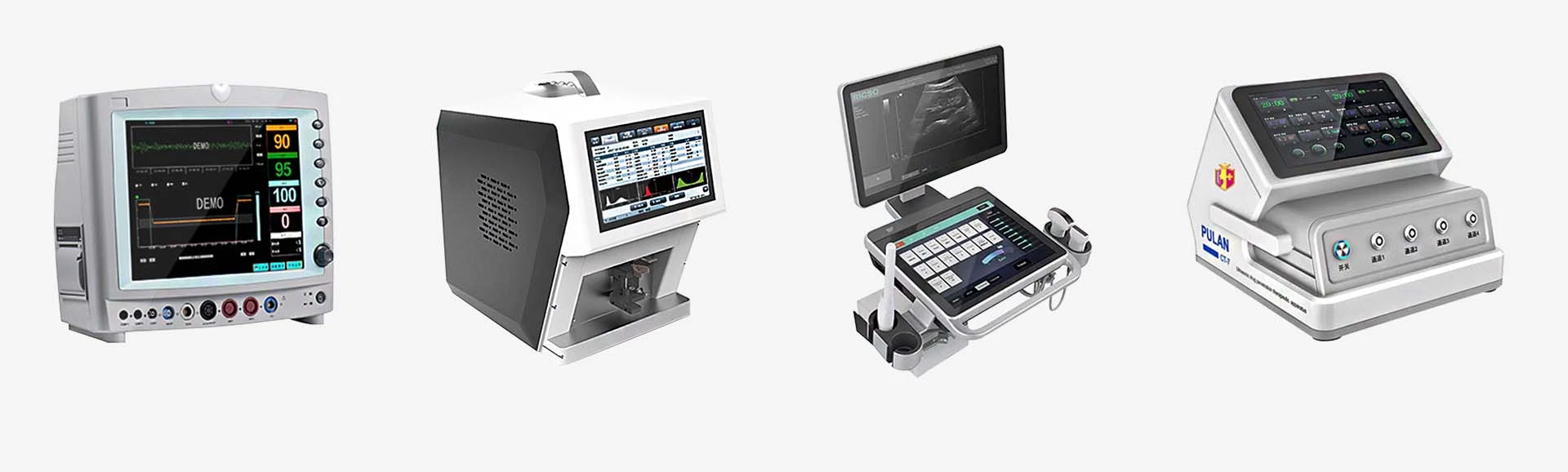
4. Durability and Reliability
In a healthcare setting, medical devices are expected to endure constant use, accidental drops, and regular cleaning. As a result, durability and reliability are paramount. Capacitive touchscreens, although sensitive and responsive, can be vulnerable to cracks if dropped. However, many modern capacitive screens are designed with strengthened glass, making them much more durable than older models.
Resistive touchscreens, on the other hand, are known for their ruggedness and resilience to physical stress, including pressure and abrasion. In environments where a device may be subjected to rough handling or the use of gloves, resistive touchscreens may offer greater longevity and reliability.
Why It Matters: Choosing a durable touchscreen ensures that your device can withstand the physical demands of healthcare environments without compromising the accuracy or quality of the user interface.
5. Cost-Effectiveness for Bulk Orders
Medical devices are often produced in large quantities, especially for hospitals, clinics, and healthcare organizations. Cost is always an important factor when selecting components, and the cost of touchscreens can vary significantly depending on the type of technology used. While capacitive touchscreens are often more expensive due to their advanced technology, resistive screens are generally more cost-effective and provide a practical solution for bulk orders.
Why It Matters: Cost-effectiveness is essential for manufacturers and healthcare providers seeking to equip large numbers of devices, such as monitoring systems or diagnostic machines, without exceeding their budget.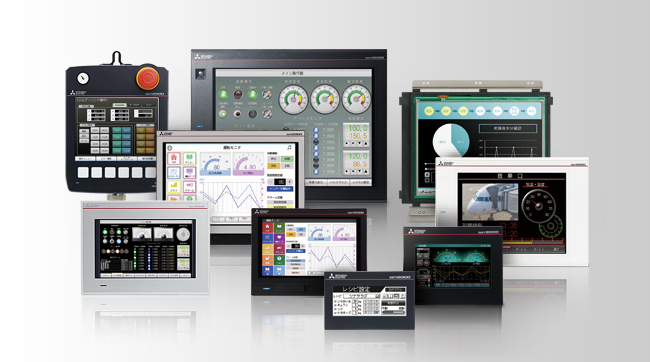
Conclusion
Choosing the right touchscreen for medical devices is a complex decision that requires careful consideration of several factors, including environment, user needs, regulatory compliance, and cost. Both capacitive and resistive touchscreens have their place in the healthcare industry, and the best choice depends on the specific requirements of your device and application.
At STouch, we offer high-quality capacitive and resistive touchscreens for medical devices, each designed to meet industry standards and ensure reliable performance in critical healthcare environments.
Contact Us for Tailored Touchscreen Solutions
If you’re ready to choose the best touchscreen for your medical device, our team of experts is here to guide you. Contact us today to discuss your requirements, and let’s work together to find the perfect solution for your needs.
