
As an engineer with over a decade of experience in touchscreen technology, I’ve worked with both capacitive and resistive touchscreens across various applications. While both types of touchscreens are widely used in consumer electronics and industrial devices, they each have their own unique advantages and drawbacks. In this article, we’ll explore the key differences between capacitive and resistive touchscreens and help you decide which one is best suited for your needs.
Let’s dive into the factors that differentiate these two technologies and their suitability for different environments.
1. Technology Behind Capacitive and Resistive Touchscreens
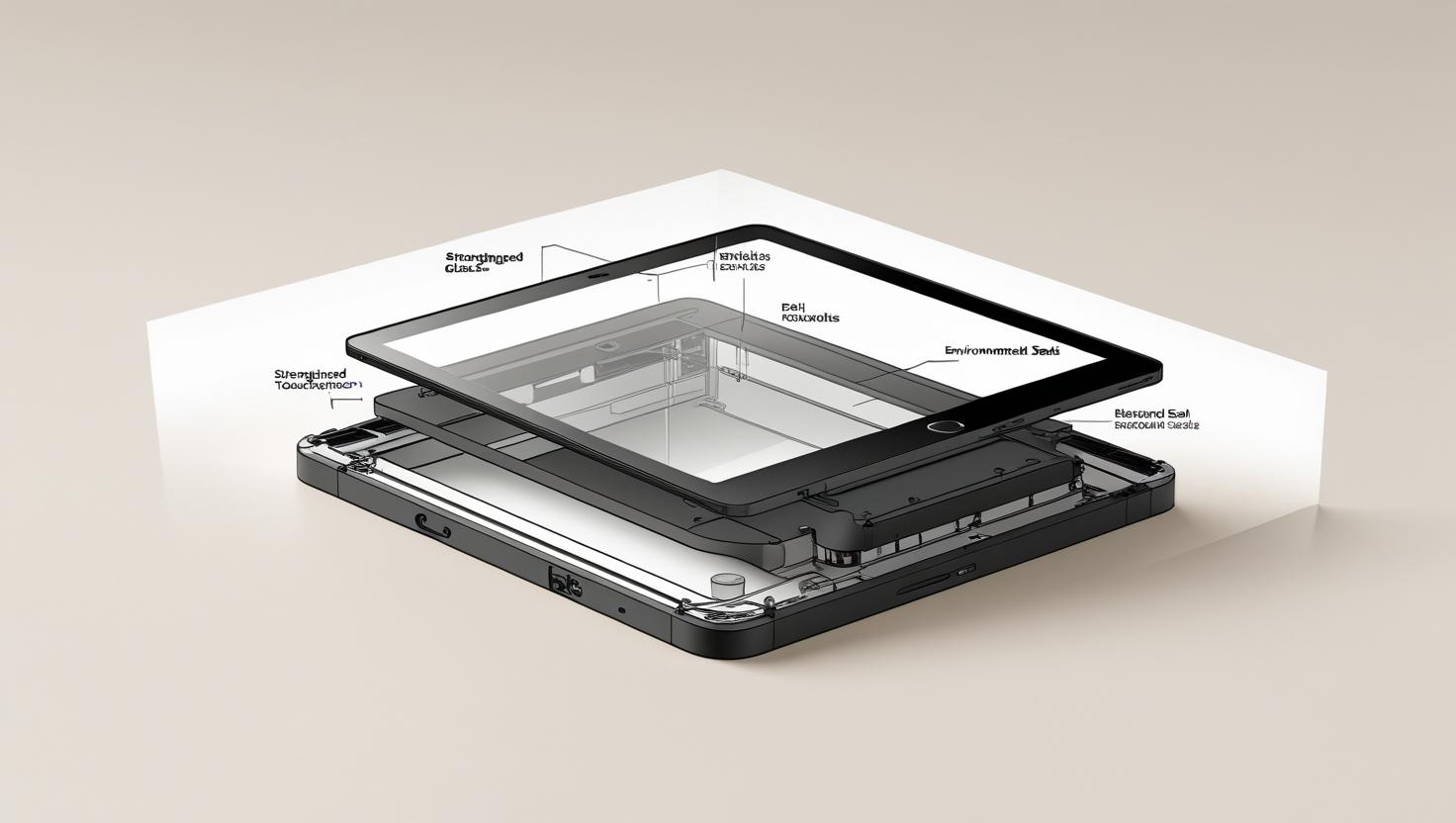
Understanding the fundamental technology behind both capacitive and resistive touchscreens is essential in making an informed decision. Capacitive touchscreens use a layer of capacitive material that stores an electrical charge. When you touch the screen, the electrical field changes, allowing the device to register the touch.
On the other hand, resistive touchscreens are made up of multiple layers, including a conductive layer. When pressure is applied, the layers make contact, enabling the screen to register the input. This fundamental difference affects the overall functionality of the two types of touchscreens.
Why It Matters: The technology behind the touchscreen impacts how responsive it is and what type of interaction it supports. Capacitive screens are more sensitive to light touch, while resistive screens need a bit more pressure for activation.

2. Sensitivity and User Experience
One of the key differences between capacitive and resistive touchscreens is their sensitivity. Capacitive touchscreens are known for their high sensitivity, allowing users to interact with the screen using just a light touch. This makes them ideal for applications like smartphones, where smooth and quick interaction is essential.
In contrast, resistive touchscreens require a firmer press to register input. While this may seem like a disadvantage, it can actually be a benefit in industrial environments where gloves or styluses are commonly used. The more forceful interaction can ensure that inputs are deliberate and controlled.
Why It Matters: The sensitivity of a touchscreen determines how users interact with the device. If you require high precision or need to use gloves or styluses, resistive screens are a better fit. For everyday consumer devices, capacitive screens are generally preferred due to their touch sensitivity.

3. Durability and Maintenance
Both capacitive and resistive touchscreens are durable, but they have different strengths. Capacitive touchscreens, while highly responsive, can be more vulnerable to scratches and cracks, particularly when exposed to heavy use. The glass surface, while sleek, may break under impact.
Resistive touchscreens, with their multiple layers, are more resistant to scratches and can handle wear and tear better, making them ideal for harsh environments like factories or warehouses. They are also less likely to suffer from breakage when dropped or subjected to heavy pressure.
Why It Matters: The durability of the touchscreen is crucial for industries or environments that involve heavy equipment, exposure to dust, or rough handling. Resistive screens are typically better suited for such environments.
4. Cost Considerations
Capacitive touchscreens tend to be more expensive to manufacture than resistive screens due to their advanced technology. The higher manufacturing cost can make capacitive screens less ideal for large-scale applications where cost is a major factor.
Resistive touchscreens, however, are generally more cost-effective, making them a better option for budget-conscious industries or projects that require many touch panels, such as point-of-sale (POS) systems, kiosks, or industrial machines.
Why It Matters: Choosing a touchscreen technology involves balancing cost with performance. Capacitive screens are ideal for high-end consumer products, while resistive screens provide a cost-effective solution for bulk deployments in industrial and commercial applications.
Conclusion
Both capacitive and resistive touchscreens have their advantages and disadvantages depending on the application. Capacitive screens excel in consumer electronics, offering a superior user experience with their high sensitivity and sleek design. However, when it comes to durability, cost-effectiveness, and versatility, resistive screens are the ideal choice for industrial and commercial use.
At STouch, we provide both capacitive and resistive touchscreen solutions for a variety of industries. With over 15 years of experience in the touchscreen field, we’re equipped to help you choose the right technology for your project.
Contact Us Today for Expert Touchscreen Solutions
If you’re unsure which touchscreen technology is best suited for your application, don’t hesitate to contact us. Our team of experts is ready to provide guidance and recommend the right solution for your specific needs.
