
Elevator touch screens are transforming the way people interact with vertical transportation systems. Unlike traditional mechanical buttons, these screens rely on advanced capacitive or resistive touch technologies to allow users to make selections with minimal effort. Beyond basic floor selection, elevator touch screens now provide a range of features, including multimedia displays, accessibility options, and advanced customization.
An elevator touch screen functions as a digital interface, enabling seamless interactions between passengers and the elevator system. Its responsive surface and smart features offer more than just floor selection—it transforms the elevator experience.
The underlying technology of elevator touch screens varies. Capacitive touch panels, like those used in smartphones, are sensitive to the electrical properties of the human body, enabling quick and accurate responses. Resistive touch screens, on the other hand, are more durable and work with gloves or styluses, making them ideal for industrial or public applications. Advanced versions integrate haptic feedback to simulate the tactile response of pressing a button, bridging the gap between digital and physical interactions.
By combining intuitive touch technology with robust durability, elevator touch screens redefine the passenger experience, making elevators smarter and more accessible.

Accessibility is a growing concern in modern architecture, and elevator touch screens are a significant step forward in ensuring inclusivity. These interfaces are designed to accommodate users with diverse needs, from individuals with physical disabilities to the elderly.
Elevator touch screens improve accessibility through features like adjustable interface heights, voice guidance, and compatibility with assistive technologies.
For visually impaired users, elevator touch screens can provide audio prompts that guide them to make floor selections or understand system status. Some systems integrate with braille overlays or tactile feedback for enhanced usability. Adjustable heights allow wheelchair users to interact effortlessly with the interface, while large, high-contrast text improves visibility for those with impaired eyesight. Innovations like STOUCH’s durable capacitive touchscreens ensure long-lasting accessibility even in high-traffic environments.
With thoughtful design, elevator touch screens address accessibility challenges, fostering inclusivity in public and private spaces.
In modern commercial and residential buildings, elevators are no longer just functional tools—they are integral to the aesthetic identity of the structure. Elevator touch screens contribute significantly to this transformation, blending advanced functionality with sleek, customizable designs.
Customizable interfaces, multimedia capabilities, and integration with architectural themes make elevator touch screens a key element of modern interior design.
Elevator touch screens can display dynamic content, such as building directories, advertisements, or even news updates, adding value to otherwise idle moments during travel. Fully customizable interfaces allow property owners to match the screen’s visual style with the building’s overall branding. For instance, luxury hotels might use elegant fonts and high-resolution images, while corporate offices might integrate company logos and minimalist designs. These features not only enhance user experience but also elevate the perceived quality of the building.
Elevator touch screens merge functionality with visual appeal, turning elevators into an extension of the building’s identity.

The decision to integrate elevator touch screens involves careful planning to ensure that the technology aligns with the building's requirements and passenger needs.
Durability, safety, maintenance, and user training are essential factors when implementing elevator touch screens in any building.
Strategic planning ensures the successful implementation of elevator touch screens, maximizing their benefits while minimizing potential issues.
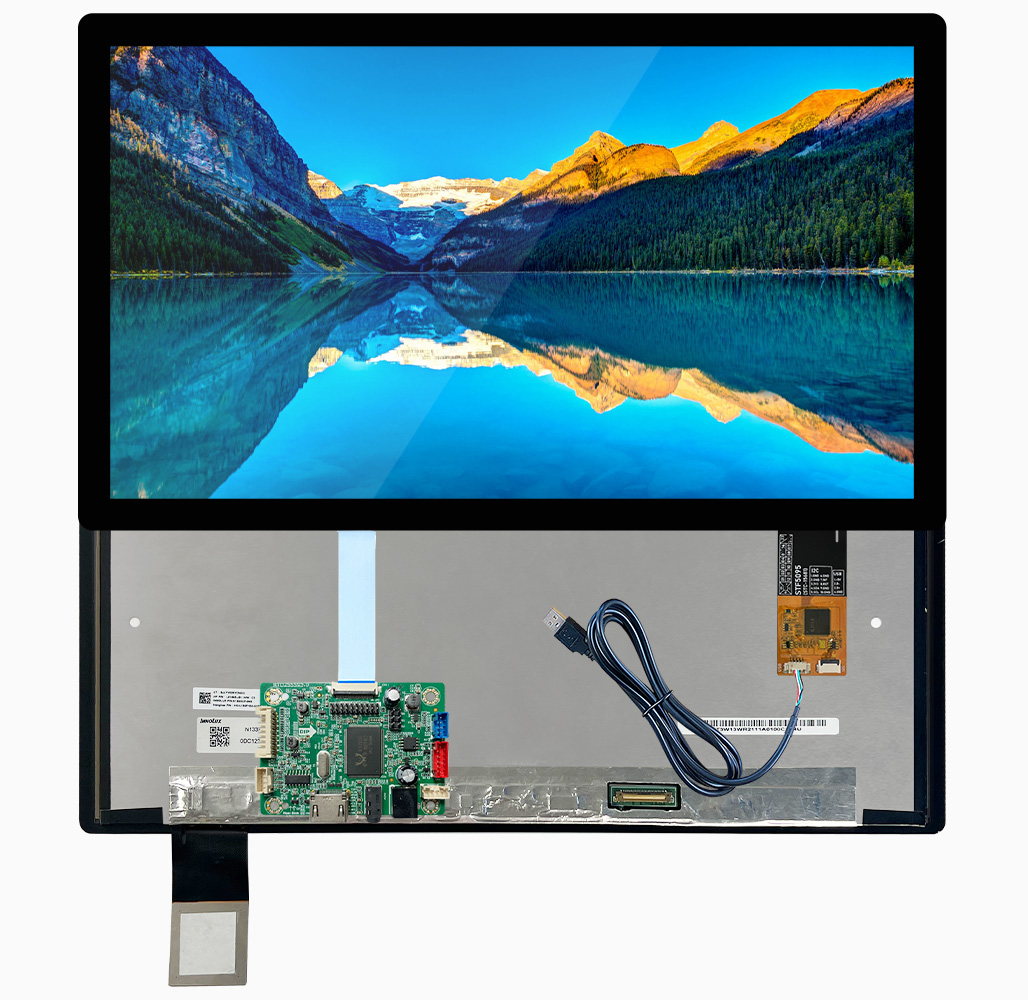
As technology advances, elevator touch screens are expected to integrate cutting-edge innovations that redefine user interactions and building management systems.
AI-powered personalization, touchless interaction, and integration with IoT platforms are set to revolutionize elevator touch screens.
Future developments in elevator touch screens will not only enhance convenience but also play a pivotal role in smart building ecosystems.
STOUCH, a leading touchscreen manufacturer, is at the forefront of this technological evolution. With their commitment to durability, customization, and accessibility, they continue to innovate solutions tailored to modern buildings. Whether it’s a sleek capacitive screen for luxury residential towers or rugged, water-resistant panels for industrial elevators, STOUCH provides the perfect blend of form and function.

