
From ATMs to medical ventilators, physical buttons are disappearing. Touchscreens provide a flexible, sleek, and user-friendly interface that adapts to multiple applications. This shift is reshaping industries worldwide.
Design Flexibility
With touchscreens, manufacturers can design interfaces that change dynamically. One device can serve multiple functions without requiring extra hardware buttons, reducing cost and complexity.
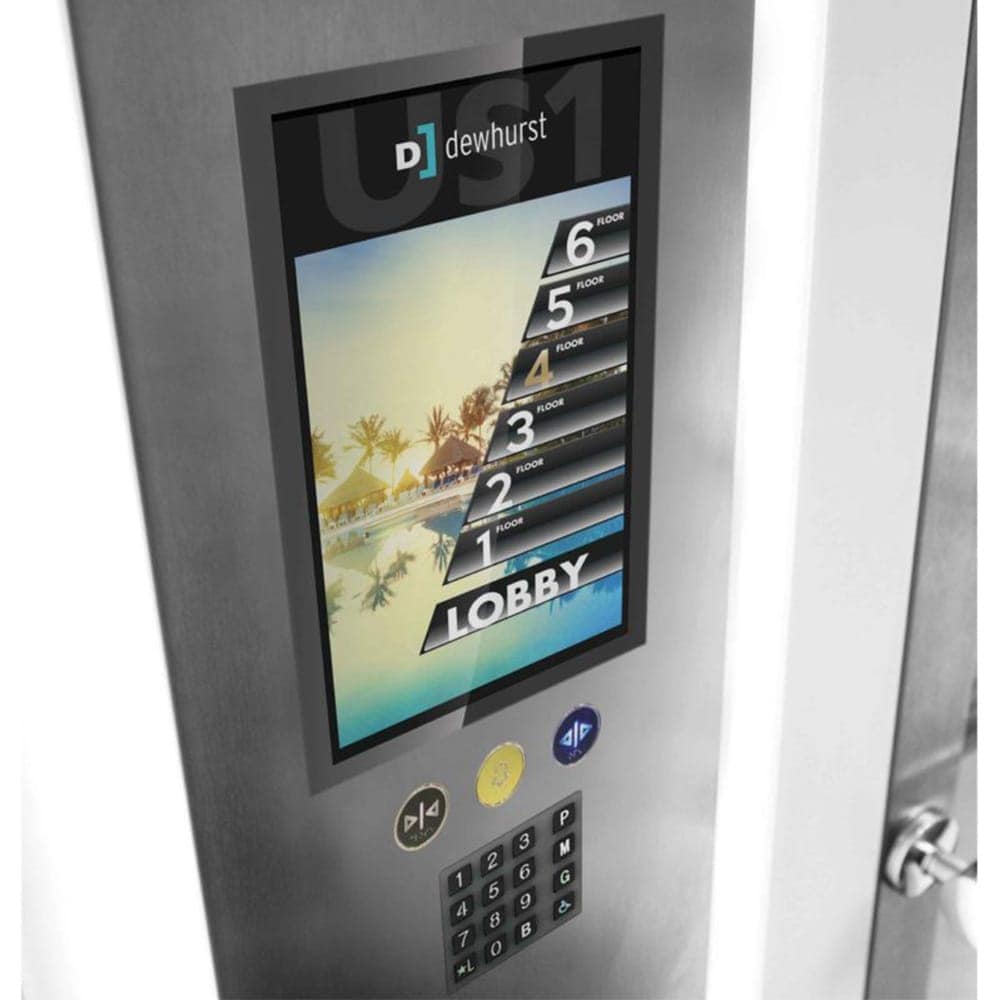
Durability and Hygiene
Touchscreens are easier to clean and disinfect compared to mechanical buttons. This makes them the preferred choice in hospitals, food processing facilities, and outdoor kiosks.
👉 Looking for customized touchscreen solutions to replace buttons in your devices? Reach out to us today.
User Experience
Capacitive panels provide smooth multi-touch gestures, enabling faster navigation. Resistive panels remain relevant in rugged environments where gloves are used.
Conclusion
The replacement of buttons with touchscreens is not just a design choice—it’s a performance upgrade. Devices become more intuitive, more durable, and easier to adapt for future needs.
📩 Want expert advice on switching from buttons to touch interfaces? Send your inquiry here.
