Projected capacitive touch (PCT) has emerged as a pivotal innovation in touch interface technology. Whether it’s your smartphone, an industrial control panel, or a self-service kiosk, PCT is the backbone enabling precise and responsive touch interactions. But what sets this technology apart, and why does it dominate modern applications?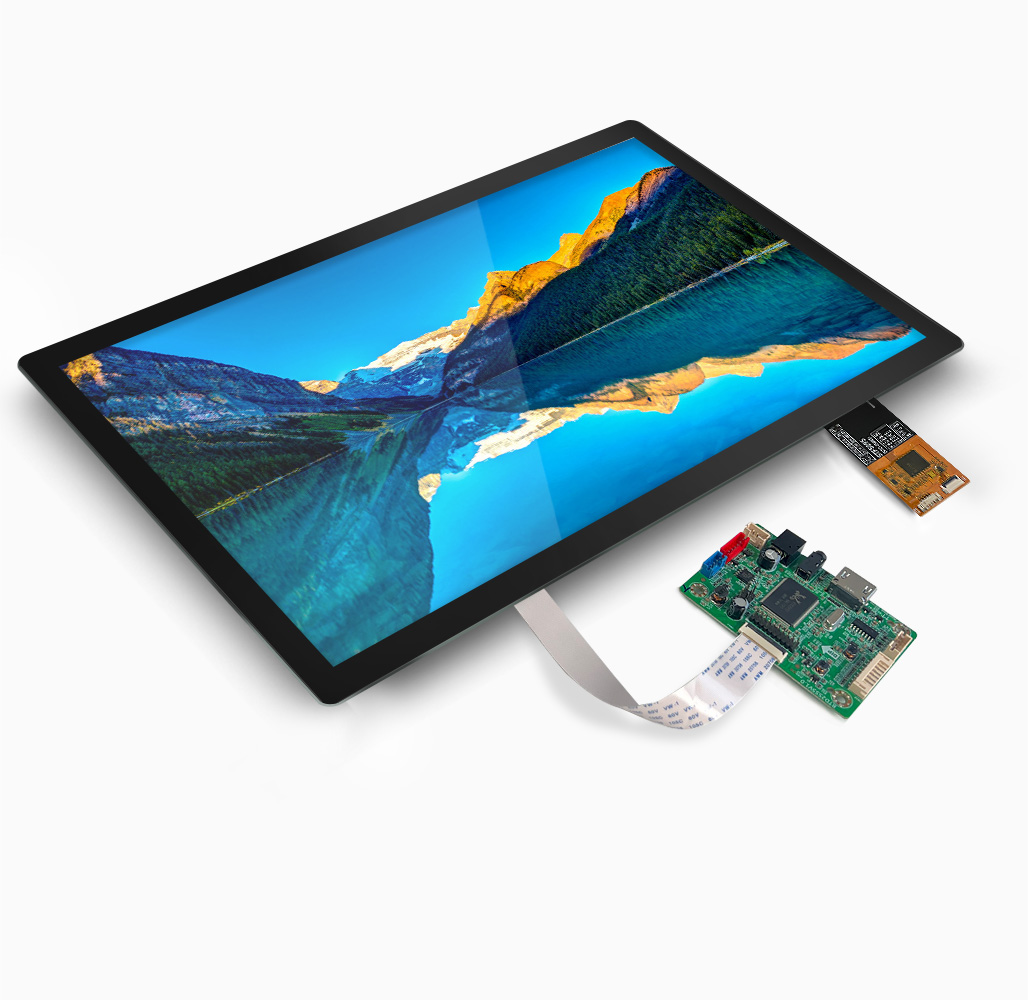

Projected capacitive touch operates on the principle of capacitance changes. When a conductive object like a human finger interacts with the electrostatic field above the touch screen, the system detects and processes these changes to identify touch points.
Unlike resistive touch screens, which rely on pressure, PCT responds to even the slightest interaction. This makes it more durable, responsive, and versatile, supporting multi-touch and gestures seamlessly.
| Feature | Projected Capacitive Touch | Resistive Touch |
|---|---|---|
| Multi-touch Support | Yes | Limited |
| Durability | High | Medium |
| Clarity | Excellent | Moderate |
| Sensitivity | High | Low |
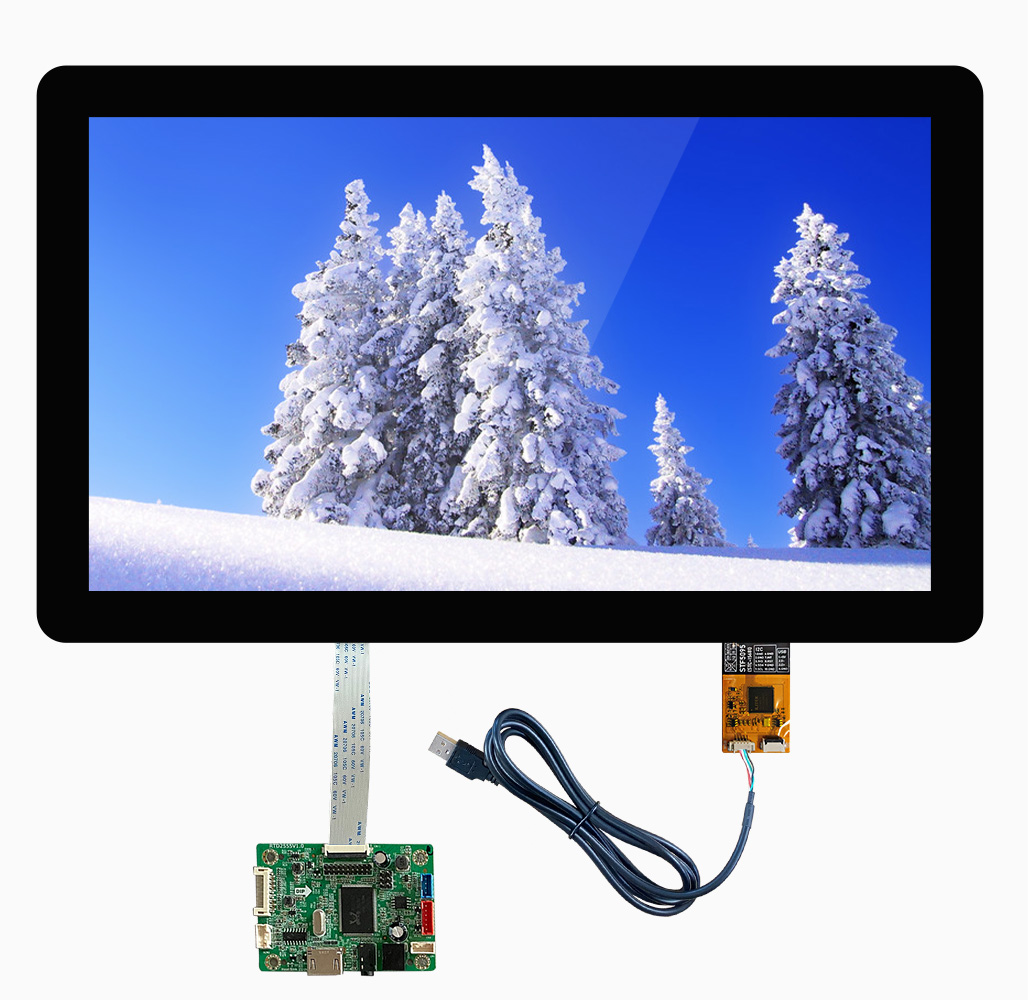
Industries like consumer electronics, automotive, and healthcare have embraced PCT for its ability to deliver reliable, high-performance touch experiences. For instance, car infotainment systems use PCT to ensure precision even under vibration.
Enhanced User Interaction: Multi-touch and gesture capabilities allow for intuitive interactions, such as pinch-to-zoom and swipe gestures.
Durability in Harsh Environments: PCT screens are resistant to scratches, moisture, and extreme temperatures.
High Clarity: With minimal additional layers, PCT screens maintain excellent display clarity.
PCT screens can be sensitive to EMI, which may cause ghost touches or reduce accuracy. Manufacturers counter this by using advanced shielding techniques, but this increases costs.
Standard PCT screens struggle with non-conductive inputs like gloves. However, recent innovations, such as increased sensitivity settings, have addressed these limitations, making PCT viable in medical and industrial settings.
While prices have decreased due to advancements in manufacturing, PCT remains more expensive than resistive touch screens, limiting its adoption in budget-sensitive projects.
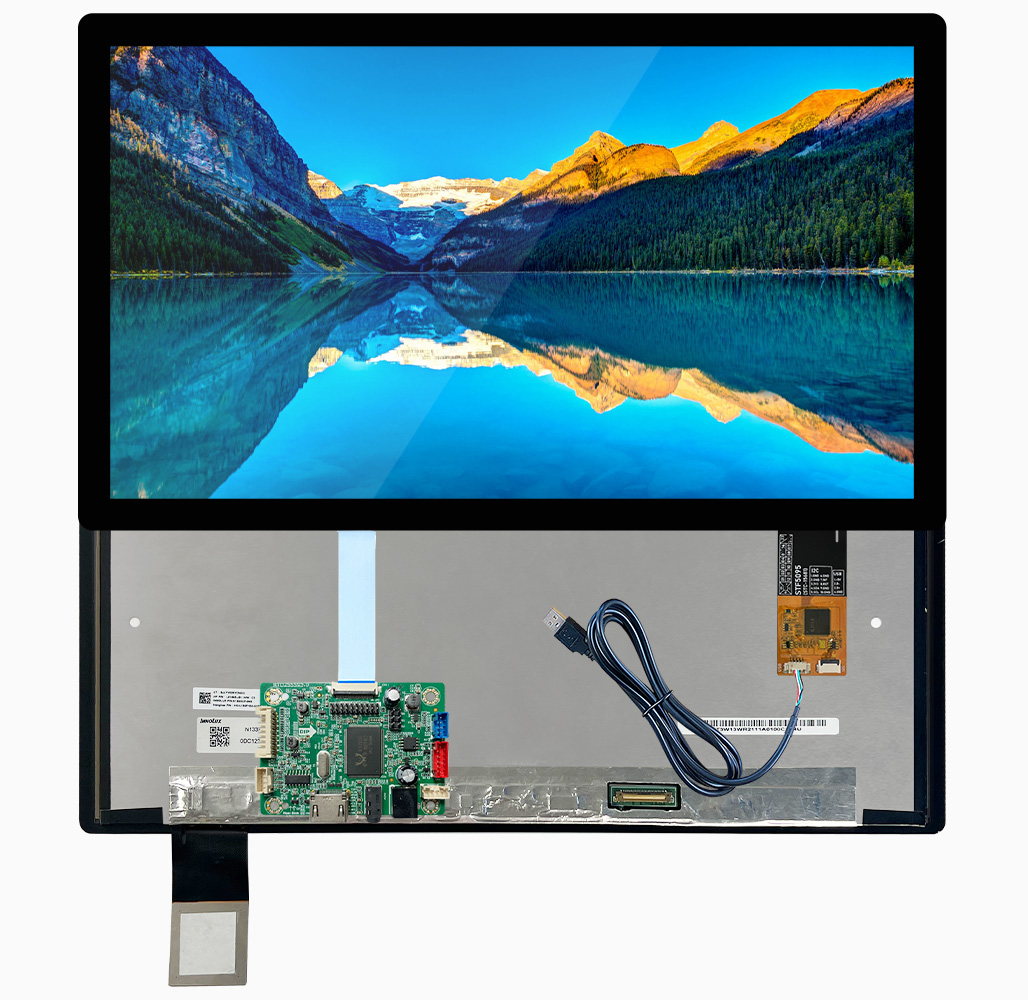
Customizable Touch Options: Integration with flexible displays and shaped screens is becoming a reality.
Advanced Noise Filtering: Solutions like mutual capacitance sensing are reducing interference issues.
AI Integration: Predictive touch technologies are on the horizon, enabling proactive device interactions.
PCT is finding its way into:
Wearables: Smartwatches and fitness trackers.
IoT Devices: Interactive home assistants and smart appliances.
Public Infrastructure: Touch-enabled ticketing systems and digital signage.
| Market Segment | Current Adoption | Potential Growth |
| Consumer Electronics | High | Moderate |
| Automotive | Medium | High |
| Healthcare | Low | High |
| IoT Devices | Low | Very High |
Projected capacitive touch is more than just a technological advancement; it’s a foundational element for future human-machine interactions. As industries continue to innovate, PCT will likely expand its dominance, adapting to new environments and applications.
External Links for Further Reading

