Learn all about touch screen LCD displays, their types, benefits, and applications in industries like consumer electronics, medical, and more.
Touch screen LCD displays have become an essential part of modern technology. Whether for smartphones, tablets, or industrial applications, their versatility and ease of use make them a popular choice in various industries. But what exactly makes touch screen LCD displays stand out, and how do they compare to other display technologies?

Table of Contents
- What is a Touch Screen LCD Display?
- How Do Touch Screen LCD Displays Work?
- What Are the Types of Touch Screen LCD Displays?
- What Are the Benefits of Touch Screen LCD Displays?
- Where Are Touch Screen LCD Displays Used?
- How Do Touch Screen LCD Displays Compare to Other Display Technologies?
- Conclusion
- External Links Recommendation
What is a Touch Screen LCD Display?
Touch screen LCD displays combine two essential technologies: liquid crystal displays (LCD) and touch-sensitive capabilities. LCDs are known for their high-quality image display, while touch technology allows users to interact directly with the screen.
Key Features of Touch Screen LCD Displays:
- LCD Technology: Liquid crystal displays use a liquid crystal solution between two polarizing filters to display images.
- Touch Functionality: The display is sensitive to touch inputs, such as taps, swipes, and gestures.
How Do Touch Screen LCD Displays Work?
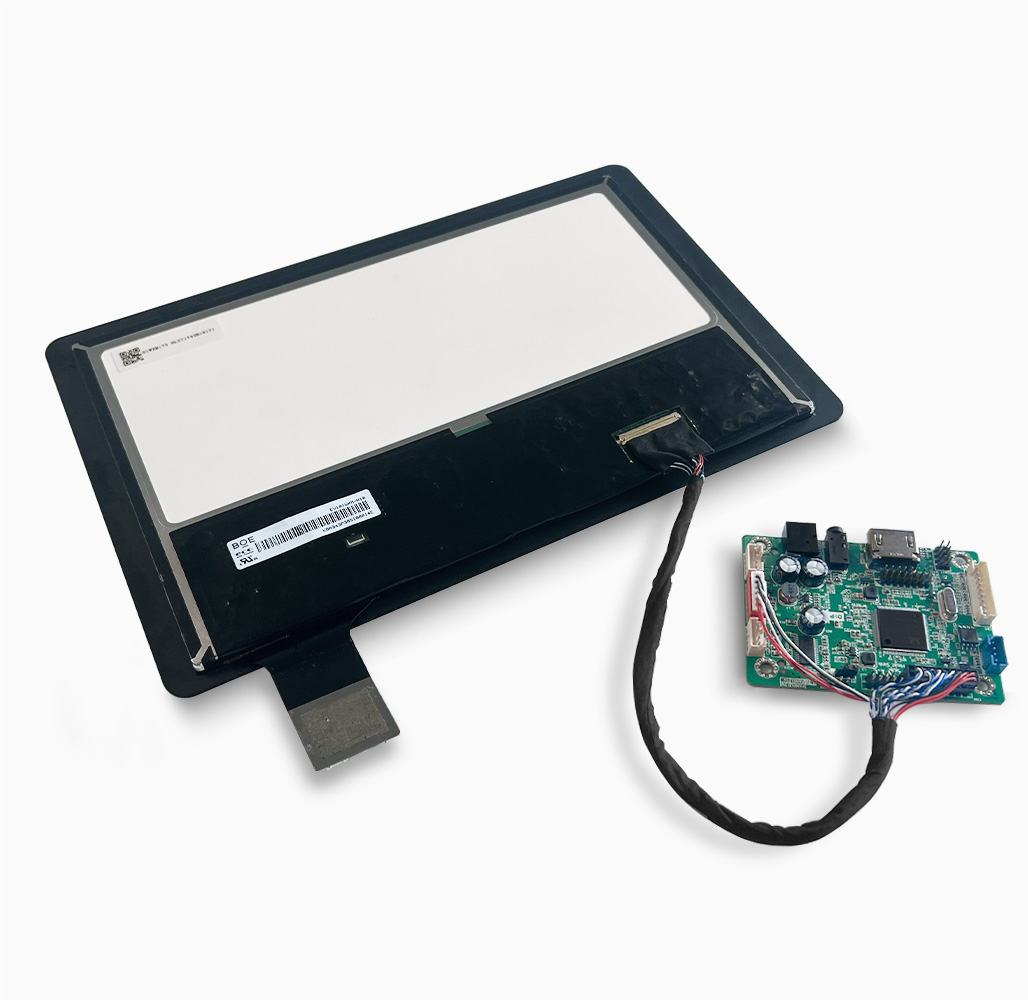
Touch screen LCD displays work by integrating touch sensors into the display panel. These sensors detect the location of your touch and translate it into commands that the device can understand.
Working Principle:
- Capacitive Sensors: These sensors detect changes in the electrical field when a finger touches the screen.
- Resistive Sensors: These sensors rely on pressure applied to the screen, making them suitable for stylus use as well.
The LCD provides the visual display, while the touch sensors convert physical input into digital data for further processing.
What Are the Types of Touch Screen LCD Displays?
Touch screen LCDs come in different types, depending on the technology used for touch detection. Understanding the types can help you choose the best display for your needs.
Capacitive Touch Screens:
- Best for: Smartphones, tablets, and high-end devices.
- Features: High responsiveness, supports multi-touch.
Resistive Touch Screens:
- Best for: Industrial and outdoor applications.
- Features: Reliable with gloves, stylus compatibility.
Optical Touch Screens:
- Best for: Interactive displays and kiosks.
- Features: No physical touch sensors, uses light to detect touch.
Surface Acoustic Wave (SAW) Touch Screens:
- Best for: Public information displays.
- Features: Uses sound waves to detect touch.
What Are the Benefits of Touch Screen LCD Displays?
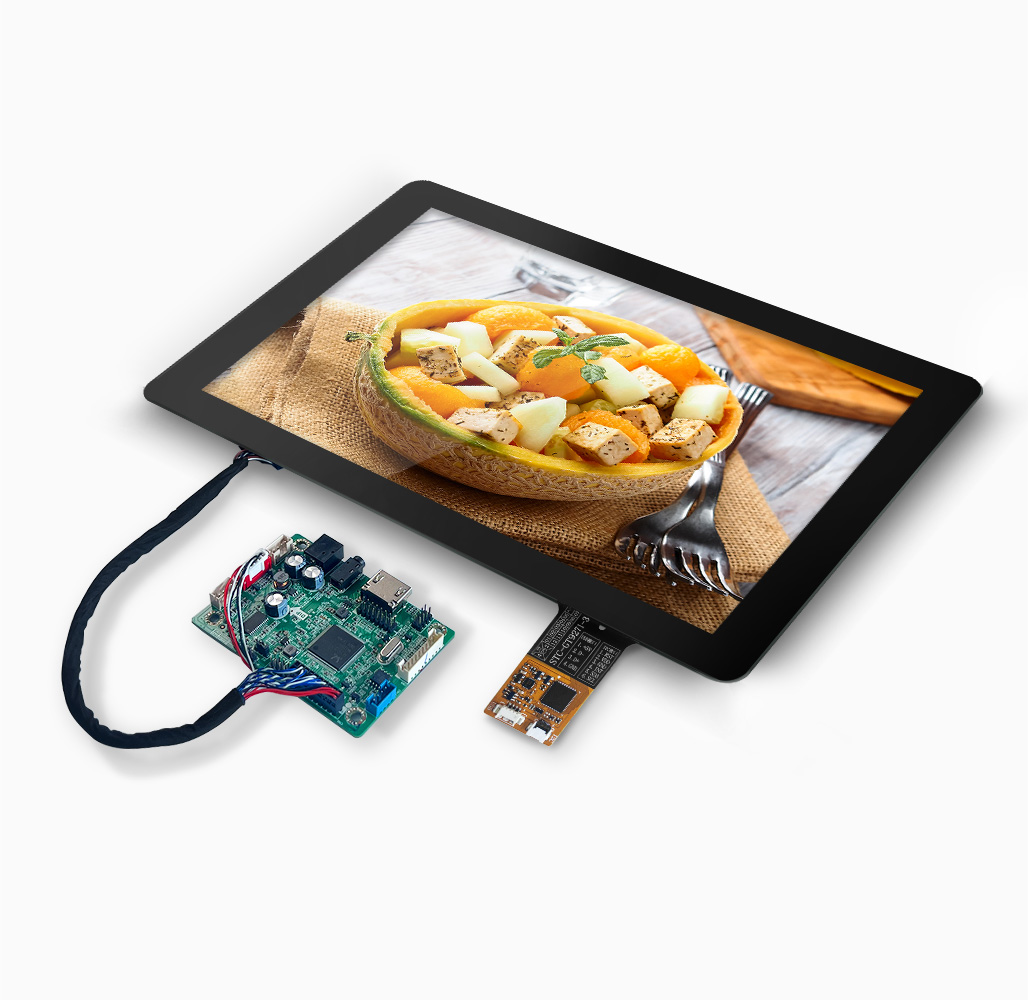
Touch screen LCD displays offer numerous advantages, making them ideal for both consumer and industrial use.
Key Benefits:
- Enhanced User Experience: Touch screens provide intuitive and direct interaction with devices, reducing the need for external peripherals.
- Space-Saving: Since the display and input devices are integrated, touch screen LCDs save space in various applications.
- Durability: Touch screens are often designed to withstand wear and tear, especially in industrial environments.
- Energy Efficiency: Modern LCDs consume less power compared to older display technologies, making them more eco-friendly.
Where Are Touch Screen LCD Displays Used?
Touch screen LCD displays are widely used across various industries due to their versatility.
Common Applications:
- Consumer Electronics:
- Smartphones, tablets, and laptops.
- Medical Devices:
- Patient monitors, diagnostic equipment.
- Retail:
- Point-of-sale systems, self-checkout kiosks.
- Industrial Settings:
- Factory automation, machinery control panels.
- Automotive:
- In-vehicle infotainment systems.
How Do Touch Screen LCD Displays Compare to Other Display Technologies?
When choosing between touch screen technologies, it’s important to compare their pros and cons. Let’s see how touch screen LCD displays stack up against other display types.
| Feature |
Touch Screen LCD |
OLED Display |
LED Display |
| Touch Sensitivity |
Capacitive/Resistive |
Capacitive |
Capacitive/Resistive |
| Power Consumption |
Low |
Very Low |
Moderate |
| Image Quality |
Moderate to High |
Very High |
High |
| Durability |
High |
Moderate |
Moderate |
| Cost |
Moderate |
High |
Low to Moderate |
Conclusion
Touch screen LCD displays have revolutionized the way we interact with technology. Whether for consumer electronics or industrial applications, they provide reliable, durable, and efficient solutions. Their diverse applications, along with continuous advancements in technology, make them an essential component in modern displays.
External Links Recommendation


