In a world dominated by touchscreens, various technologies have emerged to cater to the growing demand for intuitive interfaces. One such technology that has stood the test of time, despite the rise of more advanced alternatives, is the touch resistive screen. This pressure-sensitive technology offers distinct advantages over capacitive touchscreens, particularly in certain industrial and environmental settings. But what exactly are the benefits of touch resistive screens, and why are they still a preferred choice for many applications today?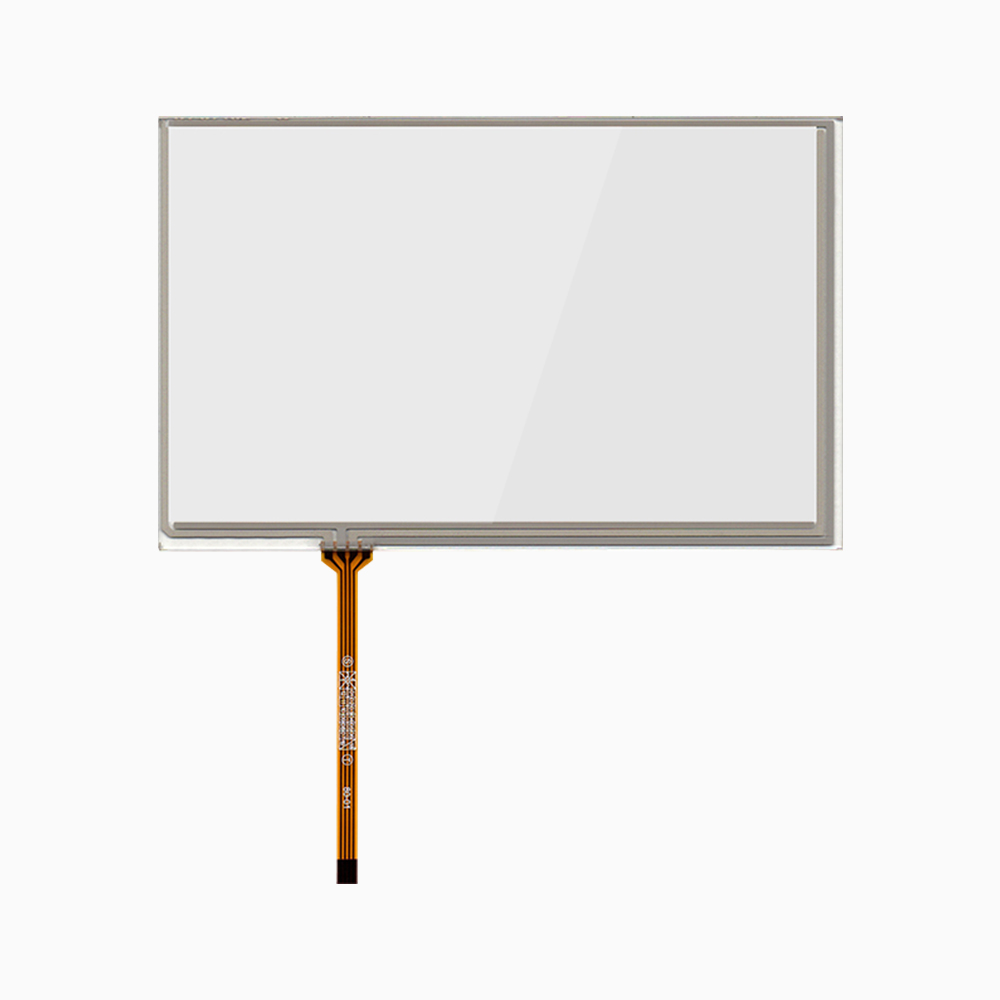
Touch resistive technology relies on pressure to register inputs, unlike capacitive screens, which depend on electrical conductivity. Its robust nature, resistance to harsh environments, and versatility in input methods make it an ideal choice for industrial control systems, handheld devices, and even healthcare equipment. However, its limitations, such as lower sensitivity and inability to support multi-touch, mean that it is not suitable for all use cases. Understanding these strengths and weaknesses will help you make an informed decision about when to use resistive screens.
As we delve deeper into the functionality, applications, and ongoing relevance of resistive touchscreen technology, we will explore how it stacks up against its competitors and what makes it the go-to solution in many specialized industries.
Touch resistive screens are an established form of touchscreen technology that functions through pressure applied to the screen's surface. Unlike their capacitive counterparts, resistive screens require a physical touch to register a response, which is why they are often referred to as "pressure-based" screens.
Typically made of two layers separated by tiny air gaps or microdots, a resistive touchscreen detects pressure when the two conductive layers come into contact. This technology can respond to any object – whether it’s a finger, stylus, or gloved hand. While not as sensitive as capacitive touchscreens, resistive screens are still widely used due to their robustness and versatility in challenging environments.
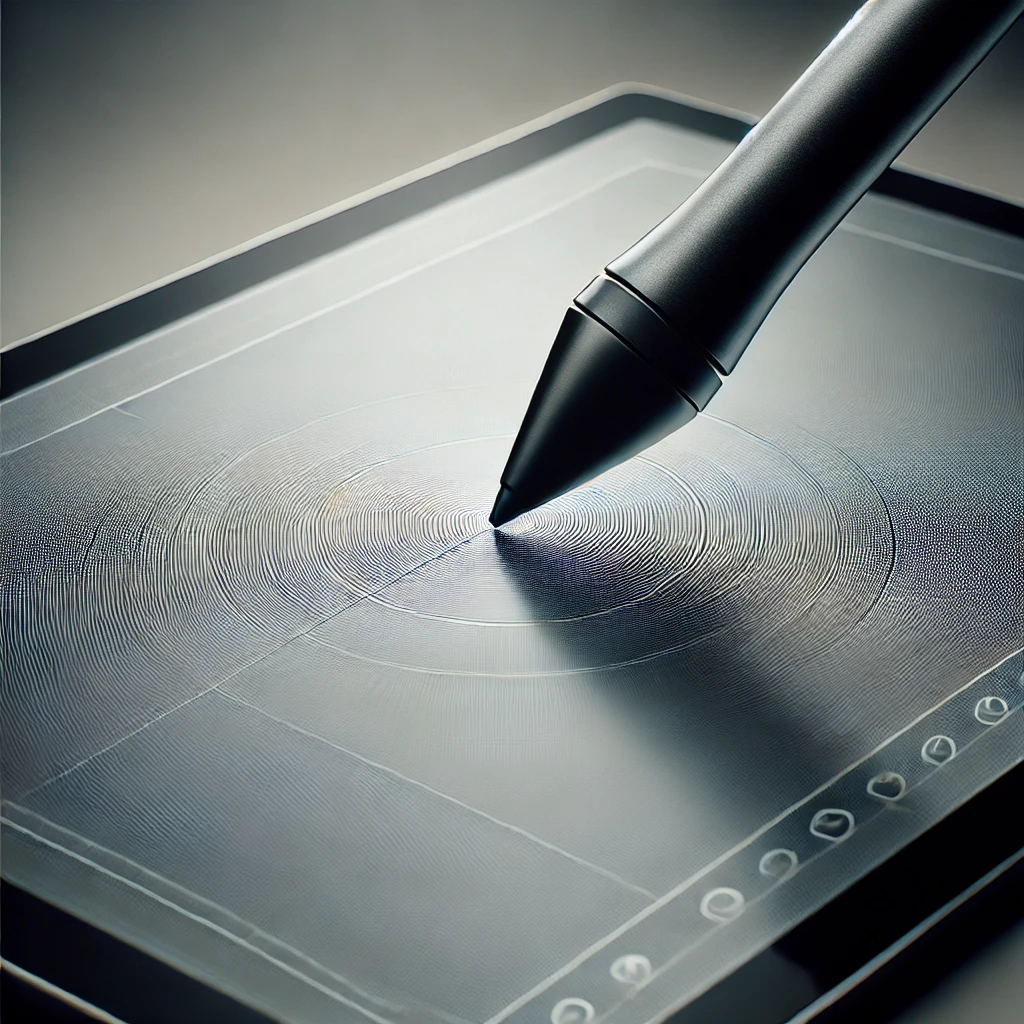
The operation of a resistive screen is simple yet effective: when pressure is applied to the screen, the two layers inside the screen meet, and the system calculates the exact location of the touch by measuring the voltage difference. While this might sound basic, the technology can still offer high resolution and precise touch input, especially when paired with an efficient controller.
Despite being less sensitive to light touch and unable to support multi-touch gestures, resistive screens are invaluable in environments where precision and durability are more critical than fast, fluid interactions.
A resistive touchscreen works by detecting pressure changes when a user applies force to its surface. The two conductive layers in a resistive screen, separated by an air gap, come into contact when pressed. This pressure is then detected by the screen’s controller, which translates the touch into coordinates for the device to respond accordingly.
What makes this technology unique is its ability to register touch from almost any object, from a finger to a pen or stylus. However, the pressure sensitivity means it can be less responsive to light touches, requiring more intentional contact than capacitive screens.
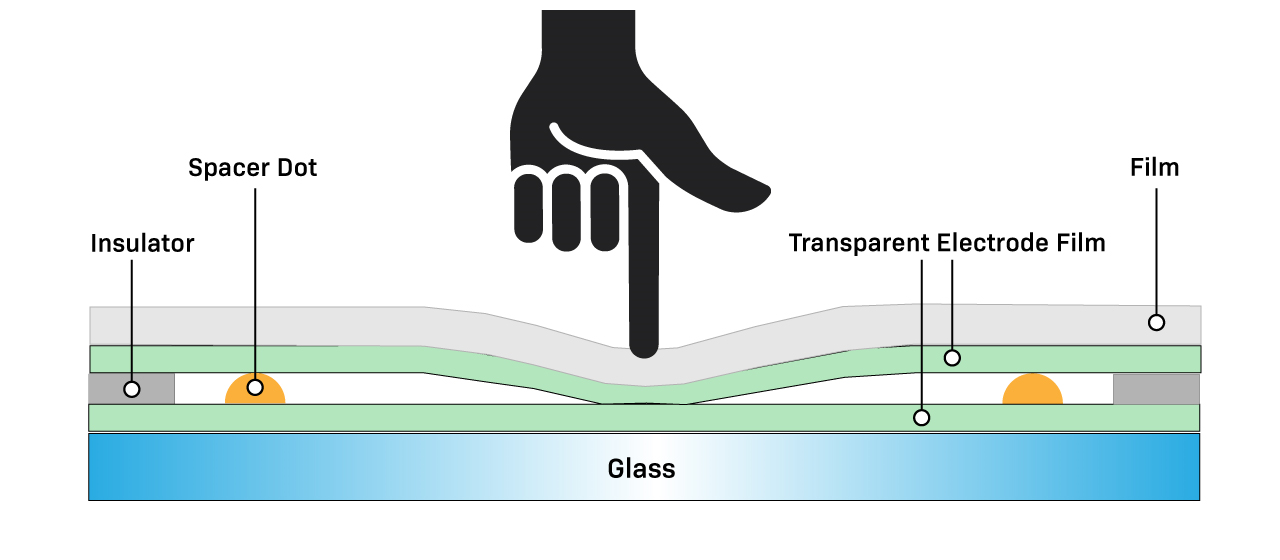
Resistive screens are composed of several layers. The top layer is often a flexible plastic sheet, while the bottom layer is a rigid glass panel. Both layers are coated with transparent conductive material. When pressure is applied, the top layer is pressed against the bottom, creating an electrical connection. The touchscreen controller then calculates the coordinates based on the pressure point.
Although this process may seem rudimentary compared to capacitive touchscreens, it makes resistive screens ideal for environments where gloves or other tools are used for input.
Touch resistive screens have several distinct advantages, making them the preferred choice for certain applications, especially in industrial, healthcare, and field settings. These advantages primarily stem from their durability, versatility, and lower cost.
Some of the key benefits of resistive screens include their low cost, resistance to extreme environments (e.g., moisture, dust, and chemicals), and ability to detect touch from any material. They are also more durable than many capacitive screens and can continue to function even in challenging conditions.
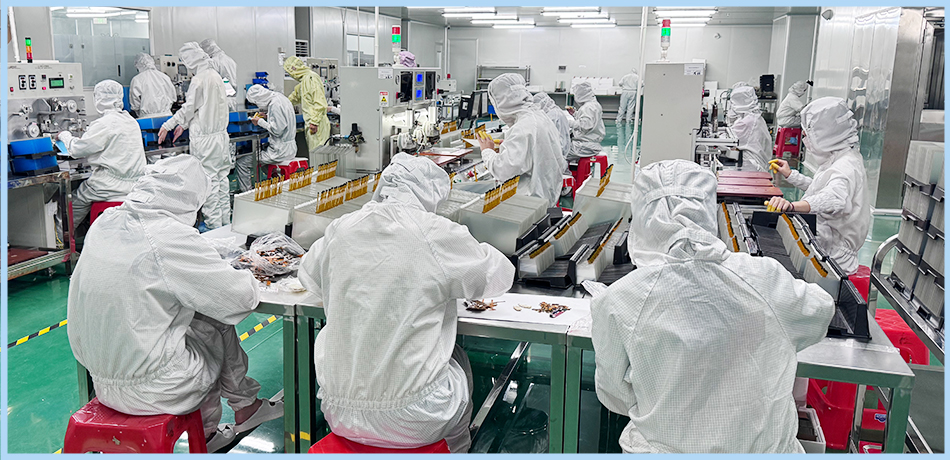
One of the most significant advantages of resistive screens is their robustness. They can withstand exposure to dust, chemicals, and moisture, making them ideal for use in manufacturing plants, laboratories, or outdoor environments. Additionally, their ability to function with gloves or styluses gives them an edge in industrial and medical fields where hands-on interaction is often required.
While resistive screens may not offer the high sensitivity or advanced features of capacitive screens, their affordability, durability, and versatility in harsh environments make them indispensable in several sectors.
Despite their advantages, touch resistive screens are not without drawbacks. These limitations primarily stem from the technology’s reliance on pressure and its inability to handle certain tasks that capacitive screens excel at.
The most notable disadvantages of resistive screens include their lower sensitivity, inability to detect multi-touch gestures, and potential for reduced visual clarity due to the multiple layers required in their construction.

Resistive screens struggle with fast or light touches, and they do not support multi-touch functionality, which is increasingly demanded by modern applications. The additional layers involved in their construction can also reduce the clarity of the display, making them less ideal for tasks requiring high-definition visuals.
While resistive screens offer certain advantages, their limitations in responsiveness and visual quality mean they are not the best choice for applications that require advanced touch interactions.
Resistive touchscreen technology may be less common in consumer electronics, but it is still widely used in various specialized industries. Its robustness and versatility make it a staple in environments that demand high durability.
Some of the most common applications for resistive touchscreens include industrial machinery, medical devices, point-of-sale systems, and automotive interfaces.

Resistive screens are particularly well-suited for environments exposed to dust, moisture, and chemicals, such as factories and hospitals. They are also widely used in devices that require precision input, such as handheld barcode scanners and military equipment.
The ability of resistive screens to function under a wide variety of conditions makes them an essential technology in industries where reliability and durability are paramount.
When evaluating touchscreen technologies, resistive and capacitive are often compared. While capacitive screens are now the dominant technology in consumer devices, resistive screens still hold a competitive edge in certain use cases.
Capacitive touchscreens offer higher sensitivity and support multi-touch gestures, but resistive screens excel in durability and cost-effectiveness. Depending on the application, one technology may be more suitable than the other.
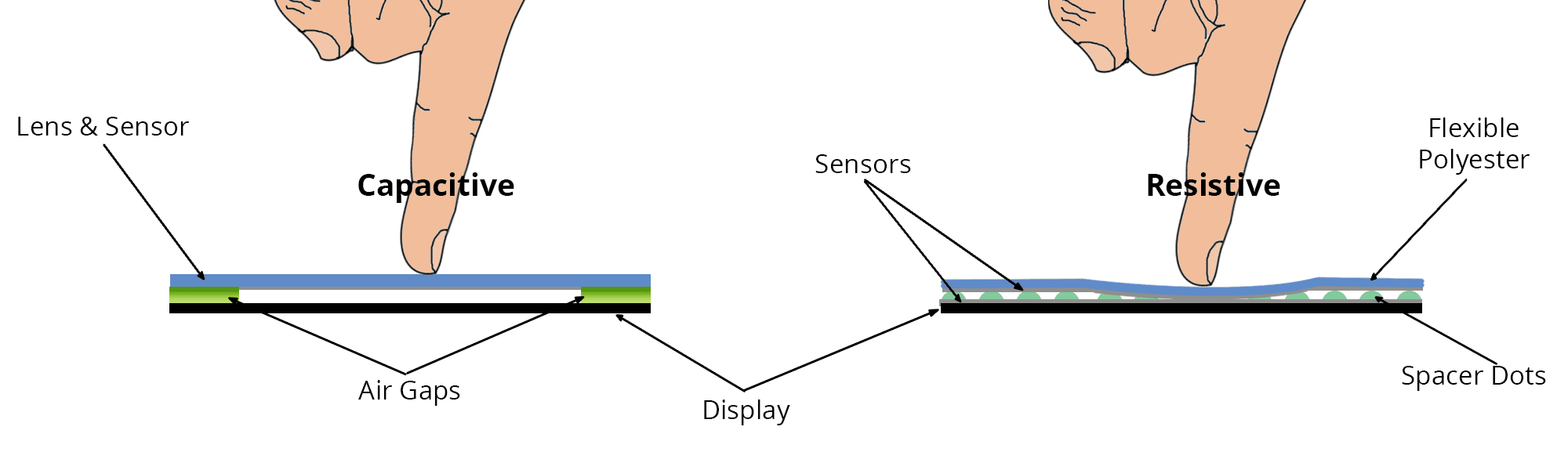
Capacitive touchscreens have many advantages in terms of sensitivity and clarity, but resistive screens outperform them in environments where durability is key. Whether it’s due to cost, environmental factors, or the need for precise input, resistive screens continue to find their place in industries that require reliability over features.
For environments where cost-effectiveness and ruggedness are more important than advanced features, resistive technology remains a solid choice.
As touch technology continues to evolve, one might wonder if resistive screens will maintain their relevance or be replaced entirely by more advanced technologies like capacitive or optical touch systems.
While resistive screens may not support the advanced features of newer touch technologies, they still offer advantages in specific markets. With ongoing innovation, it’s possible that resistive touch technology could evolve to meet new demands.

The future of resistive touchscreen technology may lie in enhancing its sensitivity and visual clarity while maintaining its cost-effective, rugged nature. With continued development, resistive screens may find new applications in fields requiring precision and durability.
Though it faces stiff competition from other technologies, resistive touchscreens still have a place in the market and may evolve to meet future challenges.
As we’ve seen, touch resistive technology may not be as advanced as capacitive touch, but it continues to offer key advantages in terms of affordability, durability, and versatility. For industries where ruggedness and precision are more important than the latest features, resistive screens remain a reliable choice. While capacitive and other touch technologies dominate the consumer market, resistive touch remains vital in specialized applications.

