
Over the past decade, I’ve witnessed cities and governments adopt touchscreens not just as digital signage but as powerful tools for communication, navigation, and engagement. Public information systems today depend heavily on interactive touch technologies to provide accessibility and real-time information to millions of users worldwide.
Enhancing Accessibility for Citizens
One of the primary advantages of public touchscreens is accessibility. Unlike static boards or paper-based systems, digital kiosks can offer multiple languages, audio assistance, and visual cues for people with disabilities. In my experience, transport hubs adopting touchscreens reduced confusion and improved passenger satisfaction significantly.
Real-Time Information Delivery
Public services thrive on real-time data. Touchscreens integrated with back-end systems can instantly update train schedules, bus arrivals, or emergency alerts. Unlike traditional posters, they adapt dynamically. For example, airports use large capacitive touch panels to deliver live updates, replacing manual announcements with interactive, user-driven information.
Wayfinding and Navigation
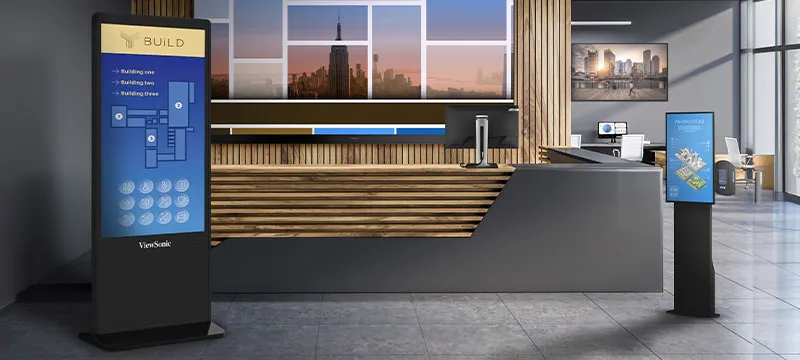
Wayfinding is where touchscreens truly shine. In large malls, hospitals, and government offices, interactive maps allow visitors to search for locations, get walking directions, and even print QR codes for navigation. Resistive touchscreens were once common here, but today, capacitive technology dominates due to its responsiveness and durability.
Public Engagement and Smart City Integration
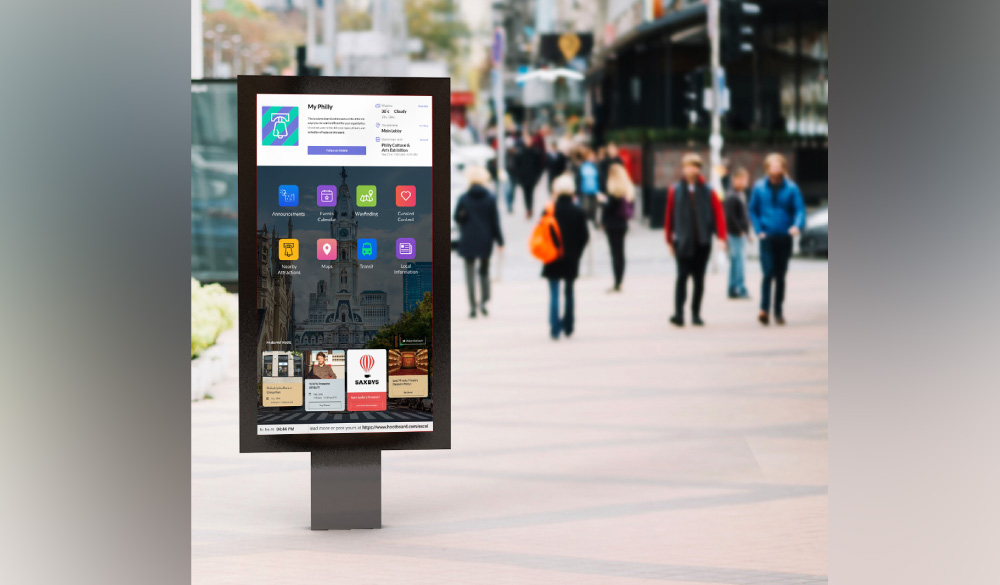
Beyond information, touchscreens also engage the public. Citizens can provide feedback, fill surveys, or access e-government services directly at kiosks. With smart city initiatives rising, these devices are no longer standalone systems—they are integrated into IoT networks, enabling data collection for urban planning and improving overall governance.
Future Outlook
The demand for ruggedized, weather-resistant public touchscreens will only grow as cities become smarter. From solar-powered kiosks in remote areas to large interactive panels in metro stations, touch technology is reshaping how people interact with public systems. The future lies in multi-modal systems that combine touch with voice, gesture, and AI-driven personalization.
