
In recent years, the healthcare industry has experienced a significant transformation, and one of the most important catalysts of this change is touchscreen technology. As a senior engineer with over 10 years of experience in the touchscreen industry, I've seen firsthand how capacitive and resistive touchscreens are revolutionizing medical devices. Whether it's a sophisticated diagnostic tool or a simple patient monitoring system, touchscreens have become indispensable in improving the efficiency, accuracy, and user-friendliness of medical technology.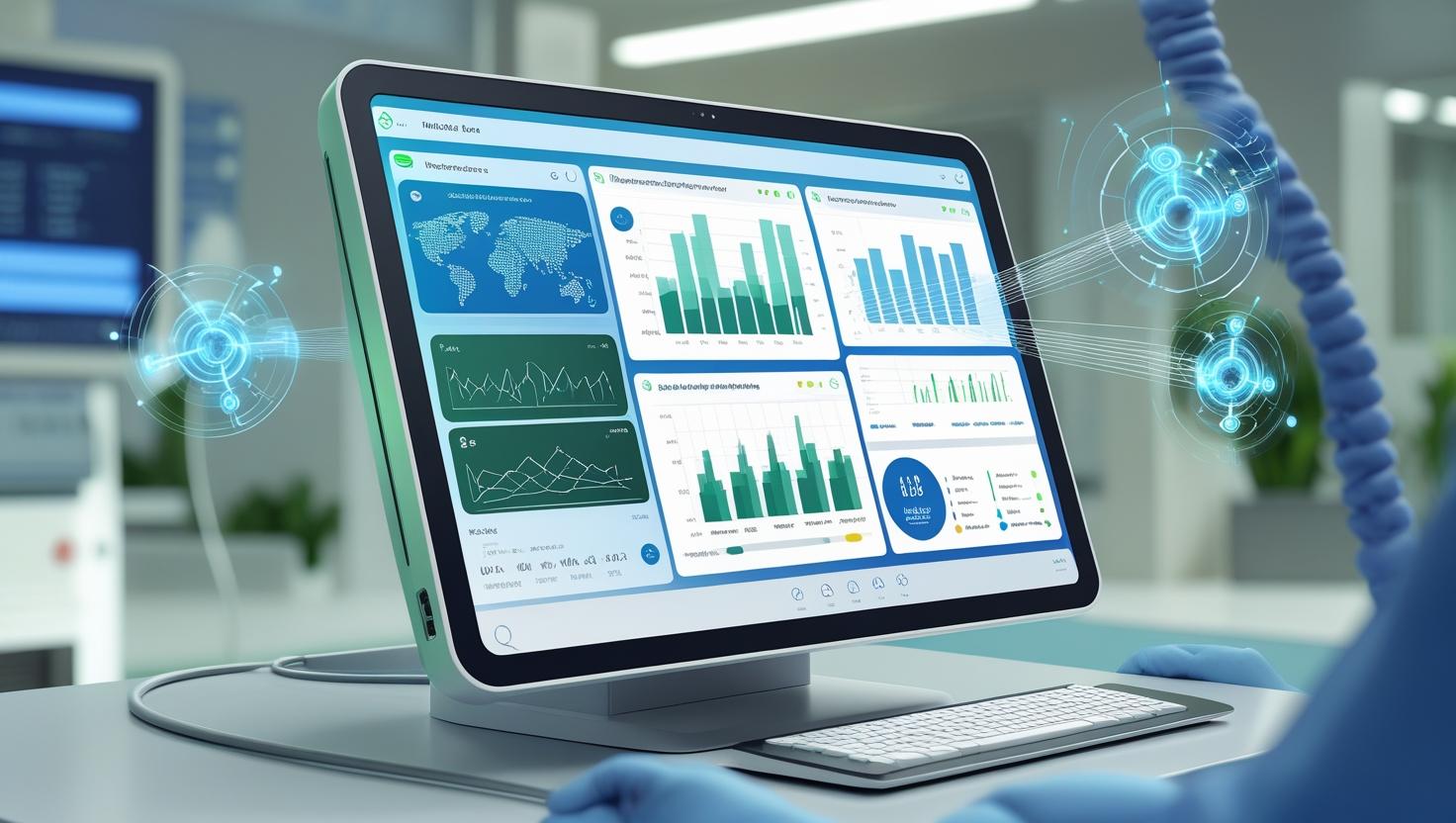
In this article, I’ll highlight the key trends driving the future of touchscreen technology in medical devices. From more responsive and reliable capacitive touchscreens to advancements in medical-grade displays, the healthcare sector is set to benefit from even more innovative and robust touchscreen solutions.
Trend 1: The Shift Towards Capacitive Touchscreens in Medical Devices
Capacitive touchscreens, known for their smooth interface and high responsiveness, have become the go-to choice for medical devices. These touchscreens use the electrical properties of the human finger to create an accurate input, making them ideal for environments where precision is critical.
One of the major advantages of capacitive touchscreens is their ability to detect multiple touch points simultaneously. This multi-touch capability is particularly useful in medical equipment like ultrasound machines, MRI scanners, and patient monitoring systems, where users need to interact with the screen in multiple ways at once.
Why It Matters: Capacitive touchscreens provide medical professionals with faster and more efficient ways to interact with devices, ultimately improving patient care. As healthcare devices evolve to be more connected and intuitive, capacitive touchscreens will play a pivotal role in enhancing user experience and device functionality.
Trend 2: Enhanced Durability and Medical-Grade Standards
Medical environments require screens that can withstand constant use, harsh cleaning protocols, and potential exposure to biological contaminants. For this reason, manufacturers are increasingly turning to medical-grade capacitive touchscreens, which offer enhanced durability, scratch resistance, and antimicrobial properties.
These touchscreens not only meet the stringent standards set by medical regulatory bodies but also improve the safety and hygiene of medical devices. Touchscreen manufacturers are developing coatings and glass types that resist smudging, which is crucial for devices that must be kept clean at all times, such as surgical equipment.
Why It Matters: A more durable, easy-to-clean touchscreen ensures medical devices are safer for patients and healthcare professionals, minimizing the risk of cross-contamination and prolonging the lifespan of the devices.
Trend 3: Integration of Touchscreen Technology with IoT and AI in Medical Devices
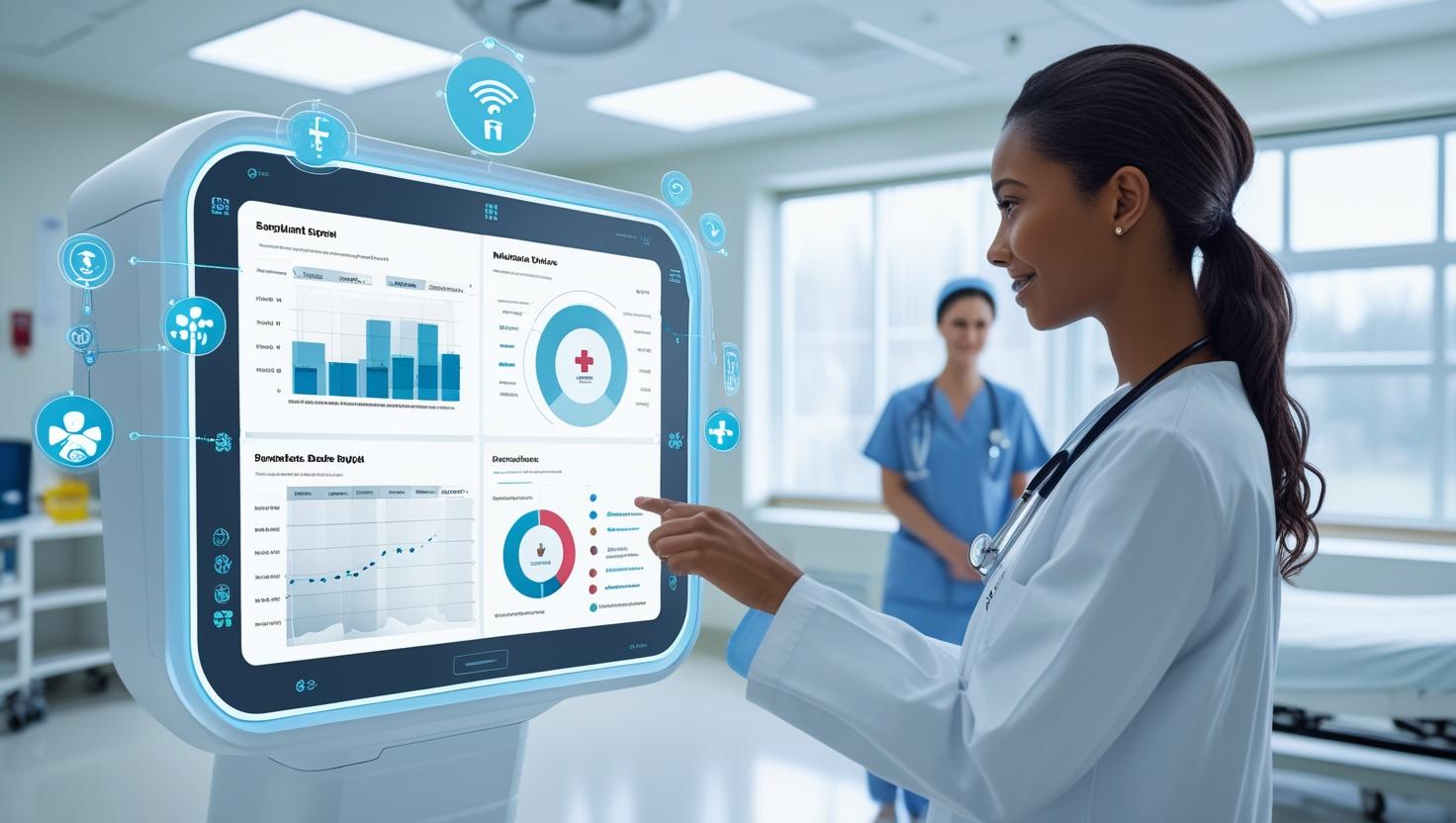
Another exciting development is the growing integration of touchscreen technology with IoT (Internet of Things) and AI (Artificial Intelligence) in medical devices. Today’s medical devices are becoming increasingly connected, with touchscreens acting as the interface for doctors and healthcare workers to interact with real-time data and AI-driven analytics.
For instance, AI-powered diagnostic tools, connected to patient databases and wearable devices, can provide doctors with crucial information directly on the touchscreen interface. This integration allows for more accurate diagnostics, faster response times, and better patient outcomes.
Why It Matters: As the healthcare industry embraces digital transformation, the seamless integration of touchscreen interfaces with smart technologies will improve workflow efficiency and revolutionize patient care.
Conclusion
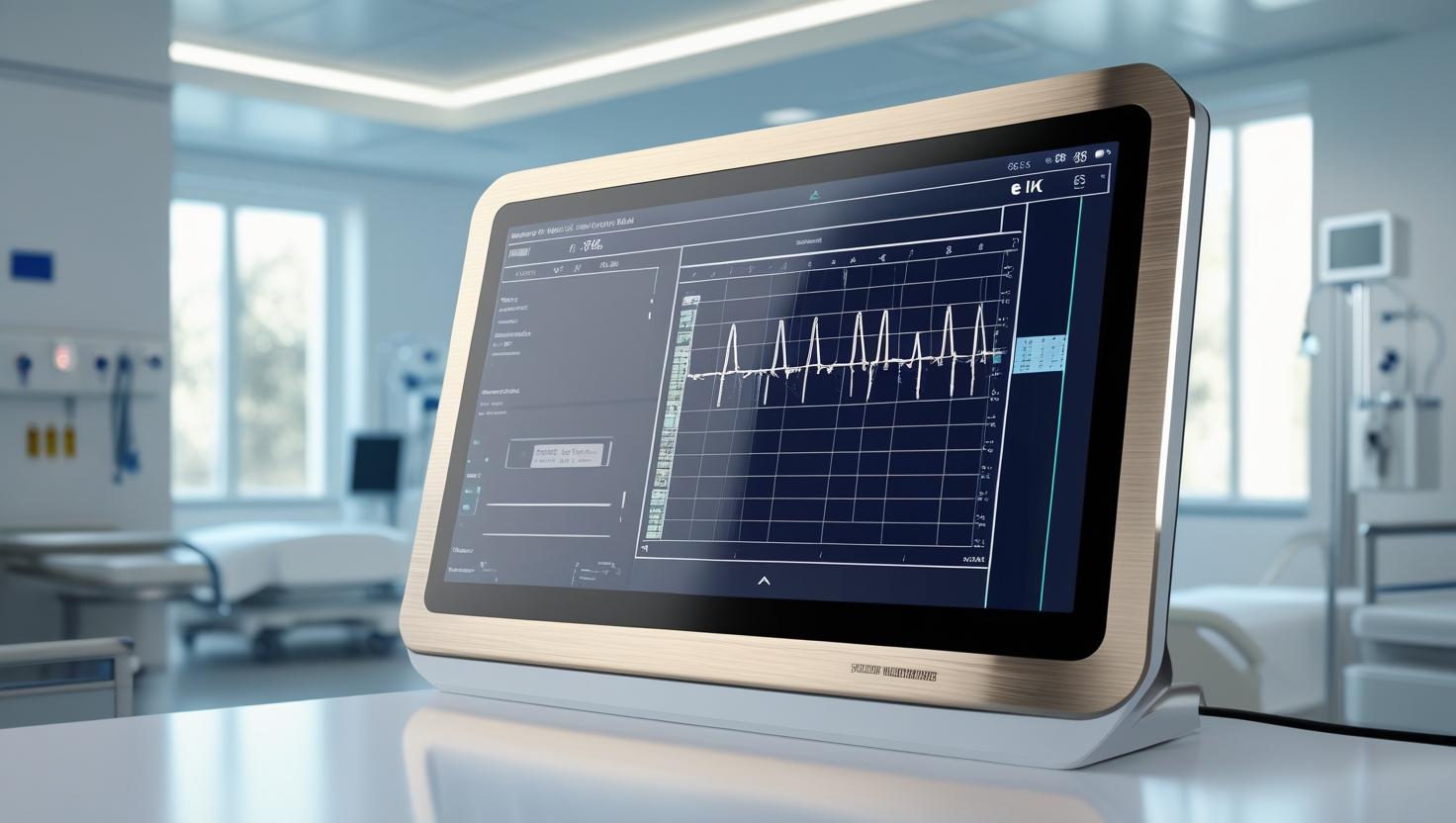
The future of touchscreen technology in medical devices is undeniably exciting. As touchscreens continue to evolve, we can expect to see even more innovative applications in healthcare. Capacitive touchscreens will lead the charge, offering a more intuitive and reliable user interface for medical professionals. Moreover, with the rising need for durable, medical-grade solutions and the integration of AI and IoT, the healthcare industry is set to benefit from more efficient and effective medical devices.
As a supplier with over a decade of experience, we at STouch are committed to staying ahead of these trends, providing high-quality, customizable touchscreen solutions for medical device manufacturers worldwide. Our capacitive and resistive touchscreens are designed to meet the rigorous demands of the healthcare sector, ensuring that you get both performance and reliability.
Next Steps for Medical Device Manufacturers
If you are looking for reliable touchscreen solutions for your medical devices, feel free to contact us. Our team of experts is ready to provide customized solutions that suit your specific needs, whether you require capacitive or resistive touchscreens. Together, we can create the next generation of healthcare technology.
