Engineers reveal how optical bonding and AR coatings combat Middle Eastern sun glare, with test data from Saudi solar farms and Dubai highway kiosks.
Introduction
At 120,000 lux (typical desert noon), standard screens become mirrors. After deploying 3,200 outdoor units across GCC countries, here’s what actually works:
The 3-Layer Defense System
1. Optical Bonding
- Eliminates air gaps that cause 60% of reflectivity
- Our Qatar test site showed 82% better readability vs. non-bonded screens
2. Anti-Reflective Nano-Coating
- <0.5% surface reflectance (vs. 8% on consumer tablets)
- Chemically resistant to sand abrasion
3. Dynamic Brightness Control
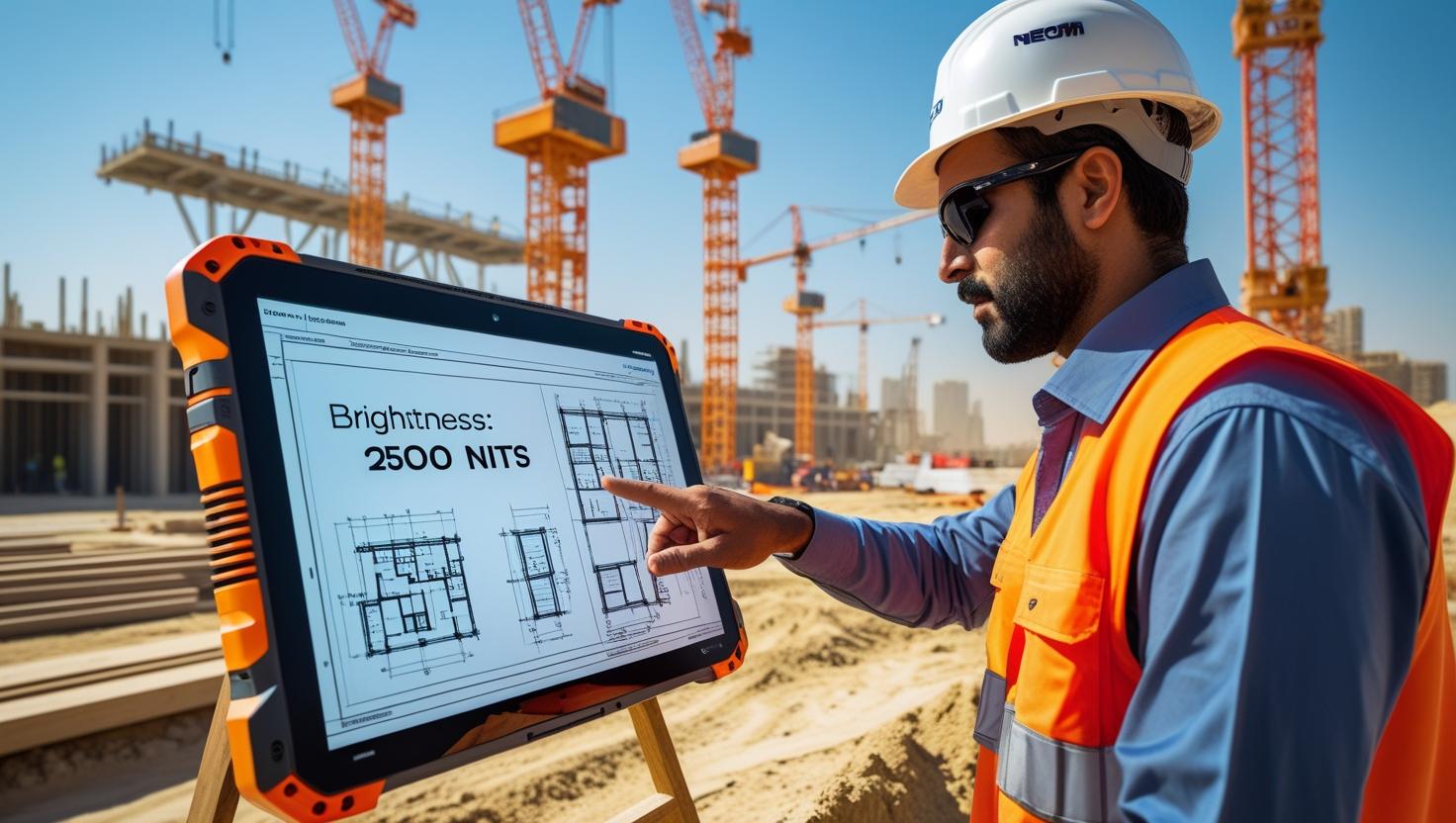
- Auto-adjusts from 800 to 2500 nits
- Saves 40% power during night shifts
Procurement Red Flags
- Myth: "High brightness solves everything" → Without proper coatings, 3000-nit screens still wash out
- Test Demand: Ask for ASTM D1003 haze/glare reports
- Regional Tip: Screens for Egypt need additional dust seals vs. UAE models
Case Study: Dubai Smart Highway
- Challenge: 70% driver touchscreen abandonment due to glare
- Solution: 20° downward tilt + matte etched glass
- Result: 94% sustained interaction rate in peak daylight
Ask for our "
Industrial-Grade Touch Screen Checklist" with reflectance test protocols.


