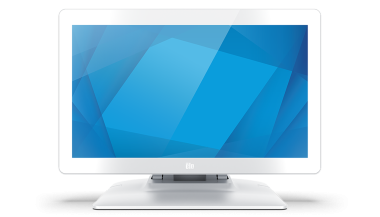
Medical-grade touch screens must adhere to stringent certification standards that ensure safety, reliability, and compatibility with healthcare environments. These certifications are non-negotiable for equipment used in patient care settings.
IEC 60601-1: The Foundation of Medical Device Safety
The International Electrotechnical Commission (IEC) 60601-1 standard is the cornerstone of medical device safety. Currently in its 4th edition, this standard establishes requirements for basic safety and essential performance of medical electrical equipment. For touch screens, compliance with IEC 60601-1 encompasses:
- Electrical Safety: Strict limits on leakage current to prevent patient harm
- Mechanical Stability: Resistance to physical stress and accidental impacts
- Thermal Management: Prevention of excessive heat generation
- Risk Management: Comprehensive documentation of potential hazards and mitigation strategies
Medical touch screens must undergo rigorous testing by certified laboratories to verify compliance with these requirements. The certification process includes detailed documentation, physical testing, and ongoing compliance monitoring.
STOUCH's medical-grade touch screens are certified to IEC 60601-1 4th edition standards, ensuring they meet or exceed all safety requirements for integration into critical care equipment.
EMC Standards: Ensuring Electromagnetic Compatibility
In healthcare environments filled with sensitive electronic equipment, electromagnetic compatibility (EMC) is crucial. Medical-grade touch screens must comply with IEC 60601-1-2, which governs electromagnetic disturbances.
Key EMC requirements include:
- Immunity to External Interference: Touch screens must maintain functionality despite nearby electromagnetic fields from other medical devices
- Limited Emissions: The touch screen itself must not emit electromagnetic radiation that could interfere with other critical equipment
- Surge Protection: Resistance to power surges and electrical transients
EMC testing involves subjecting the touch screen to various electromagnetic challenges while monitoring for any performance degradation. This ensures the device will function reliably in the complex electromagnetic environment of modern healthcare facilities.
IP Ratings for Medical Environments
Ingress Protection (IP) ratings are particularly important for medical touch screens, which must withstand frequent cleaning and disinfection. Most medical-grade touch screens require a minimum rating of IP54, indicating:
- Dust Protection: Level 5 protection against dust ingress, allowing minimal dust entry but not enough to interfere with operation
- Water Resistance: Level 4 protection against water splashing from any direction
Higher-end medical touch screens often feature IP65 or even IP67 ratings, making them suitable for operating rooms and other environments where thorough cleaning is essential.
Additional Healthcare-Specific Certifications
Beyond the core standards, medical touch screens may require additional certifications depending on their specific application:
- FDA 510(k) Clearance: Required for touch screens integrated into medical devices marketed in the United States
- MDR Compliance: Essential for medical devices sold in the European Union under the Medical Device Regulation
- ISO 13485: Quality management system standard specific to medical devices
- UL 60601-1: The Underwriters Laboratories version of IEC 60601-1, often required for the North American market
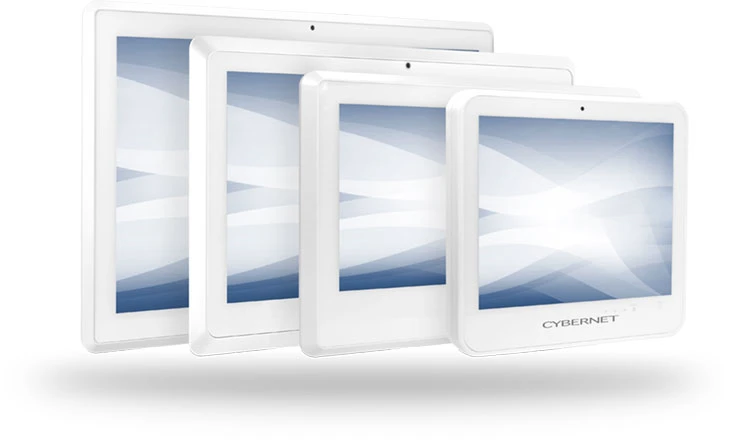
IEC 60601-1 certification standards for medical-grade touch screen monitors
Medical environments present unique challenges that require specialized touch screen features beyond standard industrial applications.
Antimicrobial Properties
Healthcare-associated infections (HAIs) remain a significant concern in medical facilities. Touch screens, as frequently touched surfaces, can become vectors for pathogen transmission. Medical-grade touch screens address this through:
- Antimicrobial Glass Treatments: Surface coatings containing silver ions or other antimicrobial compounds that inhibit bacterial growth
- Seamless Design: Elimination of crevices and gaps where pathogens could accumulate
- Chemical Resistance: Ability to withstand frequent cleaning with hospital-grade disinfectants without degradation
STOUCH's medical touch screens feature proprietary antimicrobial glass treatments that have demonstrated up to 99.9% reduction in common bacterial populations in laboratory testing.
Optical Performance in Medical Settings
Diagnostic accuracy often depends on display quality, making optical performance critical for medical touch screens:
- High Brightness: Typically 350-500 nits minimum to ensure visibility in well-lit medical environments
- Excellent Contrast Ratio: 1000:1 or higher for accurate rendering of medical images
- Wide Viewing Angles: At least 170° to allow multiple healthcare providers to view the screen simultaneously
- Color Accuracy: Precise color reproduction, particularly important for diagnostic imaging applications
For specialized applications like radiology, even higher specifications may be required, including brightness levels exceeding 800 nits and contrast ratios above 1500:1.
Reliability and Longevity Requirements
Medical equipment typically has a longer expected service life than consumer or even standard industrial devices. Medical-grade touch screens must be engineered for:
- Extended Operating Hours: 24/7 operation capability for critical care equipment
- Long Product Lifecycles: Availability of identical replacement parts for 7-10 years
- Low Failure Rates: Mean Time Between Failures (MTBF) ratings of 50,000+ hours
- Stable Performance: Consistent touch response and display quality throughout the device lifespan
These reliability requirements necessitate higher-grade components and more robust engineering than standard touch screens, contributing to the premium cost of medical-grade solutions.
Different medical applications have distinct requirements that influence the optimal touch technology choice.
Projected Capacitive (PCAP) Technology
PCAP has become the dominant technology for most medical applications due to its:
- Superior Optical Clarity: Essential for diagnostic applications
- Multi-Touch Capability: Enables intuitive gesture controls for complex medical software
- Durability: No moving parts, resulting in longer operational life
- Sealed Surface: Can be completely sealed for infection control
PCAP is ideal for patient monitoring systems, diagnostic equipment, and medical imaging devices where image quality and intuitive interaction are paramount.
Surface Acoustic Wave (SAW) Technology
For specific medical applications, SAW technology offers advantages:
- Excellent Optical Clarity: Nearly 100% light transmission
- Highly Accurate Touch Response: Precision touch positioning
- Activation by Any Input Method: Can be operated with gloved fingers or stylus
SAW is often selected for high-end diagnostic imaging equipment where maximum display clarity is essential.
Resistive Touch Technology
Despite the shift toward PCAP, resistive touch technology remains relevant in certain medical contexts:
- Universal Input Compatibility: Works with gloved hands, styluses, or any object
- Immunity to Electromagnetic Interference: Valuable in environments with multiple electronic devices
- Cost-Effectiveness: Lower initial investment for non-critical applications
Resistive touch screens are still commonly found in emergency medical services equipment, field medical devices, and certain laboratory applications.
Medical touch screen application in surgical environment
When integrating touch screens into medical devices, manufacturers must consider several factors beyond the touch screen itself.
Regulatory Documentation Requirements
Medical device manufacturers must maintain comprehensive documentation for regulatory compliance:
- Component Traceability: Complete supply chain documentation for the touch screen
- Risk Analysis: Assessment of potential failure modes and their clinical impact
- Validation Testing: Evidence that the touch screen performs as intended in the final device
- Post-Market Surveillance Plan: Procedures for monitoring field performance
STOUCH provides comprehensive documentation packages with all medical-grade touch screens, simplifying the regulatory submission process for device manufacturers.
Software Integration and Validation
Touch screen integration extends beyond hardware to include software considerations:
- Driver Compatibility: Ensuring touch screen drivers work seamlessly with medical software
- Calibration Stability: Maintaining accurate touch positioning over time
- Input Method Flexibility: Supporting various interaction methods (finger, stylus, gloved hand)
- Gesture Recognition: Implementing consistent multi-touch gestures for intuitive operation
Thorough validation testing is essential to verify that the touch screen interface functions correctly under all anticipated usage scenarios.
Lifecycle Management
Medical devices typically have longer lifecycles than consumer electronics, requiring careful planning:
- Component Obsolescence Management: Strategies for handling touch screen component end-of-life
- Firmware Update Pathways: Methods for updating touch screen firmware in deployed devices
- Backward Compatibility: Ensuring new touch screen revisions work with existing systems
- Extended Support Agreements: Vendor commitments for long-term support
STOUCH offers 10-year support guarantees for medical-grade touch screens, providing manufacturers with confidence in long-term availability.
Patient Monitoring Systems
Modern patient monitoring systems rely heavily on touch screen interfaces to display vital signs and allow clinical staff to adjust settings. These applications require:
- 24/7 Reliability: Continuous operation in critical care environments
- High Visibility: Clear readability from various angles and distances
- Quick Response Time: Immediate feedback to user input
- Alarm Management: Intuitive interface for acknowledging and managing alerts
STOUCH's medical-grade touch screens have been successfully integrated into patient monitoring systems worldwide, with field reliability rates exceeding 99.8% over five years of continuous operation.
Surgical Navigation Equipment
In the operating room, touch screens serve as interfaces for surgical navigation systems, requiring:
- Sterile Field Compatibility: Operation through sterile drapes or by gloved hands
- Precision Touch Response: Accurate positioning for navigational control
- High Brightness: Visibility under intense surgical lighting
- Minimal Heat Generation: Temperature management in the controlled OR environment
Our specialized surgical-grade touch screens feature enhanced sensitivity that allows operation through standard sterile drapes without compromising touch accuracy.
Diagnostic Imaging Workstations
Radiologists and other imaging specialists rely on high-performance touch screens for diagnostic work:
- Exceptional Image Quality: High resolution and contrast for accurate diagnosis
- Color Accuracy: Precise color reproduction for certain imaging modalities
- Ergonomic Design: Comfortable interaction during extended diagnostic sessions
- Multi-Touch Functionality: Intuitive image manipulation (zoom, pan, rotate)
STOUCH's diagnostic imaging touch screens undergo additional calibration processes to ensure color accuracy and brightness uniformity across the entire display surface.
When selecting touch screens for healthcare applications, consider these key factors:
By methodically addressing these considerations, healthcare technology professionals can select touch screen solutions that meet clinical needs while satisfying regulatory requirements.
Medical-grade touch screens represent a specialized category of technology that must meet exceptionally high standards for safety, reliability, and performance. From strict certification requirements to specialized features like antimicrobial surfaces, these components play a critical role in modern healthcare delivery.
As medical devices continue to evolve, touch screen interfaces will remain at the forefront of the user experience, making the selection of appropriate medical-grade touch screen technology a crucial decision for device manufacturers and healthcare technology professionals.
STOUCH's extensive experience in medical-grade touch screen development and certification enables us to provide not just components, but comprehensive solutions that address the unique challenges of healthcare applications. Our engineering team specializes in guiding clients through the complex landscape of medical device requirements, ensuring touch screen implementations that enhance clinical workflows while meeting all applicable regulatory standards.

