The LCD touch module market's rapid growth is primarily fueled by the increasing demand for more interactive and user-friendly devices across various industries. Let's take a closer look at the key factors driving this growth.
As consumers seek seamless, intuitive experiences, and industries demand durable, high-quality touch solutions, the LCD touch module market is expanding quickly. The rising adoption of touchscreen technology in consumer electronics, automotive displays, and industrial control systems are just a few examples of the forces driving this growth.

LCD touch modules are now used in an ever-widening array of devices. This growth is largely due to the increased functionality and improved performance of these modules. The incorporation of capacitive touch technology, enhanced display quality, and advanced touch sensing technologies are leading to new applications, making them a versatile choice for manufacturers.
The LCD touch module market is on track for substantial growth. Industry analysts predict steady expansion over the next decade, fueled by advances in display technologies and increasing adoption across sectors.
The global LCD touch module market is expected to grow by X% annually, reaching a market size of $X billion by 2030. This growth is reflective of the increasing need for interactive displays in consumer electronics, automotive, and industrial sectors.
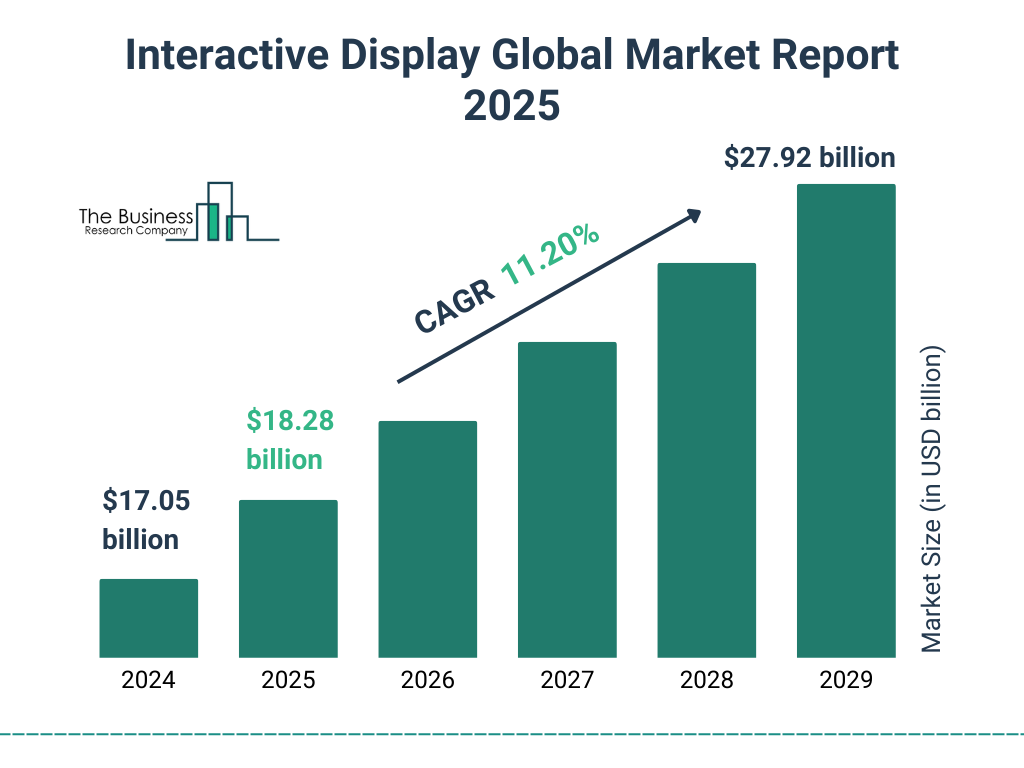
Market reports highlight a significant increase in consumer demand for more durable, high-performance touchscreens. Additionally, with new product launches and innovations in touch sensing technologies, manufacturers are expanding their product portfolios to meet growing demand across different verticals.
Technological innovations continue to redefine the capabilities of LCD touch modules. New breakthroughs in touch sensing and display technologies are enhancing performance and opening up new use cases.
Recent advancements in capacitive touch technologies, OLED displays, and multi-touch capabilities are expanding the potential applications of LCD touch modules. These technological innovations are making touchscreens more sensitive, durable, and capable of supporting more complex interactions.

A major advancement is the development of in-cell touch technologies, which integrate the touch sensor directly into the display. This reduces the thickness of devices, improving overall performance and aesthetic appeal. Additionally, the integration of artificial intelligence into touchscreens is allowing for more intuitive and intelligent interactions.
LCD touch modules are utilized across a wide range of industries, each benefiting from the increased interactivity and ease of use provided by touch interfaces.
These modules are now standard in applications such as smartphones, tablets, automotive dashboards, medical devices, and even industrial machinery. As technology advances, the scope of these applications continues to grow.

One of the most notable applications is in medical devices, where touchscreens allow for easy navigation and precise control. In the automotive sector, touch modules are now commonly used in infotainment systems and dashboards, providing drivers with a seamless, intuitive interface.
While the LCD touch module market is growing rapidly, it is not without its challenges. Manufacturers face issues related to cost, durability, and competition from alternative technologies.
The cost of production, especially for high-performance modules, remains a challenge. Additionally, the market is competitive, with new touch technologies such as flexible displays and projected capacitive touch gaining traction.
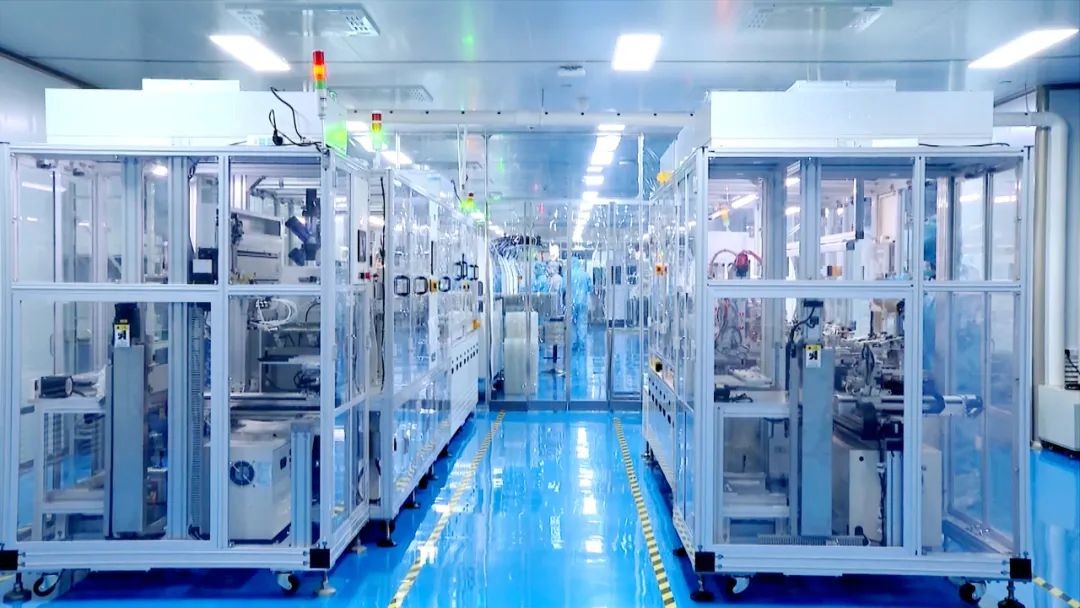
Manufacturers are constantly striving to reduce production costs while maintaining high-quality standards. At the same time, the increasing demand for thinner, more flexible displays is placing additional pressure on production capabilities.
Looking ahead, the LCD touch module market is poised for continued growth and transformation, driven by technological advancements and evolving consumer demands.
By 2030, LCD touch modules will likely play an even more prominent role in consumer electronics, automotive, and industrial applications. Innovations in touch sensing, display resolution, and energy efficiency will likely define the next phase of market growth.
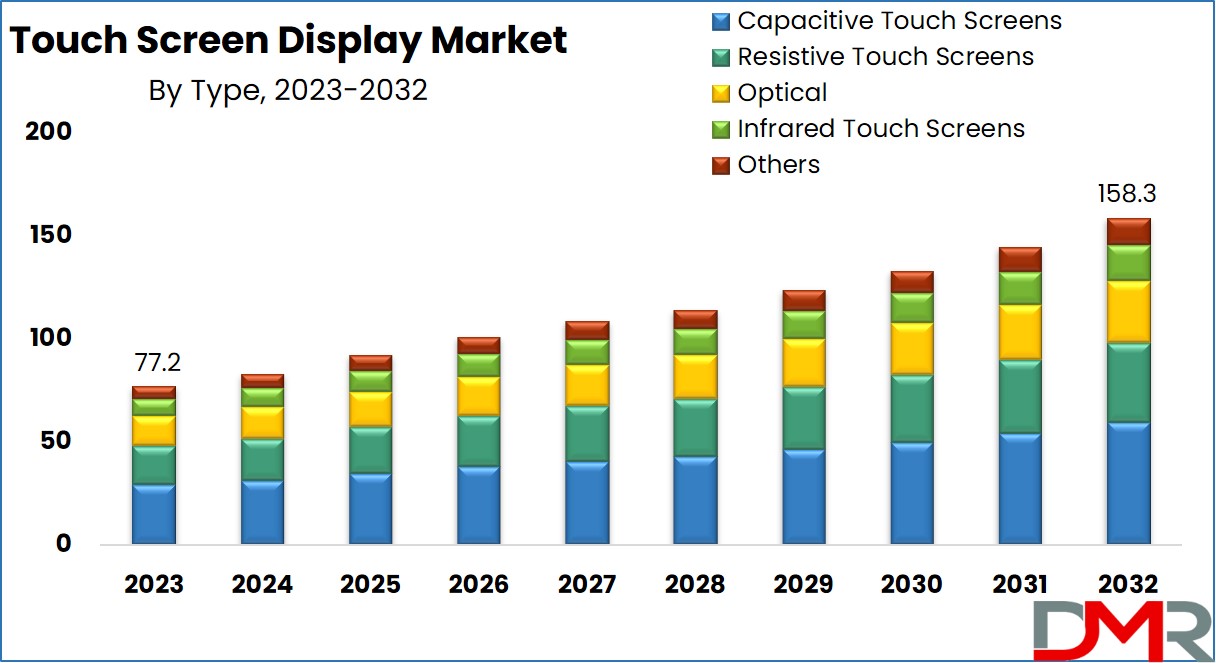
With increasing automation and smart technologies influencing every industry, the future of LCD touch modules will be closely tied to the broader trends of digitization and IoT (Internet of Things). Manufacturers will continue to innovate to meet these growing demands, ensuring that LCD touch modules remain at the forefront of interactive display technology.
Conclusion
The LCD touch module market is in a phase of accelerated growth, driven by technological advancements and increasing consumer and industry demands. By 2030, the market will likely witness a continuation of this upward trend, with new applications and technologies defining the landscape. As companies continue to innovate, the LCD touch module market will remain essential in shaping the future of interactive displays across a wide range of industries.
External Links Recommendation:

