
In my years of engineering experience, I’ve seen factories transform from manual operations to highly automated environments. At the heart of this transformation lies the touchscreen—now a standard tool in industrial Human-Machine Interfaces (HMIs). Touch displays have become essential for increasing productivity, safety, and process efficiency in manufacturing plants worldwide.
Streamlining Operations
Traditional mechanical switches and buttons are increasingly being replaced by touchscreen panels. These displays allow operators to access multiple controls from a single screen, simplifying workflows and reducing downtime. For example, in production lines, operators can monitor temperatures, machine status, and alarms instantly with a few taps.
Durability in Harsh Environments
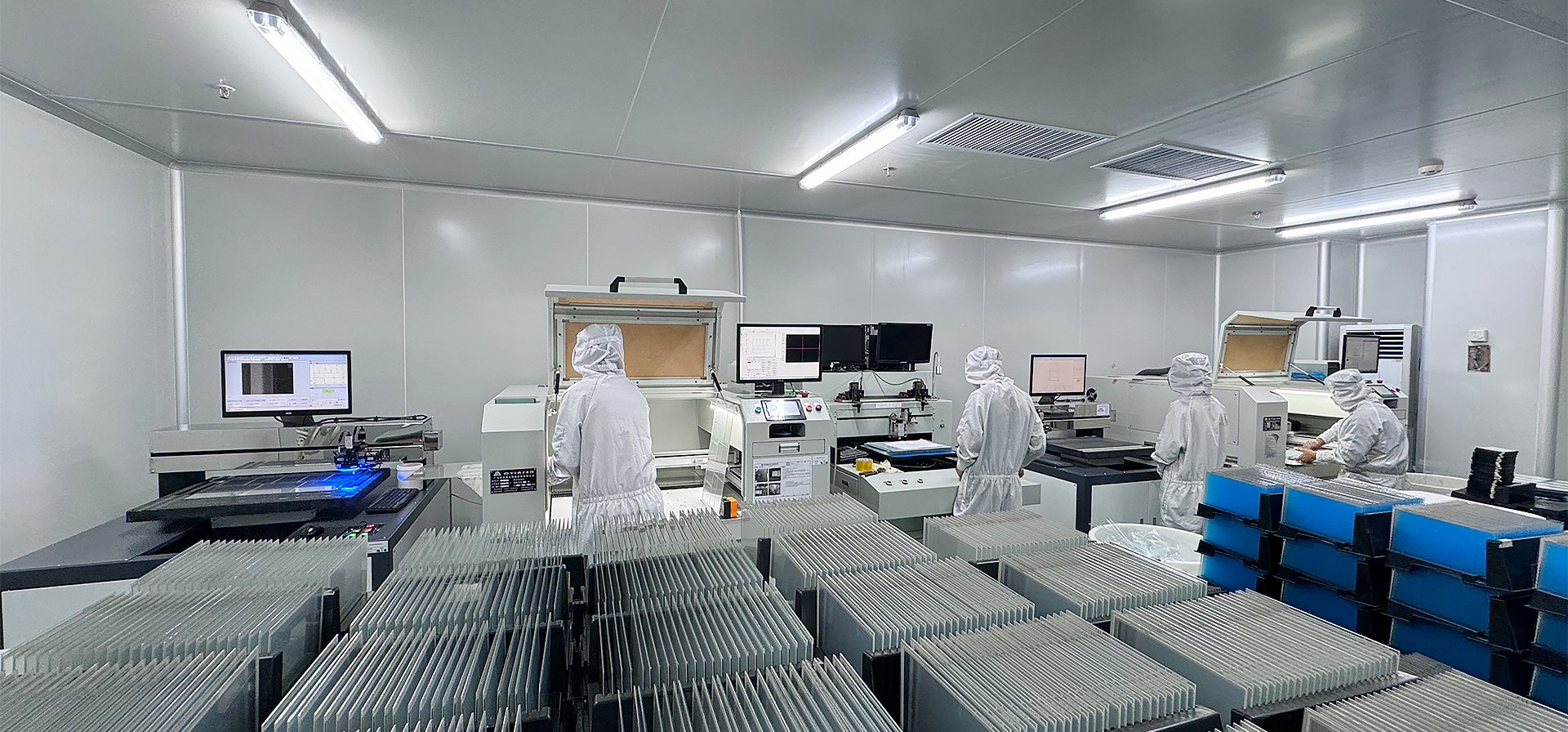
Industrial touchscreens are engineered to withstand extreme conditions such as high temperatures, dust, vibration, and even exposure to chemicals. Capacitive touchscreens with ruggedized glass are popular for their sensitivity, while resistive screens remain widely used in heavy industries where gloves are mandatory.
Enhancing Worker Safety
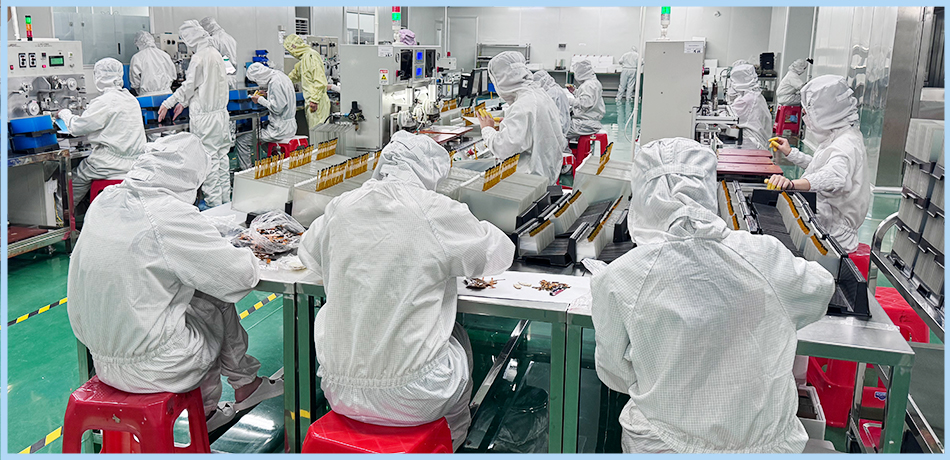
Touchscreens don’t just improve efficiency—they also improve safety. With clear, intuitive interfaces, workers are less likely to make errors when operating complex machinery. Emergency stop functions, visual alerts, and automated safety checks are now integrated directly into touchscreen HMIs, reducing accident risks on factory floors.
Boosting Productivity Through Automation
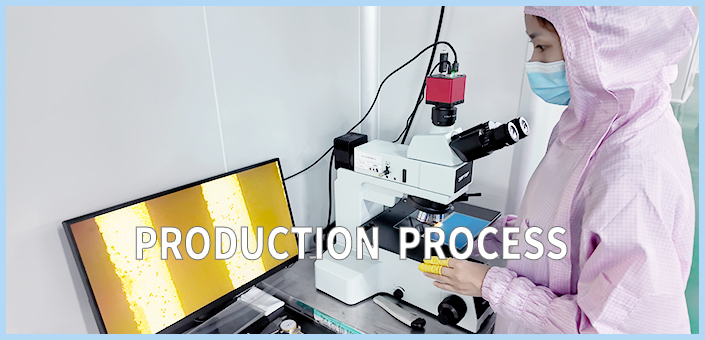
By integrating touchscreens with advanced software systems, industries can automate repetitive tasks and monitor production in real time. This not only reduces human error but also increases overall efficiency. Factories using touchscreen-driven HMIs have reported reduced downtime and better resource management.
The Road Ahead
As Industry 4.0 and smart factories evolve, touchscreens will become even more intelligent—integrating with IoT, AI, and predictive analytics. From predictive maintenance to real-time data visualization, touchscreens will remain the central interface connecting workers with machines.
