Understanding the production costs of touch screen LCDs is crucial for manufacturers aiming to optimize expenses and enhance profitability. These costs are primarily divided into raw materials and labor. By examining these components, we can identify areas for potential cost savings and efficiency improvements.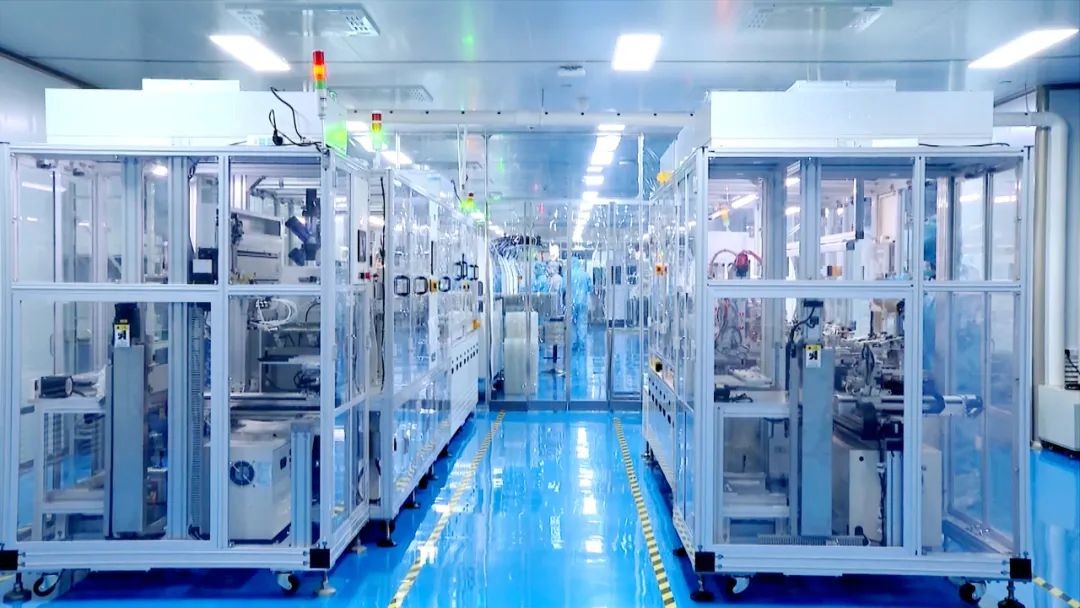

The production of touch screen LCDs involves several key raw materials that significantly influence the overall manufacturing cost.
Glass Substrate: Serves as the foundational layer for the LCD panel.
Indium Tin Oxide (ITO): A transparent conducting material applied to the glass substrate.
Liquid Crystals: The core component that modulates light to produce images.
Polarizing Films: Control the light's polarization to enhance display visibility.
Backlight Units: Provide the necessary illumination for the display.
Driver Integrated Circuits (ICs): Manage the electrical signals that control the display.
These materials collectively account for a substantial portion of the production expenses.
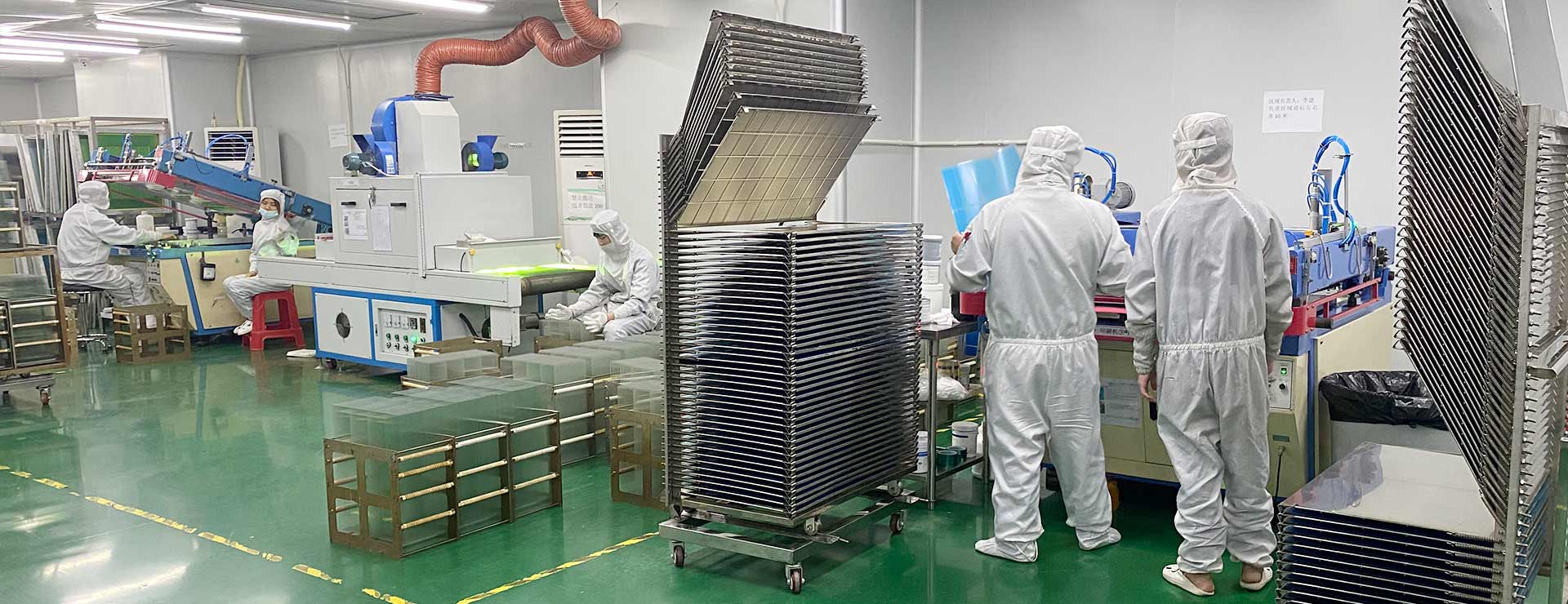
While labor costs are a component of manufacturing expenses, their impact varies across different production stages.
Automation: Advanced manufacturing facilities often utilize automation, reducing the reliance on manual labor.
Skilled Workforce: Certain stages, such as quality control and assembly, require skilled technicians, influencing labor costs.
Geographical Factors: Labor costs fluctuate depending on the manufacturing location and prevailing wage rates.
Understanding these factors helps in strategizing labor management to optimize costs.

Analyzing the cost distribution provides insights into areas where expenses are concentrated.
| Cost Component | Percentage of Total Cost |
|---|---|
| Raw Materials | 70% |
| Labor | 6% |
| Equipment Depreciation | 10% |
| Overheads | 14% |
This distribution highlights the dominance of raw material costs in the overall expenditure.
Manufacturers can adopt several strategies to mitigate production expenses effectively.
Supply Chain Optimization: Building strong relationships with suppliers can lead to better pricing and reliable material availability.
Process Innovation: Investing in research to develop more efficient manufacturing techniques can reduce waste and improve yield.
Vertical Integration: Controlling more stages of the supply chain, such as producing certain components in-house, can lead to cost savings.
Energy Efficiency: Implementing energy-saving measures reduces utility costs associated with production.
By focusing on these areas, manufacturers can enhance their competitiveness and profitability.
Understanding the detailed cost structure of touch screen LCD production enables manufacturers to identify key areas for cost optimization. Focusing on raw material management and efficient labor utilization can lead to significant improvements in production efficiency and overall profitability.
External Links Recommendation:

