In today's healthcare environment, the integration of touchscreens into medical devices has transformed patient care. These interfaces offer intuitive controls, streamline workflows, and enhance the accuracy of medical procedures. However, the effectiveness of these touchscreens heavily depends on their design, which must meet stringent medical standards and user requirements.
Designing touchscreens for medical applications requires attention to several critical factors:
Hygiene and Infection Control: Touchscreens must be easy to clean and disinfect to prevent the spread of infections. Features like antimicrobial coatings and waterproofing are essential.
Durability and Reliability: Medical environments demand devices that can withstand rigorous use. Touchscreens should be robust and maintain functionality over time.
User Interface (UI) Design: The UI should be intuitive, allowing healthcare professionals to operate devices efficiently, reducing the likelihood of errors.
Compliance with Medical Standards: Touchscreens must adhere to medical certifications and standards, such as IEC 60601, ensuring safety and effectiveness in clinical settings.

Selecting the appropriate touch technology is crucial for device performance:
Resistive Touchscreens: These are pressure-sensitive and can be operated with gloves, making them suitable for sterile environments. However, they may lack the sensitivity and multi-touch capabilities of other technologies.
Capacitive Touchscreens: Offering multi-touch capabilities and higher sensitivity, these screens provide a more responsive user experience but may require special considerations for glove use.

The size and resolution of a touchscreen impact its usability:
Display Size: Larger screens can display more information, reducing the need for navigation between screens, which is beneficial in critical care settings.
Resolution: High-resolution displays ensure clarity, allowing for precise readings and reducing the risk of misinterpretation.
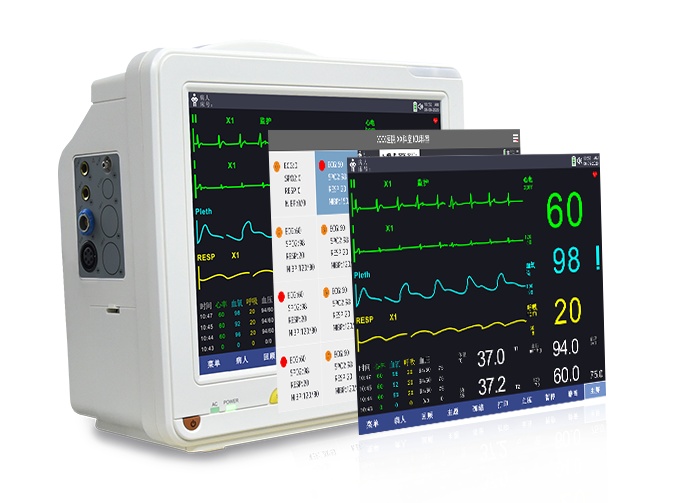
Adherence to medical standards ensures that touchscreens are safe and effective:
IEC 60601 Compliance: This standard specifies requirements for the safety and performance of medical electrical equipment, including touchscreens.
IP Ratings: Ingress Protection ratings indicate the level of protection against solids and liquids, which is crucial for maintaining hygiene and device longevity.
Effective medical touchscreen design is pivotal in enhancing patient care. By focusing on hygiene, durability, user interface design, appropriate touch technology, and compliance with medical standards, manufacturers can develop touchscreens that meet the demanding needs of healthcare environments.

