LCD touch screens are ubiquitous, but their true potential lies in how they enable accessible, sustainable, and inclusive technology solutions for the future.
LCD touch screens have revolutionized modern interactions, but there’s more to them than sleek designs and responsive interfaces. Their true power lies in their ability to democratize technology, creating solutions tailored to diverse user needs while addressing pressing sustainability challenges. This article explores how LCD touch screens transcend conventional roles to champion inclusivity and environmentally conscious innovation.
From empowering individuals with disabilities to bridging the digital divide in underserved areas, LCD touch screens have far-reaching implications beyond consumer gadgets. At the same time, advances in sustainable materials and energy-efficient designs position them as a cornerstone in the push for greener tech.
Rather than reiterating their technical features, let’s dive into how LCD touch screens are actively shaping a more inclusive and sustainable future.
How can LCD touch screens make technology more inclusive for individuals with disabilities?
Accessibility is a cornerstone of modern tech design. LCD touch screens, often criticized for being universal rather than specialized, are increasingly being adapted to serve the needs of individuals with physical, visual, or cognitive challenges.
Features like adjustable text size, haptic feedback, and compatibility with assistive devices transform LCD touch screens into powerful tools for inclusion. For example, they empower individuals with visual impairments by integrating tactile overlays and audio guides.

Technological advancements allow LCD screens to pair seamlessly with accessibility tools such as screen readers or stylus pens designed for limited mobility users. Furthermore, large-format displays with customizable interfaces are being deployed in public kiosks, ensuring equitable access for diverse user groups.
How do LCD touch screens bring technology to underserved regions and communities?
While LCD touch screens dominate urban consumer markets, their potential to transform lives in rural and underserved communities remains underexplored. When integrated into affordable devices, they act as gateways to education, healthcare, and commerce.
Consider an educational setup in a remote village where solar-powered LCD touchscreens enable students to access e-learning resources. These low-maintenance screens provide opportunities previously unavailable due to infrastructure challenges.

Projects that deploy rugged, solar-compatible LCD touchscreens in off-grid regions are paving the way for transformative applications. By enabling telemedicine, e-learning, and digital banking, these screens connect isolated communities to essential services, fostering economic and social inclusion.
What steps are being taken to make LCD touch screens environmentally sustainable?
With the rising focus on eco-consciousness, the LCD industry is rethinking production and disposal processes. From reducing toxic materials to designing energy-efficient displays, sustainability is becoming a key driver in touchscreen innovation.
Modern LCD touch screens are being manufactured using recyclable components and low-energy designs. Advances in flexible substrates, such as OLED-LCD hybrids, further reduce resource consumption while improving functionality.
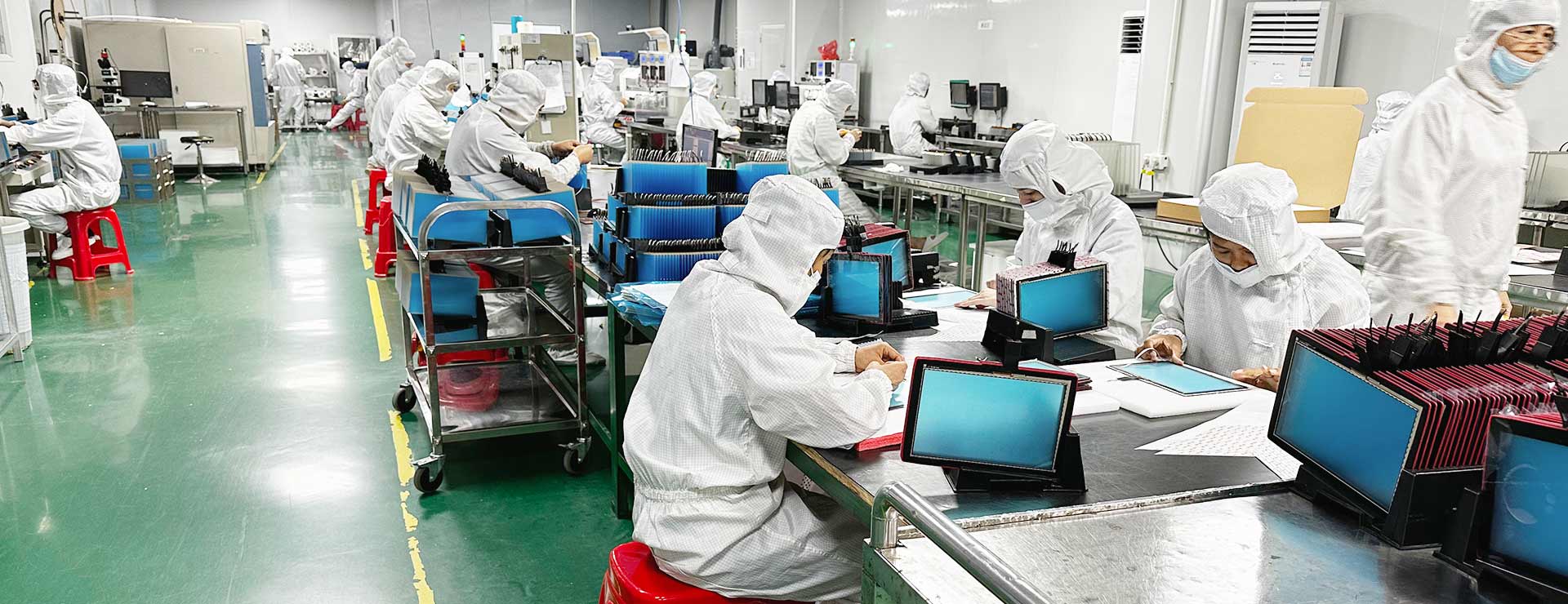
Key efforts in sustainability include reducing rare-earth materials, minimizing e-waste through modular designs, and extending device lifespans. Companies are also exploring biodegradable screen protectors and coatings, enhancing environmental compatibility.
How are LCD touch screens transforming niche industries like healthcare and logistics?
While most discussions around LCD touch screens center on consumer electronics, their applications in specialized industries are equally transformative. From precision monitoring in healthcare to efficiency enhancement in logistics, their role continues to expand.
In healthcare, LCD touch screens power advanced diagnostic tools, while in logistics, they streamline supply chain operations. These industries rely on the adaptability and precision of LCD screens to meet their specific demands.

Industrial-grade LCD touchscreens are designed for rugged use, with features like waterproofing, anti-glare coatings, and precision stylus compatibility. They also support real-time data input in logistics, enabling faster decision-making and improved operational efficiency.
LCD touch screens are more than just interfaces—they are tools of empowerment. By addressing accessibility challenges, bridging the digital divide, and championing sustainability, they open doors to opportunities across diverse demographics and industries. Their evolution promises not just smarter devices, but smarter societies.

