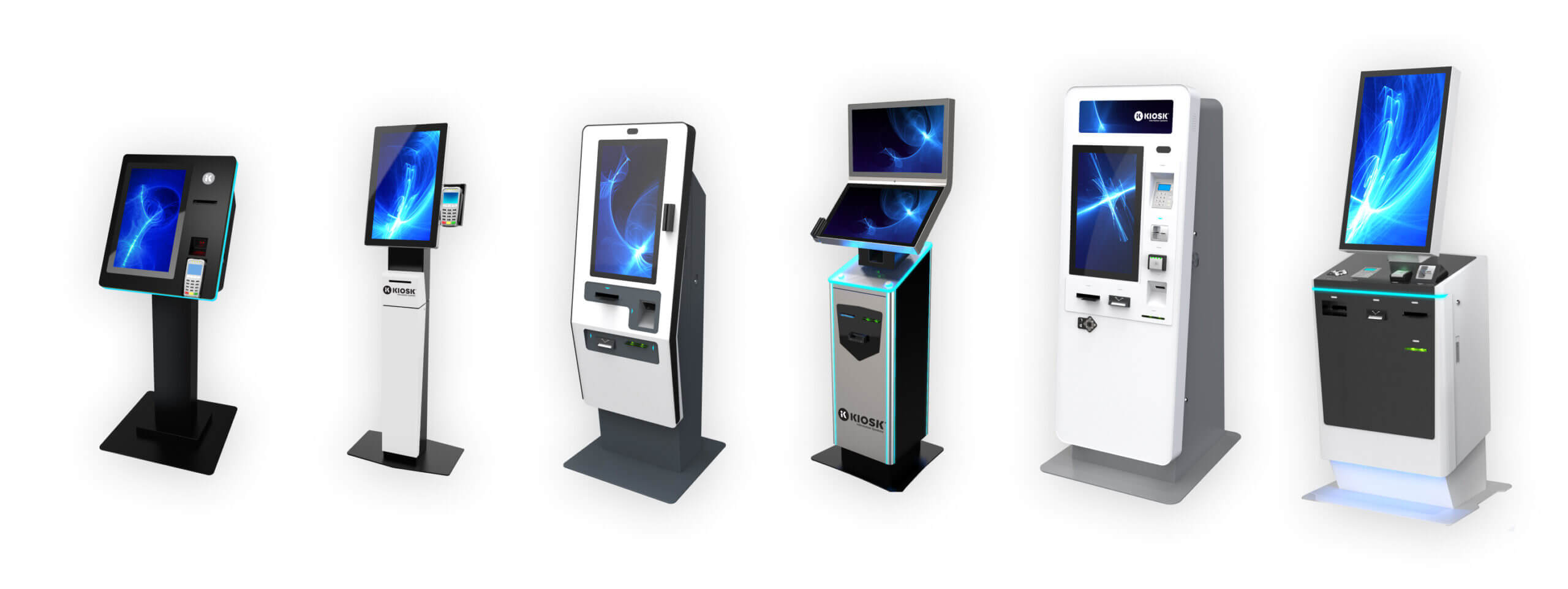
Integrated touch screen technology has become a cornerstone in modern device design, offering seamless interaction between users and machines. From smartphones and tablets to industrial control panels and smart home systems, the integration of touch screens has revolutionized the way we interact with technology. This article explores the advantages and diverse applications of integrated touch screen technology, highlighting its impact across various industries.

Integrated touch screens combine display and touch functionalities into a single unit, enhancing device efficiency and user experience. They are widely used in consumer electronics, industrial automation, automotive systems, and smart home devices, offering intuitive interfaces and streamlined designs.
As technology continues to advance, the role of integrated touch screens becomes increasingly significant. Their ability to provide intuitive, responsive, and space-saving solutions makes them indispensable in today's digital landscape.
Integrated touch screen technology offers numerous advantages, including improved user interaction, space efficiency, and versatility across various applications, making it a vital component in modern device design.
1. What Are the Key Benefits of Integrated Touch Screen Technology?
Integrated touch screen technology offers several benefits that enhance device functionality and user experience.
By combining display and touch functionalities, integrated touch screens reduce the need for separate components, leading to thinner and more efficient device designs.
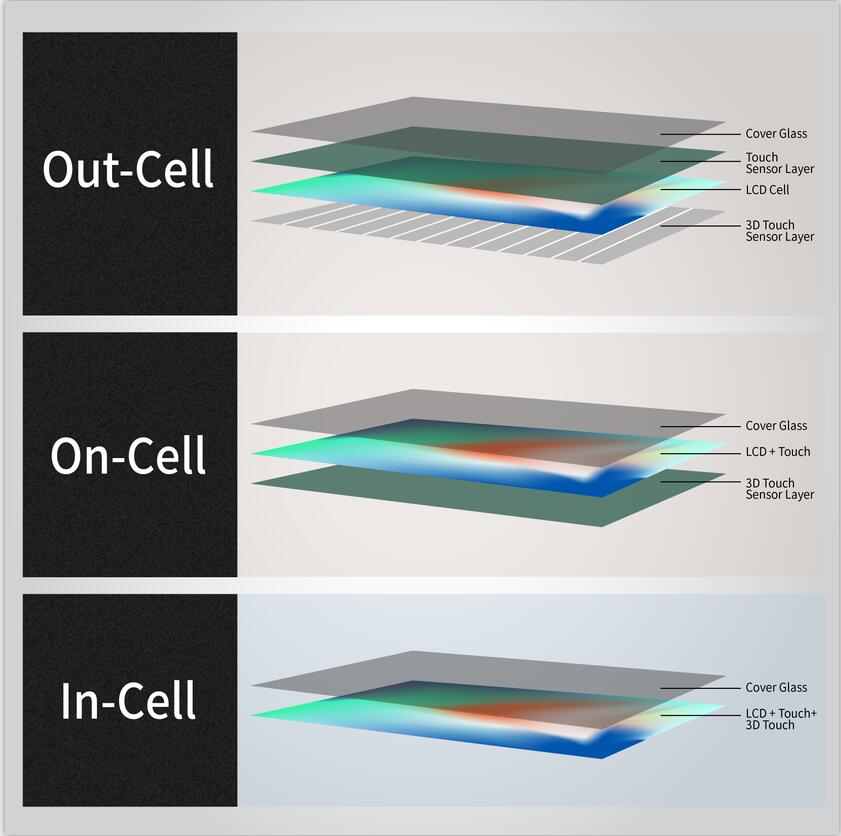
The integration of touch screens into devices simplifies the hardware architecture, reducing the number of components and potential points of failure. This consolidation leads to thinner devices, as there's no need for additional layers or connectors between the display and touch sensors. Moreover, integrated touch screens often result in lower power consumption, as the unified system can be optimized for energy efficiency. The seamless design also enhances the aesthetic appeal of devices, providing a sleek and modern look that consumers find attractive.
-
Integrated touch screens lead to thinner and more efficient device designs.
-
They reduce power consumption by optimizing the unified system.
-
The seamless design enhances the aesthetic appeal of devices.
2. How Is Integrated Touch Screen Technology Applied in Different Industries?
Integrated touch screen technology finds applications across various industries, each leveraging its benefits to enhance operations and user interaction.
From consumer electronics to industrial automation, integrated touch screens are pivotal in modernizing interfaces and improving efficiency.
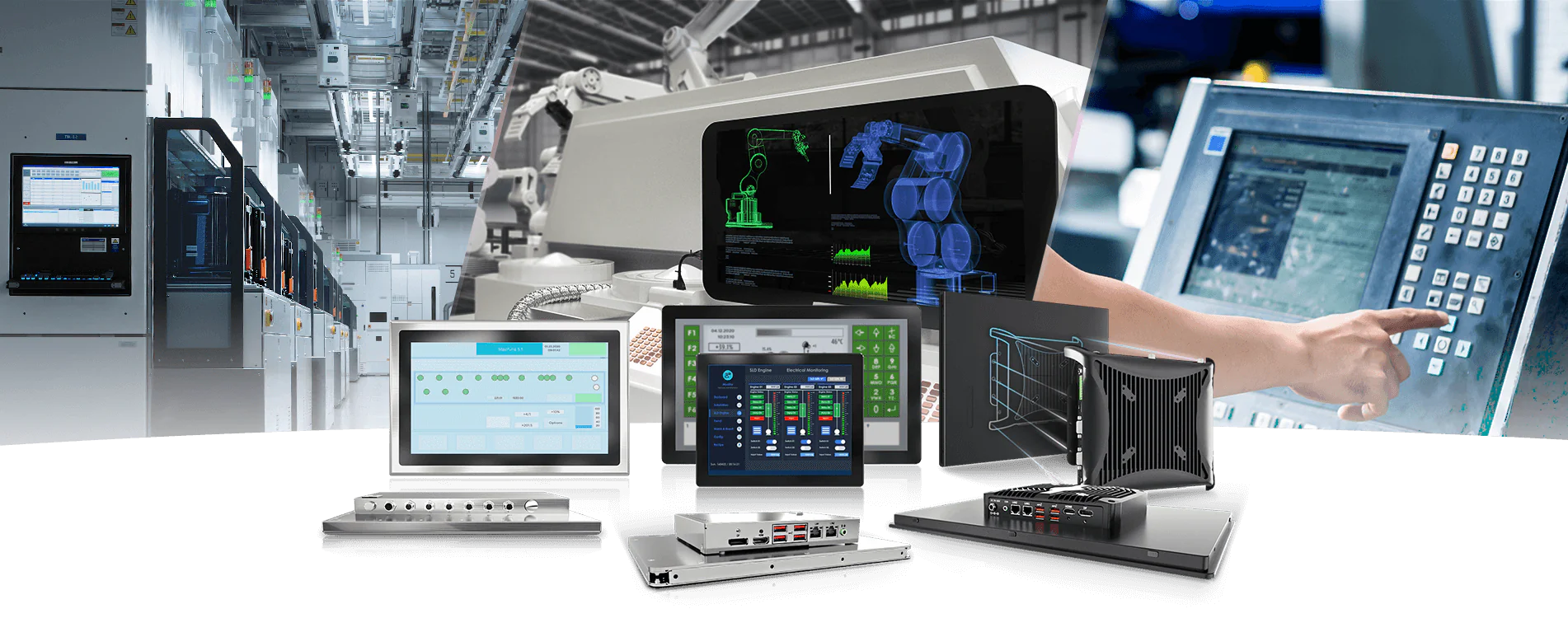
In consumer electronics, integrated touch screens are standard in smartphones, tablets, and laptops, providing intuitive user interfaces. In industrial settings, they are used in Human-Machine Interfaces (HMIs) to monitor and control machinery, offering real-time data visualization and interaction. The automotive industry incorporates integrated touch screens into infotainment systems and dashboards, enhancing driver control and safety. Smart home devices utilize these screens for centralized control of lighting, security, and climate systems, simplifying user interaction and automation.
-
Consumer electronics rely on integrated touch screens for intuitive user interfaces.
-
Industrial HMIs use them for real-time monitoring and control.
-
Automotive systems incorporate them to enhance driver interaction and safety.
-
Smart home devices utilize integrated touch screens for centralized control.
3. What Are the Challenges and Considerations in Implementing Integrated Touch Screens?
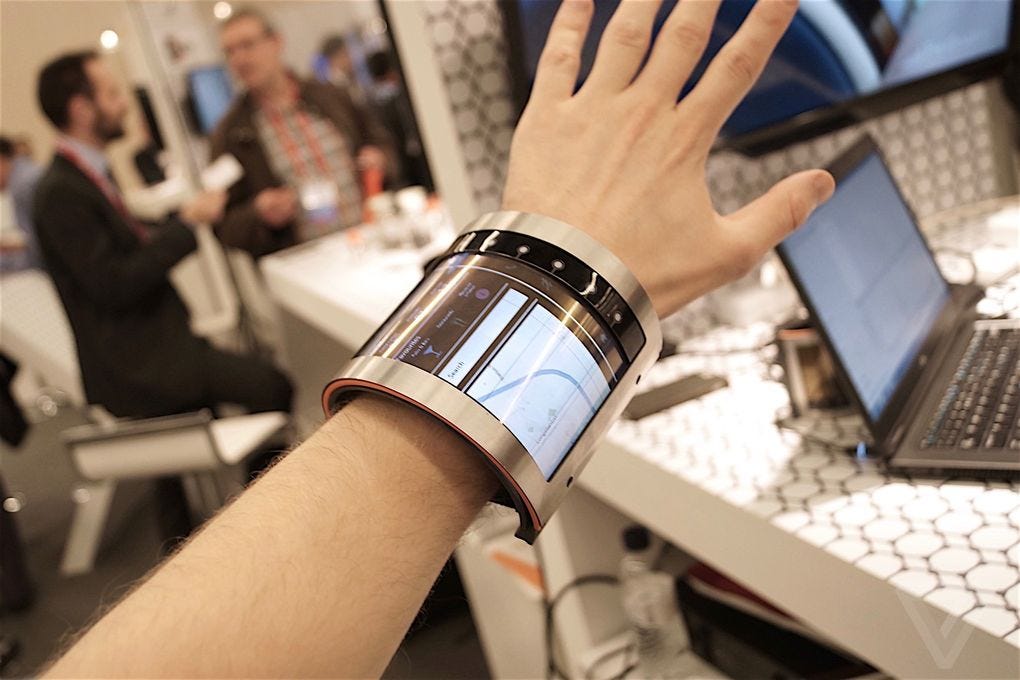
While integrated touch screens offer numerous benefits, their implementation comes with specific challenges that must be addressed.
Factors such as environmental conditions, user requirements, and technical limitations influence the successful integration of touch screens into devices.
Implementing integrated touch screens requires careful consideration of the operating environment. In industrial or outdoor settings, screens must withstand extreme temperatures, moisture, and potential physical impacts. Ensuring durability and responsiveness under these conditions is crucial. Additionally, user requirements such as glove compatibility or stylus input necessitate specific touch screen technologies. Technical limitations, including screen size constraints and power consumption, also play a role in the design and integration process. Addressing these challenges involves selecting appropriate materials, technologies, and design strategies to meet the intended application's demands.
-
Environmental conditions impact the performance and durability of integrated touch screens.
-
User requirements dictate the choice of touch screen technology.
-
Technical limitations must be considered during design and integration.